Audiobooks & AI: Paving a Greener Path in Publishing
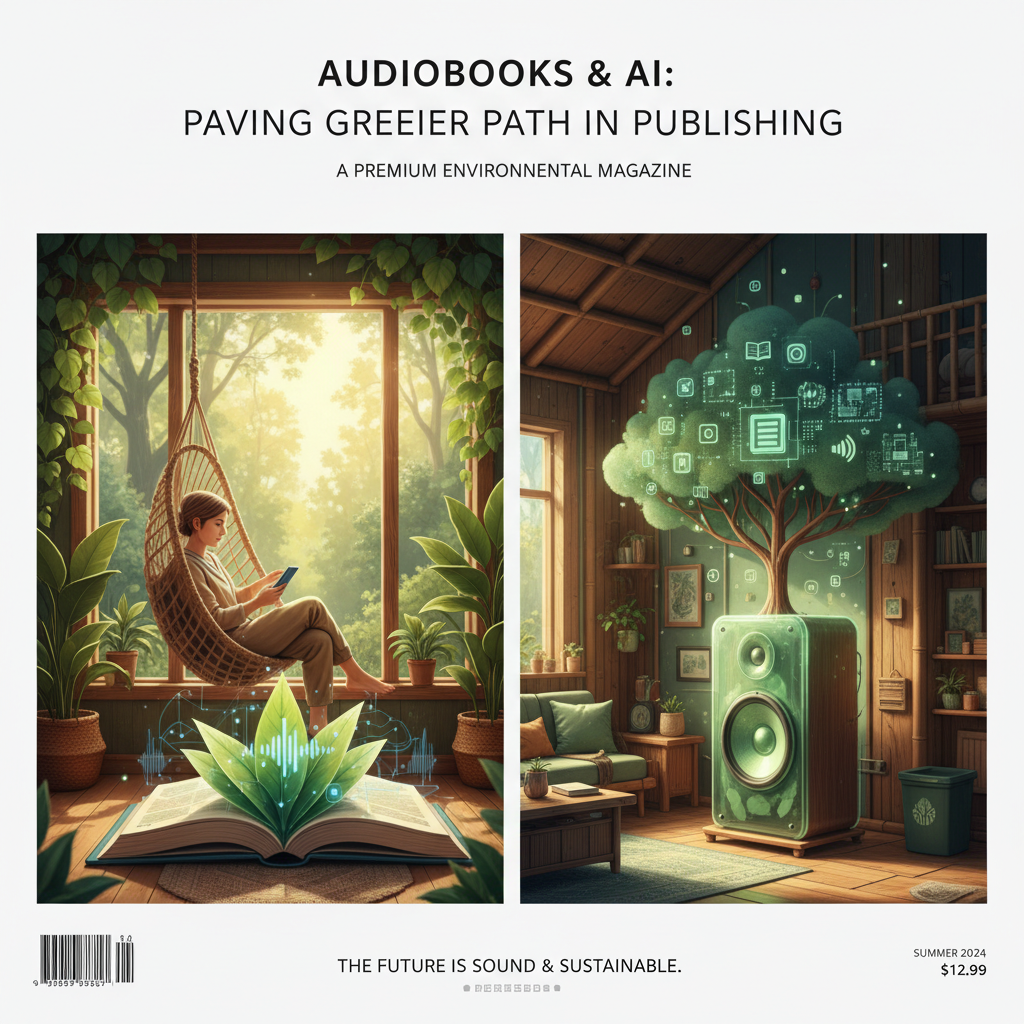
Key Takeaways
- The global audio market is rapidly growing, compelling publishers to adapt.
- Technology and AI are crucial for publishers to leverage this market expansion.
- This digital shift offers significant environmental benefits by reducing material consumption.
- AI enhances accessibility, allowing sustainable living information to reach wider audiences.
- Supporting audio and digital content helps drive the publishing industry towards a more sustainable future.
The world of publishing is undergoing a significant transformation, moving beyond traditional print to embrace the booming audio market, often powered by artificial intelligence. For those of us dedicated to sustainable living, this shift isn't just about convenience or market trends; it represents a powerful opportunity to reduce our environmental footprint and spread vital knowledge in more eco-conscious ways.
TL;DR: Key Facts
- The third annual Parix Audio Day in Madrid highlighted the immense growth of the global audio market.
- Publishers are strongly encouraged to leverage technology, marketing tools, and AI to capitalize on this expansion.
- The audio market offers publishers a new frontier for reaching audiences worldwide.
- Artificial Intelligence (AI) is presented as a crucial tool for innovation and efficiency within this evolving sector.
What Happened
During the third annual Parix Audio Day held in Madrid, industry leaders convened to discuss the burgeoning potential of the global audio market. The overarching message was clear: publishers must strategically adapt and innovate to seize the opportunities presented by this rapidly expanding sector.
Discussions centered on how technology, shrewd marketing strategies, and particularly the integration of Artificial Intelligence (AI) can empower publishers. These tools are being positioned not just as competitive advantages, but as essential mechanisms for broadening reach, enhancing production, and engaging with a worldwide audience increasingly turning to audio content for information and entertainment.
Why It Matters
For readers of GreenNest Living, the rise of the audio market, especially when coupled with AI, holds profound implications for sustainable living. At its core, this digital shift presents a significant opportunity to reduce the environmental impact associated with traditional print media. Imagine the resources saved when a book exists primarily as a digital audio file rather than a physical object: no trees harvested for paper, no energy-intensive printing processes, no ink, and no carbon emissions from transporting heavy books across continents. This direct reduction in material consumption and supply chain impact is a tangible win for our planet.
Beyond the obvious environmental benefits, the integration of AI in audio publishing fosters greater accessibility and efficiency, which are indirect but powerful drivers of sustainability. AI can facilitate rapid translation, offer diverse narration options (including text-to-speech for niche content), and optimize distribution. This means vital information, including crucial insights on climate change, conservation, and sustainable practices, can reach a wider, more diverse audience faster and more effectively. The more people who can easily access and absorb knowledge about living sustainably, the greater our collective capacity to make informed, eco-conscious decisions. This democratization of knowledge is a cornerstone of a truly sustainable society.
Furthermore, while digital consumption does have its own energy footprint, it is often significantly lower than the lifecycle impact of physical goods, particularly if data centers and user devices are powered by renewable energy sources. This evolution encourages a mindset of dematerialization – valuing content and information over physical objects. It pushes the publishing industry, an industry historically rooted in physical production, towards a leaner, more agile, and ultimately, a more environmentally responsible future. By supporting this transition, we are not just embracing convenience; we are actively participating in a cultural shift towards more sustainable consumption patterns.
What You Can Do
As conscious consumers and advocates for sustainable living, your choices can significantly influence this evolving landscape. Here's how you can play an active role:
- Embrace Audiobooks and Digital Content: Prioritize audiobooks over physical books when seeking new reads. This directly reduces demand for paper, ink, and the energy associated with manufacturing and transporting physical copies. Explore e-books as well for a comprehensive digital approach.
- Support Publishers Innovating Sustainably: Seek out and support publishers who are transparent about their environmental practices, particularly those investing in digital-first strategies, AI for accessibility, and renewable energy for their digital infrastructure. Your purchasing power is a vote for greener practices.
- Discover Eco-Focused Audio Content: Actively seek out podcasts, audiobooks, and audio articles that delve into environmental issues, sustainable living tips, and green innovations. The more demand for such content, the more publishers will invest in creating it, amplifying important messages.
- Advocate for Digital Expansion: Encourage your local libraries, schools, and community centers to expand their audiobook and digital content offerings. Access to diverse digital resources makes sustainable choices easier for everyone.
- Optimize Your Digital Consumption: While audiobooks are greener than print, digital consumption still uses energy. Practice mindful use by downloading content on Wi-Fi instead of cellular data, listening offline to save energy, and ensuring your devices are charged efficiently, ideally with renewable energy sources.
- Share Your Sustainable Reads: Talk about the eco-conscious audiobooks and podcasts you enjoy with friends and family. Personal recommendations are powerful in encouraging others to explore sustainable content and consumption habits.
FAQs
Q: Are audiobooks truly more sustainable than physical books?
A: In most cases, yes. Audiobooks eliminate the need for paper, ink, and the significant energy expenditure involved in printing, binding, and physically transporting books. While digital consumption has an energy footprint, it's generally much lower than the full lifecycle impact of a physical product.
Q: How is AI being utilized in the audio publishing industry?
A: AI is being used in various ways, from enhancing accessibility through automated narration and translation to optimizing content distribution and personalizing listener experiences. It can also help publishers analyze market trends and streamline production processes, making them more efficient.
Q: What can I do to encourage more sustainable practices in the publishing world?
A: Your primary action is to choose digital and audio formats over physical books when possible. Additionally, support publishers known for their green initiatives, advocate for greater digital access in your community, and engage with content that promotes environmental awareness and sustainable living.
Sources
This article is based on reporting by Publishing Perspectives.
Original source
Publishing Perspectives
Author, Digital Entrepreneur & AI Creator
More from Sustainable Living
- UK Women's Prize Highlights Literature's Crucial Role in a Greener Future — May 14, 2026
- Unearthing Wisdom: Islamic Philosophy's Green Insights — May 13, 2026
- Literature's Mirror: UK Prize Reflects on Sustainable Living — May 12, 2026
- Prague Fair Uncovers Regional Keys to a Greener Literary Future — May 11, 2026
- Comics & Graphic Novels: Driving Sustainable Stories in Eastern Europe — May 10, 2026