Beyond the Veggie Patch: Integrating Edibles Into Beautiful Landscapes
Key Takeaways
- Edible landscaping blends food production with garden beauty.
- Harry Holding's Chelsea Flower Show garden highlights this innovative approach.
- It moves beyond traditional veggie patches for seamless integration.
- Benefits include enhanced food security, reduced carbon footprint, and increased biodiversity.
- Homeowners can start small, choose dual-purpose plants, and utilize vertical spaces to grow their own.
OPENING PARAGRAPH
The desire for sustainable living often collides with the dream of a beautiful garden. But what if your ornamental landscape could also provide fresh, organic food? This innovative concept, championed by leading garden designers, is redefining how we view our outdoor spaces, proving that beauty and bounty can coexist harmoniously.
TL;DR: Key Facts
- Award-winning British designer Harry Holding champions edible landscaping.
- His "Bring Me Sunshine" garden at Chelsea Flower Show integrates fruits, vegetables, and herbs seamlessly.
- The approach moves beyond traditional, separated vegetable patches, blending edibles into ornamental designs.
- It combines aesthetic appeal with practical food production and ecological benefits.
- Integrating edibles boosts sustainability, biodiversity, and home food supply, reducing reliance on industrial food systems.
What Happened
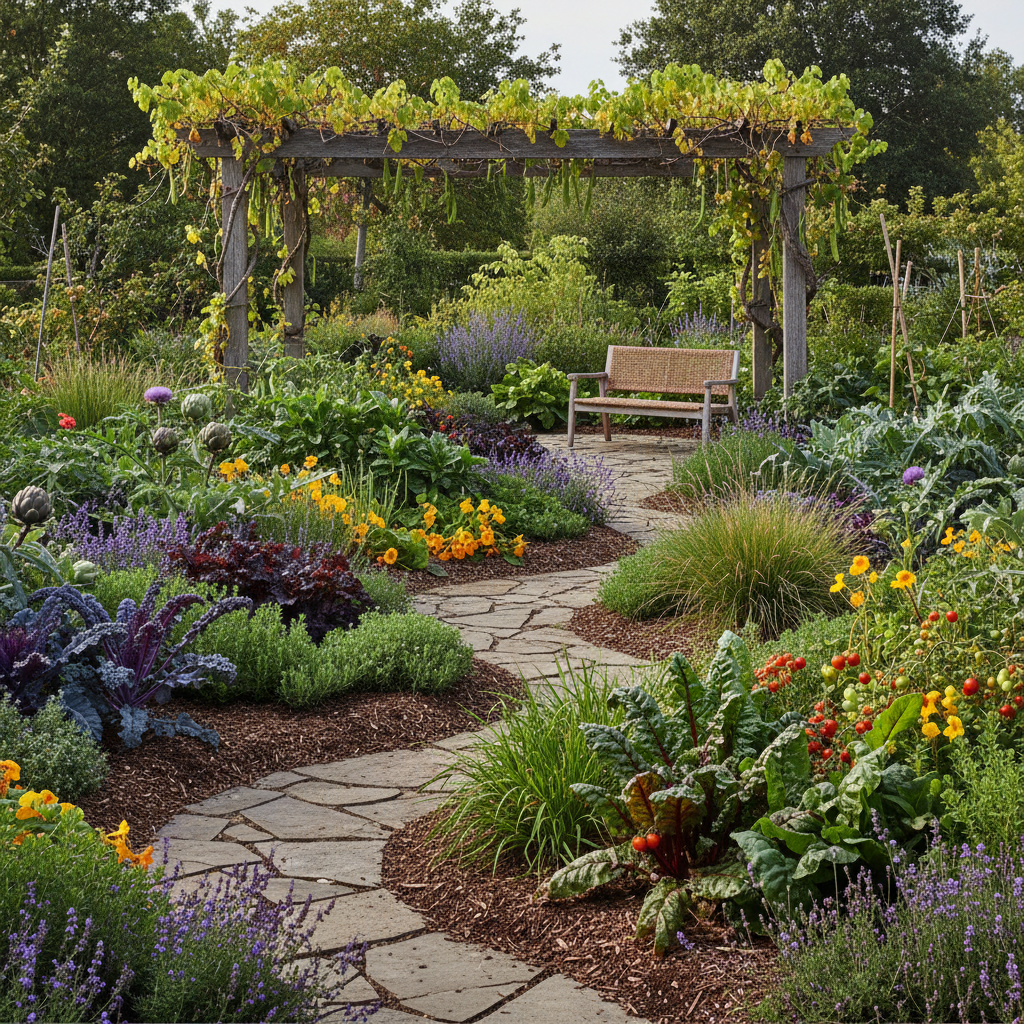
British garden designer Harry Holding, already celebrated for his 2023 People's Choice award-winning School Food Matters Garden, has once again captured attention at the prestigious Chelsea Flower Show. His latest creation, "Bring Me Sunshine," developed in collaboration with Square Food Foundation, powerfully showcases the innovative integration of fruits, vegetables, and herbs directly into ornamental landscapes. This design philosophy directly challenges the traditional segregation of food-producing gardens from aesthetic ones, instead advocating for a harmonious and cohesive blend that prioritizes both beauty and utility.
Holding's vision demonstrates that a garden can be both a feast for the eyes and a reliable source of sustenance. By thoughtfully incorporating edibles like chards with vibrant stems, espaliered fruit trees as vertical accents, or trailing strawberries as groundcover, he illustrates a practical and beautiful way for homeowners to grow their own food. This approach moves significantly beyond the conventional, often utilitarian "veggie patch" to create a truly integrated, productive, and visually stunning outdoor environment that doesn't compromise on sophisticated garden design. It’s about making every plant pull its weight, contributing to the overall aesthetic while also filling the kitchen with fresh produce.
Why It Matters
In an era where sustainable living is not merely a trend but a critical imperative, integrating edible plants into our everyday landscapes offers profound and multifaceted benefits for both the environment and our personal well-being. This conscious shift from purely ornamental gardens to productive, integrated spaces directly addresses pressing global concerns like food security, the reduction of our collective carbon footprint, and the conservation of precious resources. By growing even a portion of our food at home, we significantly lessen reliance on industrial agriculture's often resource-intensive practices, minimize the long-distance transportation emissions associated with produce, and drastically reduce the plastic and packaging waste that clogs our landfills.
Furthermore, these thoughtfully designed integrated gardens foster greater ecological resilience and biodiversity. Many edible plants, particularly those that flower, act as magnets for crucial pollinators like native bees, butterflies, and other beneficial insects, which are vital for a healthy ecosystem. This approach also encourages a deeper, more meaningful connection with nature and a clearer understanding of our food sources, offering a tangible sense of accomplishment and the unparalleled satisfaction of harvesting fresh, nutrient-rich produce directly from our backyards. It's about maximizing the utility and inherent beauty of every square inch of our outdoor spaces, transforming gardening into a powerful act of sustainability, self-sufficiency, and a beautifully woven lifestyle choice.
What You Can Do
- Start Small: Begin with a few easy-to-grow herbs (basil, mint, rosemary) or small fruits (strawberries, blueberries) within your existing flowerbeds or containers.
- Choose Dual-Purpose Plants: Select edibles that also offer significant ornamental value, such as scarlet runner beans (beautiful flowers), Swiss chard (colorful stems), artichokes (striking foliage), or even nasturtiums (edible flowers and leaves).
- Think Beyond the Patch: Don't relegate edibles to a hidden corner. Use them as borders, groundcovers, vertical elements, or even as decorative container plants on your patio or balcony.
- Consider Vertical Gardening: Utilize trellises, arbors, or vertical planters for climbing plants like cucumbers, pole beans, or certain tomato varieties to save space and add dynamic visual interest.
- Integrate Companion Planting: Pair edibles with flowers that naturally deter pests or attract beneficial insects, creating a healthier, more balanced ecosystem and reducing the need for chemical interventions.
- Plan for Succession: Strategically plant crops that mature at different times throughout the season to ensure a continuous harvest and maintain consistent visual interest in your integrated landscape.
Ciro's Take
As an environmental advocate, the rise of the integrated edible garden fills me with immense hope and excitement. For too long, our gardens have often been purely aesthetic endeavors, missing a vital opportunity to contribute to local food systems and ecological health. Harry Holding's work, and the broader movement it represents, is a beautiful re-imagining of what a home landscape can be – a place of beauty, sustenance, and vibrant biodiversity. It’s a tangible way for each of us to reclaim a piece of our food sovereignty, reduce our ecological footprint, and experience the unparalleled joy of harvesting food you've grown yourself. This isn't just a trend; it's a fundamental shift towards a more resilient, delicious, and deeply connected way of living with the land.
FAQs
Q: Can I integrate edible plants even if I have limited space?
A: Absolutely! Many edible plants thrive in containers, window boxes, or vertical gardens, making them perfect for small patios, balconies, or even sunny indoor spots. Choose compact, bush, or dwarf varieties specifically bred for smaller spaces.
Q: Do integrated edible gardens require more maintenance than traditional ornamental gardens?
A: Not necessarily more, but perhaps different types of attention. Edibles often require consistent watering and nutrient feeding, especially when fruiting, and may need more frequent harvesting. However, by selecting appropriate plants for your climate and practicing companion planting, you can create a relatively low-maintenance, highly productive system.
Q: What are some beginner-friendly edible plants that look good in a mixed border?
A: Consider leafy greens like vibrant red-leaf lettuce, rainbow chard, or purple kale. Herbs such as parsley, basil, and thyme also blend beautifully. For flowering edibles, nasturtiums offer peppery leaves and blossoms, while bush beans, compact tomato varieties, and even ornamental peppers can add both color and yield.
Sources
This article is based on reporting by Gardenista.
Original source
Gardenista
Author, Digital Entrepreneur & AI Creator
More from Garden & Plants
- Ecological Gardening: Finding Joy & Sustainability — May 29, 2026
- Suburban Sanctuary: Embracing Wild Beauty at Home — May 28, 2026
- Sustainable Savings: Mindful May Deals for Your Green Home — May 27, 2026
- Cultivate Calm: Finding Peace Through Garden Therapy — May 26, 2026