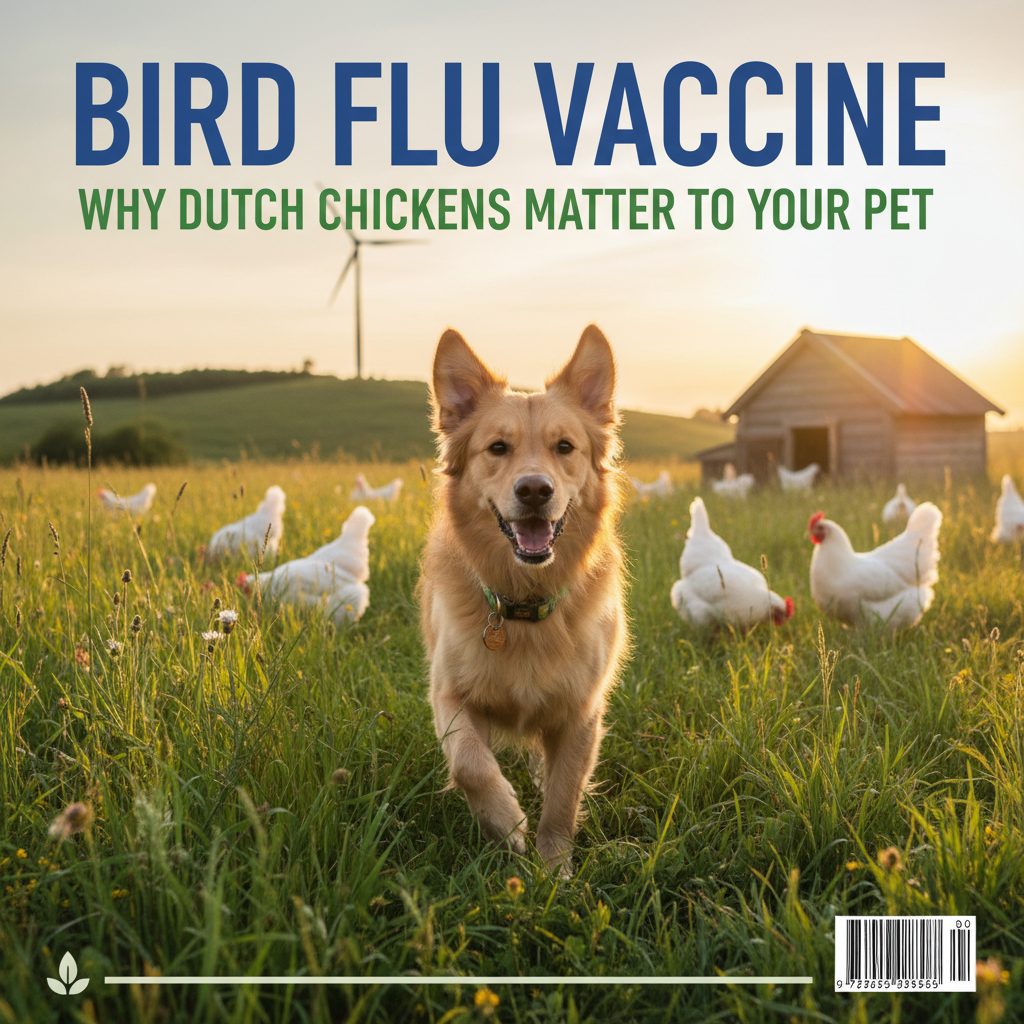
Bird Flu Vaccine: Why Dutch Chickens Matter to Your Pet
Key Takeaways
- Netherlands to vaccinate millions of chickens against bird flu (H5N1).
- This proactive measure aims to prevent outbreaks and stabilize egg supply.
- It signifies a shift in global animal health management towards prevention.
- The initiative has indirect implications for pet food ingredients and costs.
- Underlines the interconnectedness of animal welfare across different species.
A groundbreaking decision by the Netherlands, one of the world's largest egg exporters, to vaccinate millions of chickens against bird flu is not just about poultry farms; it signals a significant shift in animal health management that could ripple through the pet care industry. For GreenNest Living readers, understanding this move highlights the interconnectedness of global animal welfare, sustainable food systems, and even the ingredients in your beloved pet's bowl.
This proactive step, set to protect vast poultry populations, underscores a growing commitment to preventing disease at its source, a principle that resonates deeply with responsible pet ownership and the broader ethic of compassionate living.
TL;DR: Key Facts
- The Netherlands, a major global egg exporter, plans to vaccinate millions of chickens against avian influenza (bird flu).
- This marks a significant proactive shift in managing H5N1 bird flu, aiming to prevent outbreaks rather than just react to them.
- The initiative seeks to protect poultry populations, ensure food supply stability, and reduce economic losses.
- It signals a broader trend towards preventative health strategies in large-scale animal agriculture.
- The decision has implications for global animal welfare standards and supply chains, including those that feed into pet products.
What Happened
The Dutch government has announced its intention to begin vaccinating millions of chickens against the highly pathogenic H5N1 strain of avian influenza, commonly known as bird flu. As one of the world's leading egg exporters, this move is a substantial step in protecting its vast poultry industry from devastating outbreaks that have plagued farms globally in recent years. Historically, the primary response to bird flu outbreaks has been culling infected flocks, leading to immense animal suffering and significant economic losses.
This new strategy of preventative vaccination represents a departure from traditional reactive measures. The goal is to create a protective shield around the poultry population, minimizing the spread of the virus and safeguarding both animal lives and the continuity of the food supply chain. While the specifics of the vaccine rollout are still being finalized, the commitment from a nation of this scale signals a potential paradigm shift in how countries manage large-scale animal health threats.
Why It Matters
For GreenNest Living readers, this news might seem distant from the everyday care of your companion animals, but its implications for PetCare are profound and multifaceted. Firstly, it touches upon the core ethos of animal welfare that underpins responsible pet ownership. The proactive vaccination of commercial poultry reflects a growing understanding that all animal life, regardless of its role in human consumption, deserves protection from disease and suffering.
Secondly, the poultry industry is an integral part of the global food chain, and this extends directly to many pet food formulations. Eggs, chicken meal, and various poultry by-products are common, nutritious ingredients in both wet and dry pet foods. Bird flu outbreaks can disrupt these supply chains, leading to ingredient shortages, increased costs, and potential changes in pet food formulations. A stable, disease-resistant poultry supply, facilitated by vaccination, helps ensure consistent access to high-quality ingredients for your pets.
Finally, this Dutch initiative highlights the importance of preventative health and biosecurity on a grand scale – principles equally vital for individual pet owners. By observing a nation taking aggressive steps to manage a widespread animal disease, we are reminded of our own roles in protecting our pets from preventable illnesses through vaccination, proper hygiene, and awareness of zoonotic threats. It’s a compelling example of how global animal health initiatives contribute to a healthier, more sustainable world for all creatures, great and small.
What You Can Do
- Research Pet Food Sources: Inquire about the origin and ethical sourcing of poultry and egg ingredients in your pet's food. Support brands committed to sustainable and humane practices.
- Stay Informed on Zoonotic Diseases: Understand how diseases can cross species barriers. While direct transmission of bird flu to pets is rare, general awareness helps ensure a safer environment for your household.
- Practice Excellent Hygiene: Always wash your hands after handling raw pet food, especially if it contains poultry. Keep your pet's eating areas clean to prevent bacterial or viral spread.
- Support Proactive Animal Health: Advocate for policies that promote preventative care and ethical treatment for all animals, from farm animals to wildlife.
- Maintain Your Pet's Vaccinations: Ensure your own pets are up-to-date on their recommended vaccinations, understanding that prevention is key to their health and well-being.
- Consider Diversifying Pet Diets: Explore diverse and balanced diet options for your pets, reducing reliance on a single protein source and supporting a broader sustainable food system.
Ciro's Take
As an environmental advocate and a lifelong companion to animals, the Netherlands' decision to vaccinate its chickens against bird flu resonates deeply with me. It’s a powerful illustration of our interconnected world, where the health of one animal population, even commercial poultry, can have a ripple effect on our pets and the broader ecosystem. This isn't just about preventing economic loss; it’s about a more compassionate, proactive approach to animal welfare. For too long, the default has been reaction and culling. Moving towards prevention is a step forward for ethical food systems and a reminder that our responsibility to 'PetCare' extends beyond our own backyards to encompass the well-being of all creatures we impact, directly or indirectly.
FAQs
Q: How does bird flu typically affect domestic pets, if at all?
A: Direct transmission of highly pathogenic avian influenza (HPAI) like H5N1 to common domestic pets such as dogs and cats is rare, but not impossible. Cases have been reported, though typically these pets had close contact with infected birds or contaminated environments. Symptoms in affected pets can vary but may include respiratory issues, lethargy, and neurological signs. It's crucial to prevent pets from interacting with wild birds, especially those that appear sick or deceased, and to consult a vet if you notice unusual symptoms after potential exposure.
Q: Is pet food containing chicken or eggs safe given the bird flu threat?
A: Yes, commercially prepared pet foods containing poultry or eggs are generally considered safe. The processing methods used in pet food manufacturing, such as cooking and high-temperature treatments, are effective at inactivating viruses, including avian influenza. Reputable pet food manufacturers adhere to strict safety standards to ensure their products are free from harmful pathogens. The primary concern related to bird flu and pet food is usually about potential supply chain disruptions or cost increases, rather than direct contamination risks in finished products.
Q: Should I be concerned about bringing eggs or chicken purchased from a grocery store into my home if I have pets?
A: When handled properly, commercially purchased eggs and poultry from grocery stores pose a negligible risk to your pets from bird flu. The virus is primarily a concern for live birds. Always practice good kitchen hygiene: wash your hands, clean surfaces that come into contact with raw meat, and cook poultry and eggs thoroughly. This prevents the spread of bacteria like Salmonella, which is a more common concern, and also eliminates any potential viral contamination, though the risk for bird flu from retail products is extremely low.
Sources
This article is based on reporting by The Animal Reader.
Original source
The Animal Reader
Author, Digital Entrepreneur & AI Creator
More from PetCare
- Dog Rectal Bleeding: Understanding Causes & When to Act — June 4, 2026
- Protecting Pups: Why Your Dog Needs Sunscreen This Summer — June 3, 2026
- Ancient Fungi, Modern Pets: Sustainable Turkey Tail for Canine Health — June 2, 2026
- Timmy the Humpback: A Story of Individual Wildlife Care — June 1, 2026