Brazil's Digital Books: Sustainable Learning for All
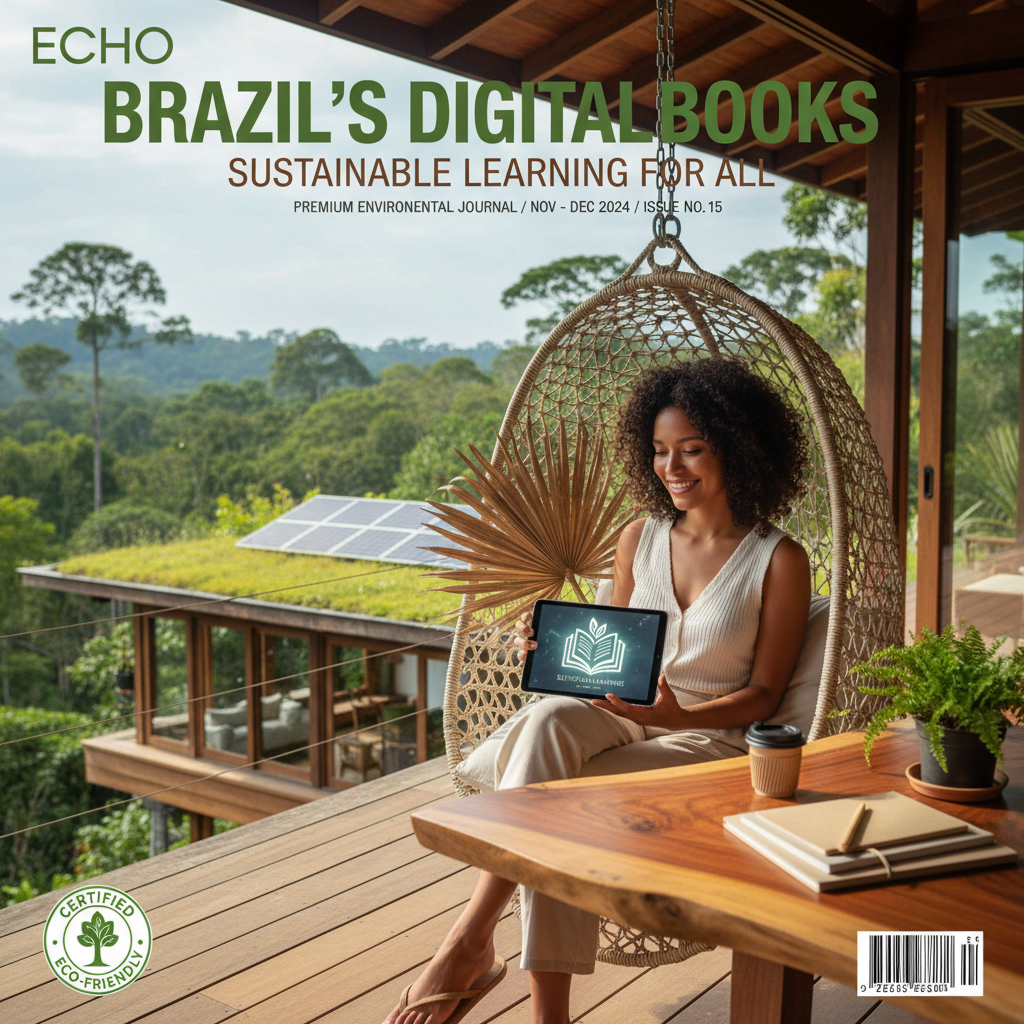
Key Takeaways
- Brazil's Ministry of Education launched a new initiative for free digital reading platforms.
- The platform offers 8,000 titles via a library-style model to expand access to books.
- It recorded over 122,000 loans in its first week, showing strong public demand.
- The initiative promotes digital literacy and reduces reliance on physical book production.
- This move supports both social equity and environmental sustainability by democratizing knowledge.
In an era where sustainability often hinges on our collective access to information and education, Brazil is setting a powerful example. A groundbreaking new initiative from the Ministry of Education is leveraging digital technology to democratize reading, promising not only a more informed populace but also a significantly reduced environmental footprint for literature.
TL;DR: Key Facts
- Brazil's Ministry of Education launched a new initiative for free digital reading.
- The program offers 8,000 titles through a library-style digital platform.
- The platform recorded over 122,000 loans within its first week of operation.
- The initiative aims to expand access to books for all Brazilians, particularly in underserved regions.
- It represents a strategic move towards digital literacy and resource-efficient knowledge dissemination.
What Happened
The Brazilian Ministry of Education has recently rolled out an ambitious new program designed to significantly expand access to books across the nation. This initiative centers around the creation of free digital reading platforms, making a vast array of literature available to the public without cost. The program debuted with an impressive offering of 8,000 titles, adopting a user-friendly, library-style model to facilitate easy browsing and borrowing.
The immediate success of this endeavor underscores the immense demand and potential for such digital resources. In its inaugural week alone, the platforms collectively surpassed 122,000 loans, demonstrating a rapid adoption rate and enthusiastic public engagement. This swift uptake highlights the critical need for accessible educational and recreational materials, particularly in a country with Brazil's vast geographical and socioeconomic diversity.
This strategic move by the Brazilian government signals a clear commitment to fostering a more educated and digitally literate society. By overcoming traditional barriers like cost, physical distribution, and geographical remoteness, the initiative is poised to have a transformative impact on how Brazilians engage with literature and learning.
Why It Matters
For GreenNest Living readers, Brazil's pioneering move into free digital reading platforms is far more than just a news item about publishing; it's a profound statement on sustainable living. This initiative beautifully intertwines the pillars of environmental stewardship, social equity, and economic efficiency, offering a blueprint for how nations can foster knowledge and culture in an eco-conscious manner.
From an environmental perspective, the shift from physical books to digital formats is a significant victory. Think of the vast resources saved: countless trees that won't be felled for paper, the reduction in energy and water used for printing, and the elimination of carbon emissions from transporting millions of books across a vast country like Brazil. Digital libraries reduce waste, conserve natural resources, and minimize the carbon footprint associated with traditional publishing and distribution models. This approach aligns perfectly with our vision for a regenerative future, where access to information doesn't come at the expense of our planet.
Beyond the environmental benefits, the social implications are equally impactful. Free digital access to 8,000 titles means that education and literacy are no longer constrained by economic barriers or geographical isolation. Communities in remote areas, individuals with limited income, or those with disabilities can now access a wealth of knowledge, fostering social equity and empowering personal growth. An educated populace is better equipped to understand and address complex environmental challenges, make sustainable choices, and contribute to a more resilient society. This initiative is a powerful reminder that true sustainable living requires holistic solutions that benefit both people and the planet.
What You Can Do
Inspired by Brazil's initiative, here's how you can embrace digital reading and promote sustainable access to knowledge in your own life and community:
- Explore Local Digital Libraries: Check if your local public library offers free e-books and audiobooks through apps like Libby or OverDrive. It's an excellent way to access diverse titles without physical consumption.
- Advocate for Digital Access: Support policies and initiatives in your own country or community that promote free and equitable access to digital educational resources. Your voice can help drive similar sustainable transformations.
- Embrace E-Readers and Tablets: If you're a voracious reader, consider investing in an e-reader. While it has an initial carbon footprint, it allows you to access thousands of books digitally, significantly reducing your long-term environmental impact compared to continually purchasing new physical copies.
- Support Open-Source and Public Domain Projects: Explore platforms like Project Gutenberg, which offer tens of thousands of free e-books whose copyrights have expired. This is a treasure trove of classics accessible to everyone.
- Share Your Knowledge Digitally: When you learn something new and valuable, consider sharing it through digital platforms or discussions. Fostering a culture of shared digital knowledge amplifies its reach and impact without resource-intensive replication.
- Reduce, Reuse, and Recycle Physical Books Wisely: For the books you do own, prioritize borrowing, swapping with friends, or donating them to ensure they have a long life. When they're truly at the end of their usability, recycle them properly.
FAQs
Q: Is reading digitally truly more sustainable than physical books?
A: Generally, yes. While e-readers and devices have an initial environmental cost, the ongoing impact of digital content (no paper, ink, printing, or physical transport) is significantly lower than that of producing and distributing multiple physical books over time. The larger the volume of reading done digitally, the greater the environmental savings.
Q: How can I access similar free digital libraries or educational resources?
A: Many public libraries worldwide offer digital lending services. You can also explore initiatives like Project Gutenberg for public domain books, and various educational institutions often provide free online courses or open-access journals. A quick search for 'free digital library' or 'open educational resources' in your region can yield many options.
Q: What role does education play in sustainable living?
A: Education is a cornerstone of sustainable living. It empowers individuals to understand environmental issues, adopt eco-friendly practices, and advocate for sustainable policies. Access to knowledge fosters critical thinking and innovation, which are essential for developing solutions to global challenges and building resilient, equitable communities.
Sources
This article is based on reporting by Publishing Perspectives.
Original source
Publishing Perspectives
Author, Digital Entrepreneur & AI Creator
More from Sustainable Living
- UK Women's Prize Highlights Literature's Crucial Role in a Greener Future — May 14, 2026
- Unearthing Wisdom: Islamic Philosophy's Green Insights — May 13, 2026
- Literature's Mirror: UK Prize Reflects on Sustainable Living — May 12, 2026
- Prague Fair Uncovers Regional Keys to a Greener Literary Future — May 11, 2026
- Comics & Graphic Novels: Driving Sustainable Stories in Eastern Europe — May 10, 2026