Brazil's Digital Reading Revolution: A Sustainable Chapter
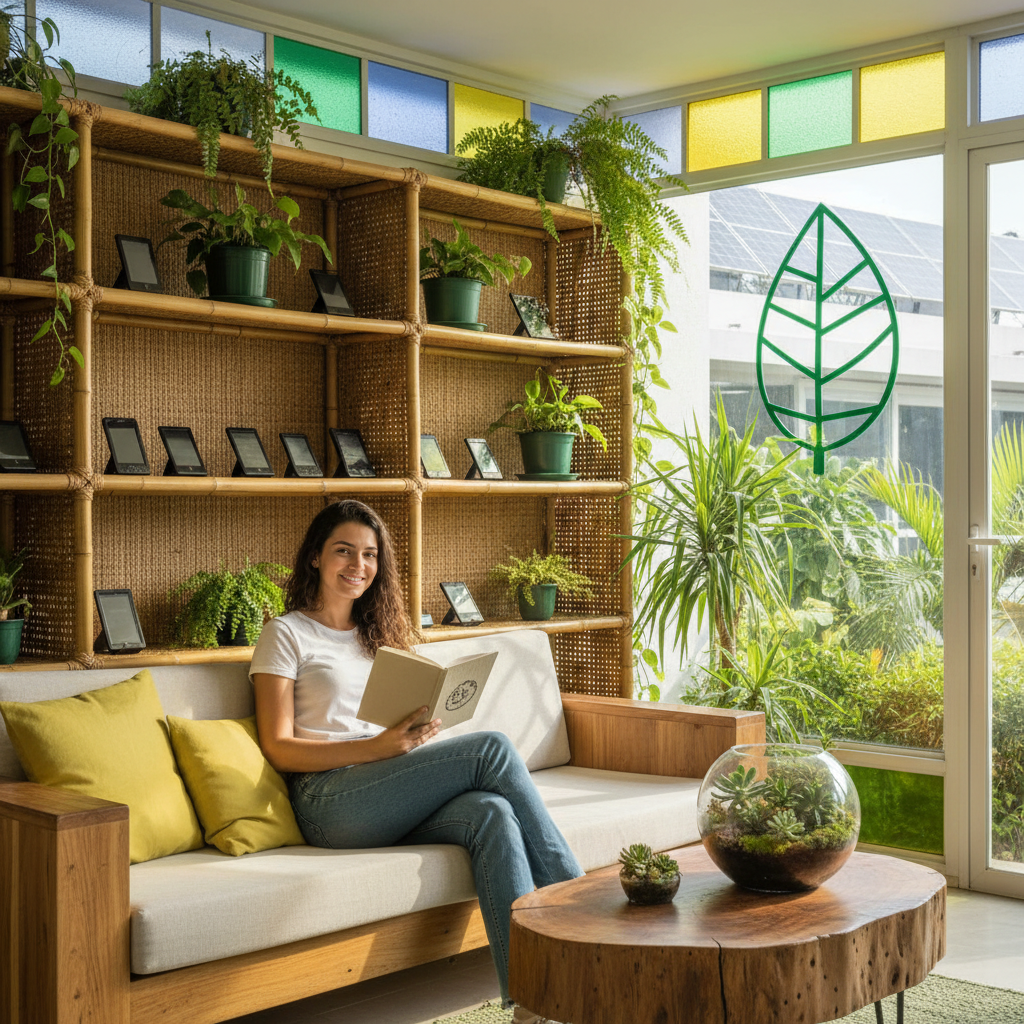
Key Takeaways
- Brazil's Ministry of Education launched free digital reading platforms.
- The initiative offers a library-style model with 8,000 digital titles.
- It recorded 122,000 loans in its first week of operation.
- The platform aims to expand access to books for all citizens.
- This move significantly reduces environmental impact compared to physical books.
In an era demanding innovative solutions for both education and environmental stewardship, a groundbreaking initiative from Brazil is turning the page on how we access knowledge. Imagine a world where thousands of books are instantly available to millions, without felling a single tree or generating any waste. This isn't just a dream; it's the reality unfolding in Brazil right now, and it holds profound implications for sustainable living worldwide.
TL;DR: Key Facts
- Brazil's Ministry of Education launched a new initiative to expand access to books.
- The initiative provides free digital reading platforms to the public.
- It offers a library-style model with 8,000 digital titles available.
- The platform recorded an impressive 122,000 loans in its first week alone.
- This move aims to make literature and learning more accessible across the nation.
What Happened
The Brazilian Ministry of Education has rolled out a significant new initiative designed to dramatically broaden access to books across the country. Through a series of free digital reading platforms, the government is making a vast digital library available to its citizens. This forward-thinking approach leverages technology to overcome geographical and economic barriers that might typically hinder access to educational and recreational literature.
Operating on a library-style model, the platforms currently boast an impressive collection of 8,000 titles. This extensive catalog spans various genres and subjects, catering to a wide range of interests and educational needs. The public response has been overwhelmingly positive, demonstrating a clear demand for such resources. In its inaugural week, the initiative quickly surpassed expectations, registering over 122,000 loans, a testament to its immediate impact and utility for the Brazilian populace.
Why It Matters
For readers of GreenNest Living, this news from Brazil is far more than just a publishing update; it's a beacon of sustainable innovation with significant implications for our planet and society. At its core, this initiative champions resource conservation. Every digital book borrowed represents a physical book not printed, saving countless trees, reducing water and energy consumption associated with paper production, and eliminating the carbon footprint of transportation and distribution. In a world grappling with deforestation and climate change, embracing digital literacy platforms like Brazil's offers a tangible, scalable solution to reduce our environmental impact without compromising access to essential knowledge and culture.
Beyond environmental benefits, this move profoundly impacts social equity, a cornerstone of sustainable development. By providing free access to 8,000 titles, Brazil is actively democratizing knowledge and breaking down barriers of cost and geography. In rural areas or low-income communities, where physical libraries might be scarce or purchasing books a luxury, digital platforms offer an invaluable gateway to education and self-improvement. This enhanced accessibility fosters intellectual growth, critical thinking, and informed citizenship—qualities essential for building resilient, sustainable communities capable of addressing complex global challenges, including environmental ones.
Furthermore, this initiative promotes a more mindful consumption culture. It encourages sharing and access over individual ownership of physical copies, aligning perfectly with the ethos of a circular economy and reduced material footprint. It demonstrates that technology, when harnessed thoughtfully, can be a powerful tool for advancing sustainability goals, bridging the digital divide, and empowering individuals with the resources they need to thrive. This model could inspire similar initiatives globally, paving the way for a more educated, equitable, and eco-conscious future.
What You Can Do
- Explore Digital Libraries: Check your local public library's website for free e-book and audiobook services. Many offer vast collections accessible with just your library card.
- Support Digital Literacy Initiatives: Look for and contribute to organizations that promote digital access and education in underserved communities, both locally and globally.
- Prioritize E-books and Audiobooks: When purchasing new titles, consider digital versions to reduce your environmental impact. Save physical books for cherished favorites or truly unique editions.
- Donate and Share Physical Books Thoughtfully: If you do own physical books, extend their lifecycle by donating them to libraries, schools, or charities, or participate in book-sharing programs.
- Advocate for Digital Access: Encourage your local government and educational institutions to invest in and promote free digital learning resources for all citizens.
- Educate Others: Share the benefits of digital reading platforms and their role in sustainable living with friends, family, and your community.
FAQs
Q: Is digital reading truly more sustainable than physical books?
A: Generally, yes. While e-readers and devices consume energy, the environmental impact of their production and use is often significantly lower than the cumulative impact of paper production (deforestation, water, energy), printing, and transportation for physical books over their lifetime.
Q: How can I find free digital books or similar platforms in my region?
A: Start with your local public library, which often provides access to services like Libby, OverDrive, or Hoopla. Websites like Project Gutenberg offer thousands of free public domain titles. Many educational institutions also provide digital resources to students and alumni.
Q: Does the rise of digital reading mean the end for physical books?
A: Not at all. Physical books retain their unique value for many readers, offering a tactile experience and often serving as collectible items. Digital platforms are a complementary, sustainable alternative that expands access and choice, rather than completely replacing traditional formats.
Sources
This article is based on reporting by Publishing Perspectives.
Original source
Publishing Perspectives
Author, Digital Entrepreneur & AI Creator
More from Sustainable Living
- UK Women's Prize Highlights Literature's Crucial Role in a Greener Future — May 14, 2026
- Unearthing Wisdom: Islamic Philosophy's Green Insights — May 13, 2026
- Literature's Mirror: UK Prize Reflects on Sustainable Living — May 12, 2026
- Prague Fair Uncovers Regional Keys to a Greener Literary Future — May 11, 2026
- Comics & Graphic Novels: Driving Sustainable Stories in Eastern Europe — May 10, 2026