Chelsea's Rewilding Vision: Gardens Beyond Blooms
Key Takeaways
- A Chelsea Flower Show winner featured a 'Rewilding Britain Landscape,' not a traditional garden.
- Judges praised its meticulous ecological planting, while visitors questioned its aesthetic.
- The garden included a rustic nature blind, emphasizing wildlife observation.
- It championed rewilding, blurring the lines between cultivated and wild spaces.
- This installation underscored the growing importance of gardens as micro-habitats for biodiversity.
The traditional image of a garden—meticulously manicured, overflowing with exotic blooms—is slowly giving way to a more ecological vision. This paradigm shift was powerfully showcased at a recent Chelsea Flower Show, where an unexpected winner wasn’t just pretty, but profound, challenging us to reconsider our relationship with nature, even in our own backyards.
TL;DR: Key Facts
- A few years ago, the Chelsea Flower Show's top prize went to “A Rewilding Britain Landscape.”
- The installation intentionally blurred the lines between a traditional garden and wild nature.
- Judges were impressed by the meticulous, thoughtful planting that supported a rewilded ethos.
- Visitors were often left pondering the absence of conventional 'garden' elements.
- A rustic nature blind highlighted the purpose of observing and coexisting with wildlife, including bats.
What Happened
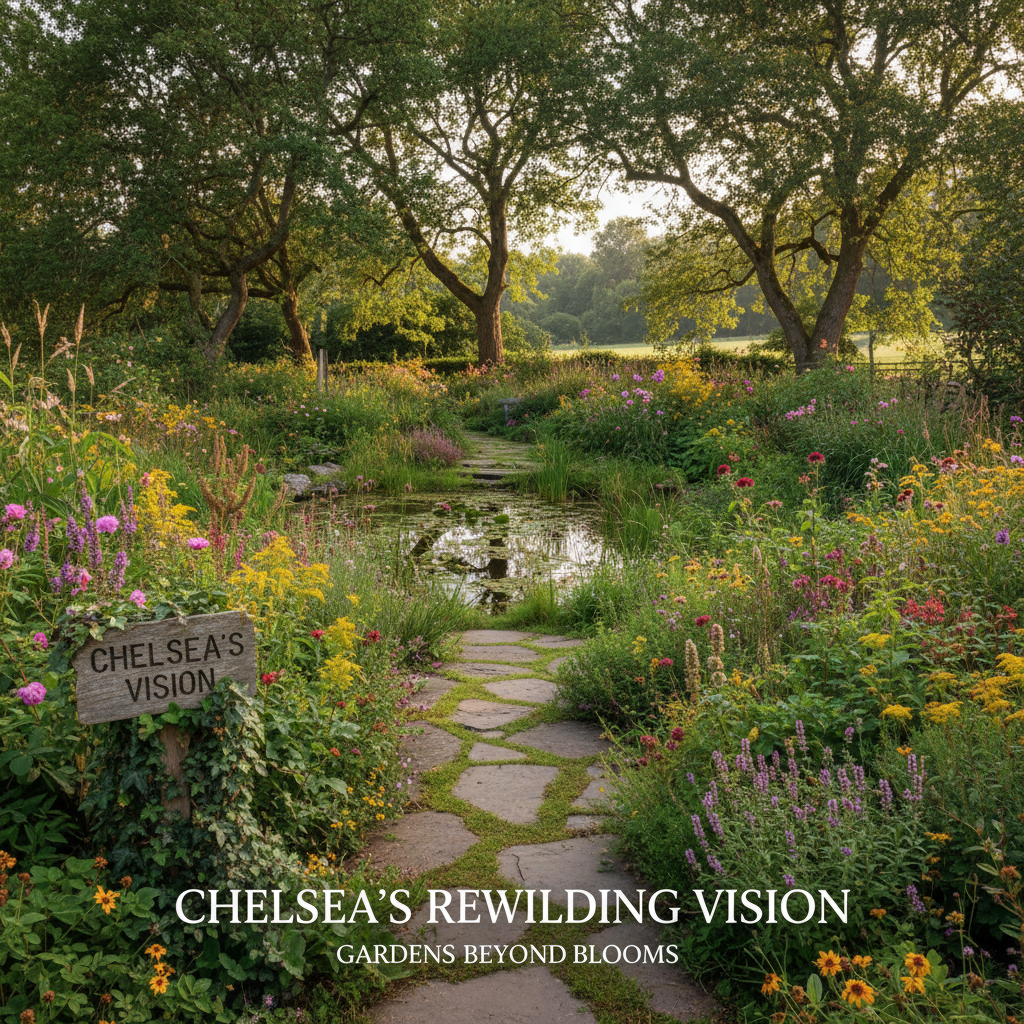
At a past Chelsea Flower Show, an event synonymous with horticultural excellence and classic garden design, the top accolade was awarded to a truly unconventional exhibit: “A Rewilding Britain Landscape.” Far from the expected bursts of cultivated color and formal layouts, this installation embraced a raw, untamed aesthetic. The very name, “landscape,” signaled its departure from the traditional concept of a “garden,” suggesting a broader, more integrated approach to land management.
The judges were reportedly captivated by the meticulous thought and effort that went into crafting this wild-inspired space. Every plant choice, every structural element, served the overarching goal of ecological restoration and biodiversity support, rather than purely human-centric visual appeal. However, for many visitors, the scene was a head-scratcher. Accustomed to the manicured lawns and vibrant flower beds typical of Chelsea, they wondered aloud where the “garden” in this landscape truly was. A prominent feature, a rustic nature blind positioned at one end, hinted at the installation's core message: this was a space designed not just for human enjoyment, but for observation, for wildlife, and for allowing nature to reclaim its own.
Why It Matters
This award-winning Chelsea garden wasn't merely a pretty display; it was a potent statement, a living manifesto for the growing movement towards rewilding. In a world grappling with escalating climate change and unprecedented biodiversity loss, our conventional gardens, often sterile and resource-intensive, are becoming increasingly anachronistic. “A Rewilding Britain Landscape” powerfully demonstrated that our outdoor spaces can, and should, be more than just ornamental extensions of our homes; they can be vital micro-habitats, supporting a complex web of life from pollinators to nocturnal predators like bats.
The installation’s success underscores a critical shift in how we perceive and interact with our environment. It challenges the long-held notion that a beautiful garden must be controlled and cultivated to perfection. Instead, it advocates for a more permissive, hands-off approach that encourages natural processes, welcomes native species, and tolerates the beautiful messiness of nature. This isn't just about aesthetics; it's about ecological resilience. By rewilding even small patches, we create crucial stepping stones for wildlife, enhance soil health, improve local air and water quality, and foster a deeper connection to the natural world right outside our doors. For GreenNest Living readers, this isn't just news from a distant flower show; it's an urgent call to action to transform our own plots into thriving, sustainable ecosystems.
What You Can Do
Inspired by the rewilding spirit? Here’s how you can transform your garden into a haven for biodiversity:
- Embrace Native Plants: Prioritize plants native to your region. They are adapted to local conditions, require less water and maintenance, and provide essential food and habitat for local wildlife.
- Reduce Lawn Area: Consider converting portions of your lawn into wildflower meadows, native plant beds, or even small woodland areas. Mown lawns offer little ecological value.
- Create Diverse Habitats: Install bat boxes, birdhouses, and insect hotels. Leave log piles, rockeries, and even a patch of undisturbed leaves to provide shelter for various creatures.
- Go Chemical-Free: Eliminate pesticides, herbicides, and synthetic fertilizers. These harm beneficial insects, soil microbes, and can poison the very wildlife you aim to attract.
- Install a Water Feature: Even a small pond or a shallow bird bath can provide a vital water source for birds, insects, and amphibians, boosting biodiversity significantly.
- Observe and Learn: Spend time watching your garden. Note which plants attract pollinators, which areas offer shelter, and how different species interact. This observation will inform future rewilding efforts.
Ciro's Take
As an advocate for environmental sustainability, the “A Rewilding Britain Landscape” garden at Chelsea truly resonated with me. It’s a powerful reminder that our gardens hold immense potential beyond just human enjoyment; they can be vital bastions of biodiversity in an increasingly urbanized world. Seeing such a challenging and ecologically sound concept win a top prize sends a clear message: the future of gardening isn't about control, but collaboration with nature. It personally affirms my belief that even the smallest patch of land, thoughtfully tended with wildlife in mind, can make a significant difference. We need to move past the obsession with perfectly manicured lawns and embrace the wild beauty and ecological services that a rewilded garden offers.
FAQs
Q: What exactly is 'rewilding' in a garden context?
A: Rewilding a garden means allowing natural processes to take hold and creating habitats for local wildlife, rather than strictly controlling all aspects of the garden. It often involves planting native species, creating diverse ecosystems, and reducing human intervention.
Q: Can I rewild my garden if I only have a small space?
A: Absolutely! Even a small balcony or a corner of a backyard can be rewilded by adding native plants in pots, a small water feature, or a solitary bee house. Every bit of habitat helps support local biodiversity.
Q: Will a rewilded garden look messy?
A: A rewilded garden might look different from a traditional manicured lawn, but it can still be beautiful. The key is intentional design – creating defined paths, borders, or features that frame the wilder areas, creating a look that is both natural and aesthetically pleasing. It's about finding a balance between 'wild' and 'managed wild.'
Sources
This article is based on reporting by Gardenista.
Original source
Gardenista
Author, Digital Entrepreneur & AI Creator
More from Garden & Plants
- French Laundry's Green Secret: A Culinary Garden Model — May 22, 2026
- Uncovering the Real Story of Organic Lawns — May 21, 2026
- Wisteria Walks: Blooming Urban Wellness in Manhattan — May 20, 2026
- Hygge & Home: Seamless Living, Sustainable Gardens — May 19, 2026