China's Carbon Conundrum: Coal Surge Amidst Green Boom
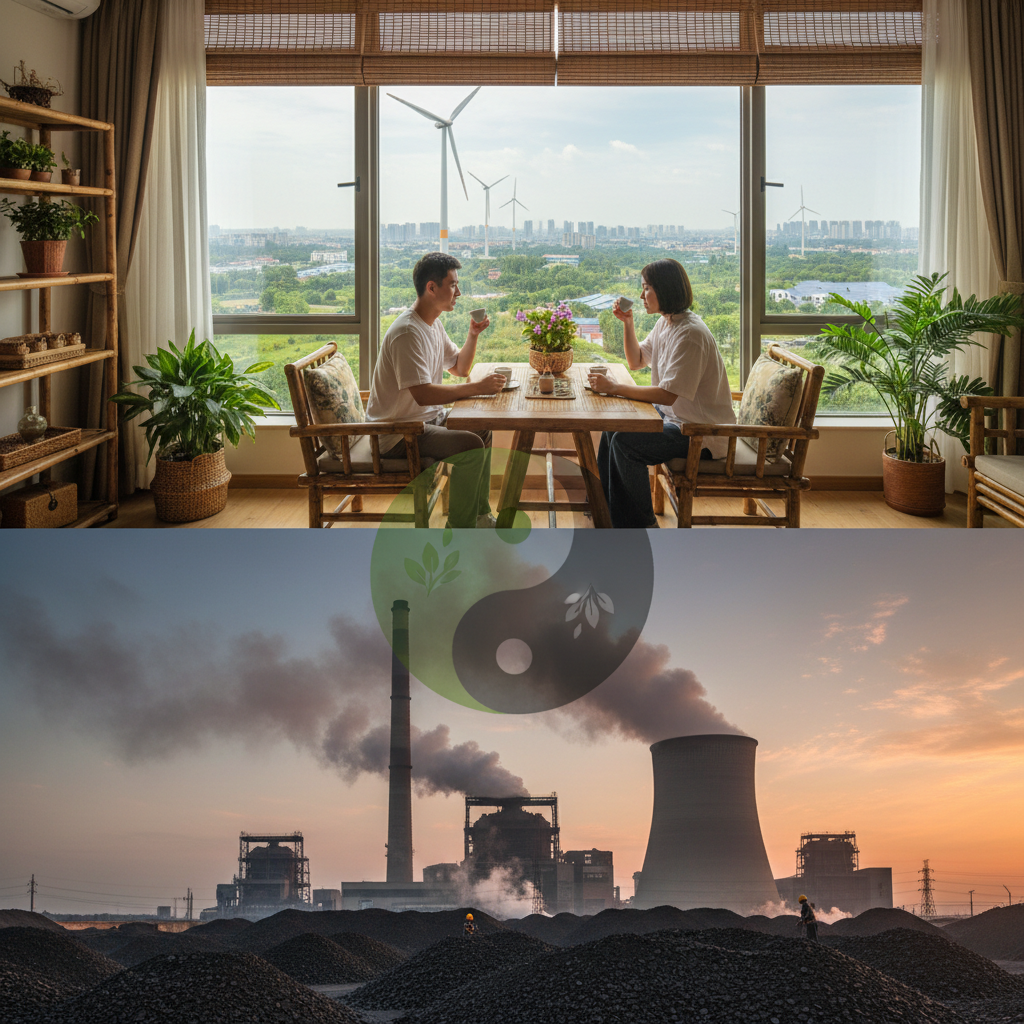
Key Takeaways
- China is the world's leading investor and deployer of renewable energy, especially wind and solar.
- However, reports indicate over 50 large coal units are slated for commissioning in 2025.
- This represents a sharp increase from fewer than 20 new coal units commissioned annually over the previous decade.
- The expansion highlights China's complex challenge of balancing massive energy demand with environmental goals.
- This dual energy strategy carries significant implications for global carbon emissions and climate targets.
China's rapid embrace of wind and solar power has rightly garnered global attention as a beacon of renewable energy expansion, demonstrating what's possible when a nation commits to green technology. Yet, a striking paradox emerges from recent reports: despite its formidable green energy boom, China is simultaneously planning a significant expansion of coal-fired power. This dual-track approach poses critical questions for global climate action and the future of sustainable living, demanding our immediate and thoughtful attention.
TL;DR: Key Facts
- China is the world's leading investor and deployer of renewable energy, especially wind and solar.
- However, reports indicate over 50 large coal units are slated for commissioning in 2025.
- This represents a sharp increase from fewer than 20 new coal units commissioned annually over the previous decade.
- The expansion highlights China's complex challenge of balancing massive energy demand with environmental goals.
- This dual energy strategy carries significant implications for global carbon emissions and climate targets.
What Happened
Recent reporting from Euronews Green shines a spotlight on a complex and seemingly contradictory trend within China's energy sector. On one hand, China continues to solidify its position as the global leader in renewable energy, deploying vast arrays of wind turbines and solar panels at an unprecedented scale. This commitment to green infrastructure is transforming its energy landscape and providing valuable lessons for other nations pursuing sustainable development. The sheer volume of renewable energy capacity being brought online is staggering, signaling a genuine drive towards a cleaner future.
However, the same reports reveal another, less optimistic side of China's energy strategy. Despite its advancements in renewables, the nation is also projected to commission more than 50 large coal units in 2025. This figure marks a significant escalation in coal power development, contrasting sharply with the trend of the preceding decade, during which annual commissioning of new coal units hovered below 20. This simultaneous expansion of both green and fossil fuel infrastructure underscores the immense energy demands of China's industrial base and its rapidly growing economy, as well as the intricate challenges of transitioning a massive energy system away from its historical reliance on coal.
Why It Matters
For those deeply invested in sustainable living and the health of our planet, this news from China carries profound implications. The country's unparalleled investment in wind and solar power offers a tangible blueprint for rapid renewable energy deployment, demonstrating that clean energy can be scaled up to meet industrial needs. This innovation and cost reduction in renewable technologies ultimately benefits every nation striving for a cleaner energy future, proving that a low-carbon transition is not just aspirational but achievable. It provides a beacon of hope for technological solutions to climate change.
Yet, the simultaneous, projected commissioning of over 50 new coal plants in 2025 casts a considerable shadow over these green achievements. Coal remains the most carbon-intensive fossil fuel, and its expanded use directly threatens global efforts to mitigate climate change by pumping vast amounts of greenhouse gases into the atmosphere. This dual strategy illustrates the deep-seated challenges faced by developing economies: how to meet burgeoning energy demands for a massive population and continued economic growth while simultaneously addressing environmental responsibilities. It forces a critical examination of global carbon budgets and whether current international climate commitments are truly sufficient or being adequately met. This isn't merely an abstract policy debate; it impacts the air we breathe, the stability of our ecosystems, and the availability of resources for future generations – all core tenets of sustainable living.
Understanding this global paradox is crucial for every environmentally conscious individual. It highlights that the energy transition is not a simple linear process, but a complex, often contradictory, journey influenced by national security, economic stability, and technological readiness. This situation emphasizes the urgent need for comprehensive international cooperation, accelerated technological transfer in areas like energy storage and grid modernization, and innovative policy frameworks to ensure that global development can truly align with ecological sustainability. Our collective advocacy for more robust, globally coherent sustainable energy policies becomes even more vital in light of these complex realities.
What You Can Do
- Educate Yourself & Others: Stay informed about global energy policies and their intricate relationship with climate change. Share reliable information to foster informed discussions within your community.
- Optimize Home Energy Use: Implement energy-saving practices in your daily life, such as using energy-efficient appliances, sealing drafts, and optimizing heating/cooling. Small changes collectively reduce demand.
- Support Green Energy Providers: Where available, switch to electricity suppliers that source power from 100% renewable energy, or consider community solar programs.
- Advocate for Progressive Policies: Engage with your elected officials to support policies that accelerate the transition to renewable energy, incentivize energy efficiency, and place a fair price on carbon emissions.
- Invest Responsibly: Consider aligning your financial investments with companies and funds that demonstrate strong environmental, social, and governance (ESG) commitments, particularly in the renewable energy sector.
- Champion Innovation: Support research and development into advanced energy storage solutions, smart grid technologies, and carbon capture initiatives that can help bridge the gap during the transition away from fossil fuels.
FAQs
Q: Why is China building new coal plants if it's also a leader in renewables?
A: China faces immense and rapidly growing energy demands to power its vast population and industrial sector. While it's heavily investing in renewables, new coal plants are often pursued to ensure energy security, provide reliable baseload power, and maintain grid stability, especially as integrating large amounts of intermittent renewable energy poses technical challenges.
Q: How does this impact global climate change goals?
A: The continued commissioning of new coal plants in China significantly increases global greenhouse gas emissions. This expansion makes it considerably more difficult for the world to meet critical emissions reduction targets necessary to limit global warming to 1.5°C or even 2°C, potentially undermining international climate agreements.
Q: Does this mean renewable energy isn't effective for large economies?
A: Absolutely not. China's rapid deployment of renewables unequivocally demonstrates their immense potential and effectiveness even for large, industrial economies. The challenge isn't the technology itself, but the complex task of fully transitioning entire energy systems away from established fossil fuels while ensuring economic stability and energy security, which requires significant upgrades to grid infrastructure and energy storage solutions.
Sources
This article is based on reporting by Euronews Green.
Original source
Euronews Green
Author, Digital Entrepreneur & AI Creator
More from Sustainable Living
- UK Women's Prize Highlights Literature's Crucial Role in a Greener Future — May 14, 2026
- Unearthing Wisdom: Islamic Philosophy's Green Insights — May 13, 2026
- Literature's Mirror: UK Prize Reflects on Sustainable Living — May 12, 2026
- Prague Fair Uncovers Regional Keys to a Greener Literary Future — May 11, 2026
- Comics & Graphic Novels: Driving Sustainable Stories in Eastern Europe — May 10, 2026