China's Children Lead Green Wave with Eco-Education Books
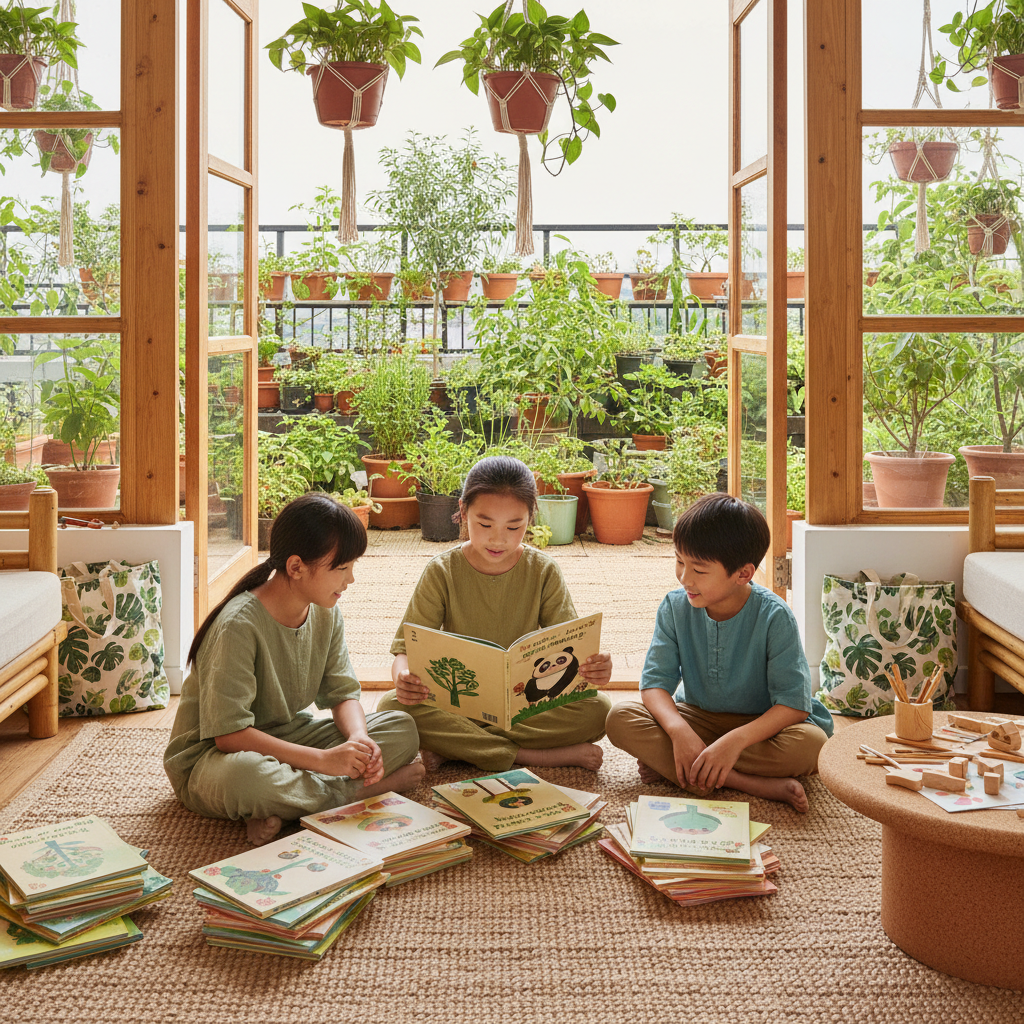
Key Takeaways
- China's children's book market is booming in science and nature categories.
- This growth is driven by a strategic focus on “ecological education.”
- The aim is to develop “globally-minded Chinese readers” with environmental awareness.
- Major publishers like Phoenix Fine Arts are actively promoting this trend.
- It signifies a global investment in embedding environmental literacy from childhood.
In a powerful signal for global sustainability, China's booming children's book market is increasingly focusing on science and nature, fostering a vital new generation of environmentally conscious citizens. This significant shift promises to embed ecological awareness from an early age, shaping future attitudes towards our planet and inspiring positive action on a grand scale.
As global environmental challenges intensify, the proactive integration of ecological education into popular culture, particularly for young minds, represents a crucial step towards building a more sustainable future. This initiative by a major global player like China holds profound implications for how environmental literacy can be cultivated worldwide.
TL;DR: Key Facts
- China's children's book market is experiencing significant growth, particularly in science and nature categories.
- This surge is intentionally fueled by a strategic focus on “ecological education.”
- The objective is to cultivate a new generation of “globally-minded Chinese readers” with strong environmental awareness.
- Major publishers, such as Phoenix Fine Arts Publishing, are actively promoting this trend at international events like the Bologna Book Fair.
- The initiative underscores a commitment to embedding environmental literacy and stewardship from early childhood.
What Happened
Ahead of the Bologna Book Fair, a prominent trend has emerged from China's publishing landscape: science and nature books are significantly fueling the nation's children's book market. This is not merely an organic growth but a concerted effort by publishers and educational institutions to shape the environmental perspectives of young readers.
Wang Linjun, President of Phoenix Fine Arts Publishing, a key player in this movement, articulated the group's mission. He stated that they are attending the Bologna Book Fair with the explicit goal of supporting “ecological education for a new generation of globally-minded Chinese readers.” This highlights a clear strategic direction to leverage the power of children's literature as a tool for widespread environmental enlightenment, positioning books as fundamental instruments in nurturing a sustainable mindset from an early age.
Why It Matters
For readers of GreenNest Living, this development out of China is immensely significant. It underscores a fundamental truth: the seeds of sustainable living are best planted in childhood. When a nation as populous and globally influential as China actively promotes ecological education through its children's literature, it's not just a publishing trend; it's a strategic investment in the planet's future. Early exposure to scientific concepts about nature, biodiversity, and environmental interconnectedness builds a foundational understanding that can foster lifelong habits of stewardship, empathy for other species, and a deep appreciation for the natural world. This educational pivot helps children grasp complex environmental issues, fostering a sense of responsibility and empowering them to become active participants in creating solutions rather than inheriting problems.
Furthermore, the emphasis on cultivating “globally-minded Chinese readers” resonates deeply with the spirit of sustainable living. Environmental challenges like climate change, pollution, and biodiversity loss transcend national borders. Addressing them effectively requires an international perspective, collaboration, and a shared understanding of our collective responsibility. By nurturing children who understand global ecological systems and their place within them, China is not only securing its own sustainable future but also contributing to a more informed and engaged global citizenry. These young readers will be better equipped to critically evaluate environmental information, advocate for sustainable policies, and innovate solutions that benefit everyone, everywhere.
This initiative exemplifies the transformative power of education and media in driving cultural change towards sustainability. It demonstrates that books, particularly those designed for children, are far more than mere entertainment; they are powerful vehicles for instilling core values and knowledge essential for navigating our complex environmental landscape. For GreenNest Living, it’s a powerful reminder that our collective efforts in environmental advocacy and education are bearing fruit, and that the future of sustainable living lies firmly in the hands of the generation we inspire today.
What You Can Do
- Support Eco-Conscious Publishers: Seek out and purchase books from publishers and authors who prioritize science, nature, and environmental themes for children. Your buying choices send a strong message.
- Introduce Nature-Themed Books: Integrate science and nature books into the reading habits of children in your life. Look for engaging stories that explain ecosystems, biodiversity, climate, and conservation in an age-appropriate manner.
- Read Widely on Environmental Topics: Lead by example. Educate yourself on current environmental issues and sustainable practices. Share your learnings and enthusiasm with family and friends, sparking conversations.
- Engage in Nature-Based Activities: Complement reading with real-world experiences. Visit local parks, nature reserves, or even just your backyard to observe flora and fauna. These hands-on interactions reinforce the lessons learned from books.
- Advocate for Environmental Education: Encourage your local schools and libraries to expand their collections of science and nature books and integrate ecological education more deeply into their curricula.
- Gift Sustainable Knowledge: Consider giving children books focused on environmental themes as gifts, fostering a love for learning about the planet and its protection.
FAQs
Q: Why is children's literature particularly important for fostering sustainability?
A: Children's literature provides an accessible and engaging way to introduce complex ecological concepts, build empathy for nature, and instill a sense of environmental responsibility from a young age, laying a critical foundation for lifelong sustainable behavior.
Q: Is this trend of prioritizing ecological education in children's books unique to China?
A: While China's scale makes this initiative particularly impactful, there's a growing global recognition of the importance of environmental education in children's literature. Many countries and publishers are increasing their offerings in science and nature books, though perhaps not always with the same overt strategic emphasis as seen in China.
Q: How can I identify high-quality, impactful eco-books for children?
A: Look for books that are scientifically accurate, engagingly written, beautifully illustrated, and inspire curiosity and action rather than fear. Reviews from reputable sources, environmental organizations, and educational institutions can also guide your choices.
Sources
This article is based on reporting by Publishing Perspectives.
Original source
Publishing Perspectives
Author, Digital Entrepreneur & AI Creator
More from Sustainable Living
- UK Women's Prize Highlights Literature's Crucial Role in a Greener Future — May 14, 2026
- Unearthing Wisdom: Islamic Philosophy's Green Insights — May 13, 2026
- Literature's Mirror: UK Prize Reflects on Sustainable Living — May 12, 2026
- Prague Fair Uncovers Regional Keys to a Greener Literary Future — May 11, 2026
- Comics & Graphic Novels: Driving Sustainable Stories in Eastern Europe — May 10, 2026