China's Kids' Books Cultivate Green Minds Globally
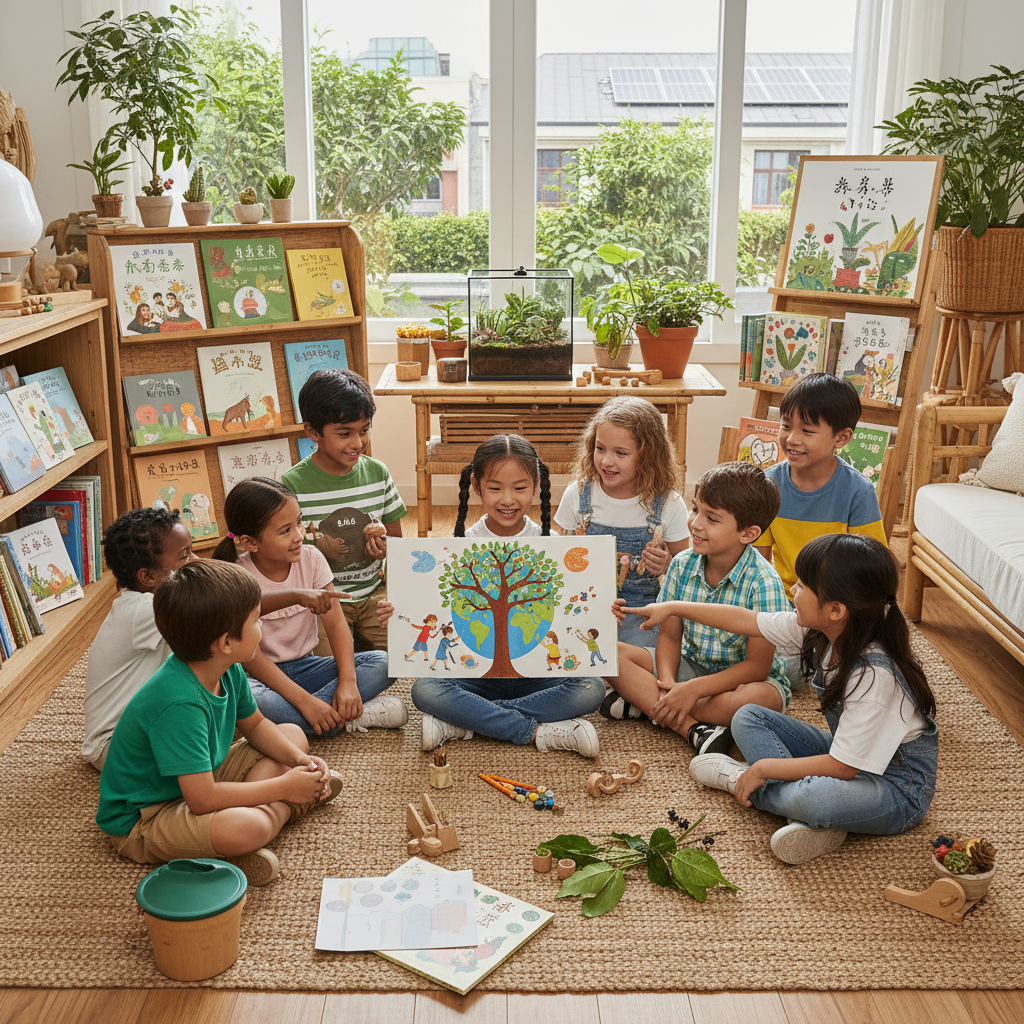
Key Takeaways
- China's children's book market shows strong growth in science and nature categories.
- Publishers are actively promoting 'ecological education' for young readers.
- Phoenix Fine Arts Publishing aims to foster globally-minded, environmentally conscious youth.
- The trend is a significant focus ahead of the international Bologna Book Fair.
- Early ecological education is vital for cultivating lifelong sustainable practices.
China's Kids' Books Cultivate Green Minds Globally
The future of our planet lies in the hands of the next generation. A significant trend emerging from China's vibrant publishing scene offers a beacon of hope, showing how literature is actively nurturing young minds with essential ecological wisdom. This shift isn't just about books; it's about building a foundational understanding and appreciation for nature that is critical for a truly sustainable future.
TL;DR: Key Facts
- China's children's book market is experiencing a significant surge in science and nature titles.
- This growth is explicitly driven by a strategic focus on 'ecological education' for young readers.
- Publishers like Phoenix Fine Arts Publishing are key players, aiming to foster a new generation of globally-minded Chinese readers with environmental consciousness.
- The trend is gaining international recognition and focus, particularly ahead of major global events like the Bologna Book Fair.
- Early exposure to environmental themes through literature is seen as crucial for cultivating lifelong sustainable practices.
What Happened
In a notable development within the global publishing industry, China's children's book market is witnessing an impressive boom, with a particular emphasis on science and nature-themed titles. This surge isn't a mere statistical anomaly but a deliberate and concerted effort by leading publishers to engage young minds with critical environmental concepts.
Wang Linjun, the President of Phoenix Fine Arts Publishing, a prominent player in the Chinese publishing landscape, articulated this mission clearly. Speaking ahead of the renowned Bologna Book Fair, Wang stated that their primary goal for attending such international events is to actively support and promote 'ecological education for a new generation of globally-minded Chinese readers.' This initiative underscores a proactive approach to instilling environmental awareness from an early age, aiming to cultivate a readership that is both knowledgeable about and connected to the natural world.
The strategic focus on science and nature books for children, therefore, represents more than just a publishing trend. It signifies a broader societal commitment to preparing younger generations to face global environmental challenges with insight, empathy, and a strong sense of responsibility. By leveraging the power of storytelling and accessible scientific information, Chinese publishers are setting a precedent for how literature can serve as a vital tool in shaping environmental stewardship.
Why It Matters
For those of us at GreenNest Living, dedicated to championing sustainable lifestyles, this news from China is profoundly significant. It highlights the indispensable role of early education in shaping environmental consciousness and fostering a truly sustainable future. Children are, by nature, curious and open to new ideas. Instilling ecological principles and an appreciation for the natural world at a young age doesn't just impart knowledge; it cultivates values, empathy, and a sense of connection that can last a lifetime. These foundational experiences can transform children into lifelong advocates and practitioners of sustainable living, making more informed choices about consumption, conservation, and community engagement as they grow.
Furthermore, the focus on “ecological education for a new generation of globally-minded Chinese readers” carries immense global implications. China, as a major global player, represents a vast population. A concerted effort to educate its youth on environmental issues can have ripple effects that extend far beyond its borders. It signals a growing recognition that environmental challenges are universal and require collective, informed action. By fostering a generation that is not only ecologically literate but also globally aware, China's publishing industry is contributing to a broader movement towards global environmental citizenship. This trend can inspire other nations and publishers to double down on their efforts to integrate environmental education into mainstream children’s literature, creating a worldwide network of young environmental stewards.
Beyond the scientific facts, science and nature books for children also play a crucial role in fostering wonder, empathy, and a deep, intrinsic connection to the natural world. These narratives often explore the intricate beauty of ecosystems, the diversity of life, and the delicate balance that sustains our planet. When children are exposed to stories about migrating birds, the lifecycle of a butterfly, or the importance of clean water, they begin to understand their place within this vast, interconnected web of life. This emotional and intellectual connection is what truly drives responsible action. It moves beyond rote memorization of environmental facts to cultivate a genuine love and respect for nature, which is the most powerful motivator for sustainable behavior and environmental protection. This emphasis on deep connection is precisely what we advocate for at GreenNest Living, making this publishing trend a vital step forward.
What You Can Do
Inspired by this promising trend, here are actionable steps you can take to foster ecological education in the young people in your life and beyond:
- Seek Out Science and Nature Books: Actively look for children's books that focus on environmental themes, nature, science, and sustainability. Visit your local library or bookstore's children's section with this specific goal in mind.
- Support Green Publishers: Prioritize purchasing from publishers and authors who are dedicated to creating high-quality ecological education content. Your consumer choices can drive market demand.
- Engage with Nature: Complement reading with real-world experiences. Take children on nature walks, visit parks, gardens, or nature centers, and encourage hands-on interaction with the natural environment.
- Discuss Environmental Topics Openly: Use books as a springboard for conversations about climate change, conservation, biodiversity, and sustainable practices. Answer their questions honestly and encourage critical thinking.
- Advocate for Environmental Education: Speak with teachers, school administrators, and local library staff about incorporating more ecological education into curricula and programming.
- Be a Role Model: Demonstrate sustainable living practices in your own life. Children learn best by observing the adults around them. Your actions speak volumes about the importance of environmental stewardship.
FAQs
Q: Why is ecological education particularly important for children?
A: Ecological education for children is crucial because it builds foundational understanding, empathy, and values for lifelong sustainable behavior. It empowers them to become responsible global citizens who appreciate and protect the natural world from an early age.
Q: Is this trend of focusing on science and nature books specific to China?
A: While the current news highlights a significant surge in China, the broader need and growing interest in ecological education for children is a global phenomenon. Many countries and publishers worldwide are increasingly recognizing its importance.
Q: How can I identify good ecological education books for my children or grandchildren?
A: Look for age-appropriate content, engaging storytelling, accurate scientific information, and themes that promote curiosity, environmental stewardship, and a deep appreciation for nature. Reviews, awards, and recommendations from educators can also be helpful guides.
Sources
This article is based on reporting by Publishing Perspectives.
Original source
Publishing Perspectives
Author, Digital Entrepreneur & AI Creator
More from Sustainable Living
- UK Women's Prize Highlights Literature's Crucial Role in a Greener Future — May 14, 2026
- Unearthing Wisdom: Islamic Philosophy's Green Insights — May 13, 2026
- Literature's Mirror: UK Prize Reflects on Sustainable Living — May 12, 2026
- Prague Fair Uncovers Regional Keys to a Greener Literary Future — May 11, 2026
- Comics & Graphic Novels: Driving Sustainable Stories in Eastern Europe — May 10, 2026