China's Kids' Books: Nurturing Eco-Conscious Minds
Key Takeaways
- China's children's book market is experiencing a significant boom in science and nature-themed content.
- This surge is intentionally driven by a focus on providing "ecological education."
- The primary goal is to cultivate a new generation of "globally-minded Chinese readers" with environmental awareness.
- Phoenix Fine Arts Publishing, represented by President Wang Linjun, is a key player championing this movement.
- The initiative is gaining international recognition, with publishers presenting these efforts at events like the Bologna Book Fair.
In a world grappling with escalating environmental challenges, the foundational education of our children stands as our most vital investment. A significant trend emerging from China's publishing industry reveals a proactive embrace of this responsibility, offering a powerful beacon of hope for global sustainability. This move underscores the critical role of early learning in shaping a future generation deeply connected to environmental stewardship.
TL;DR: Key Facts
- China's children's book market is experiencing a significant boom in science and nature-themed content.
- This surge is intentionally driven by a focus on providing "ecological education."
- The primary goal is to cultivate a new generation of "globally-minded Chinese readers" with environmental awareness.
- Phoenix Fine Arts Publishing, represented by President Wang Linjun, is a key player championing this movement.
- The initiative is gaining international recognition, with publishers presenting these efforts at events like the Bologna Book Fair.
What Happened
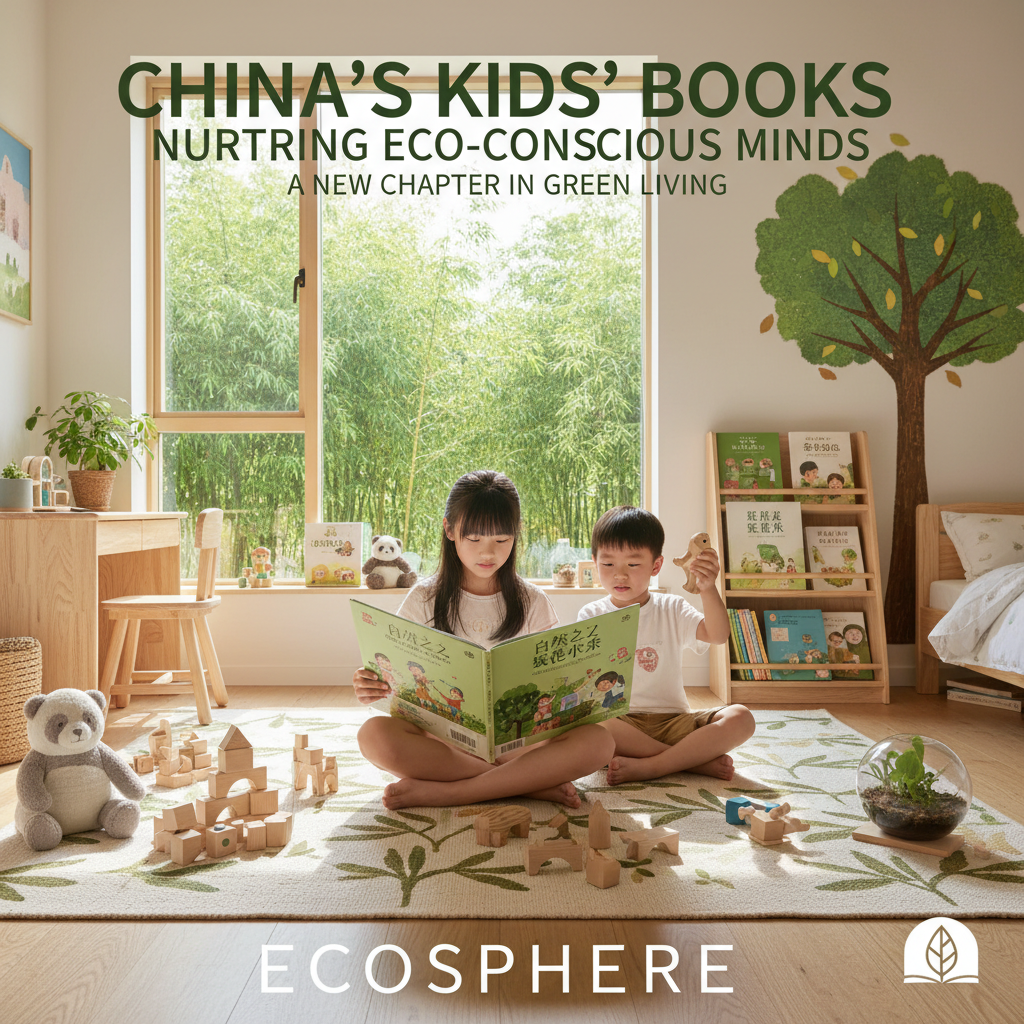
Reports from the publishing world indicate a notable and intentional shift within China's children's book market. There's a thriving demand and supply for titles dedicated to science and nature, transforming the literary landscape for young readers across the nation. This isn't merely a fleeting trend but rather a concerted effort to leverage the power of storytelling and information to instil specific values and knowledge.
At the forefront of this movement is Phoenix Fine Arts Publishing. Its President, Wang Linjun, has explicitly articulated the group's mission to support "ecological education for a new generation of globally-minded Chinese readers." This clear objective highlights a strategic commitment to nurturing environmental awareness and a broader understanding of global interconnectedness from an early age. Their participation in international events like the Bologna Book Fair signifies an ambition to share this vision and potentially influence a wider audience.
The emphasis on "globally-minded" readers suggests an understanding that environmental issues transcend national borders, requiring collective, informed action. By equipping children with a strong foundation in ecological principles and scientific understanding, Chinese publishers aim to prepare them not just for local environmental challenges but for their future roles as responsible global citizens. This educational philosophy is designed to foster a deep respect for the natural world and a proactive approach to its preservation.
Why It Matters
For readers of GreenNest Living, this development is immensely significant because it directly addresses the core of sustainable living: fostering environmental consciousness from the ground up. Children are not just passive recipients of information; they are the future stewards of our planet. By immersing them in science and nature literature, we are doing more than just teaching facts; we are cultivating empathy, curiosity, and a sense of responsibility towards the natural world. This foundational ecological education can counteract the pervasive disconnect from nature that often accompanies modern urban life, encouraging a lifestyle rooted in conservation rather than consumption.
The scale of this initiative in China holds global implications. As one of the world's most populous nations, any widespread educational shift within its borders can have a ripple effect across the globe. If a generation of environmentally literate Chinese citizens emerges, their collective actions and choices will profoundly influence global environmental policies, trade practices, and sustainable development. It sets a powerful precedent, inspiring other nations and educational systems to prioritize ecological literacy as an indispensable part of their curricula. This strategic investment in young minds is a testament to the understanding that long-term sustainability is built on a bedrock of informed and engaged citizens.
Furthermore, this trend exemplifies how cultural tools, like children's literature, can be instrumental in driving societal change. In an era where climate change, biodiversity loss, and resource depletion demand urgent attention, nurturing a profound appreciation for nature and an understanding of ecological principles from childhood is paramount. It moves beyond abstract concepts to foster a tangible connection, making sustainable choices feel intuitive and necessary. This shift in educational focus promises to help transition societies from environmentally detrimental habits to a more harmonious existence with our planet.
What You Can Do
- Read Together: Actively seek out and read science and nature books with the children in your life. Discuss the themes and how they relate to your local environment.
- Support Publishers: Prioritize purchasing books from publishers who clearly demonstrate a commitment to ecological education and sustainable themes.
- Advocate for Curricula: Engage with local schools and educational boards to encourage the integration of more robust environmental science and nature studies into their core curriculum.
- Explore Outdoors: Complement reading with real-world experiences. Organize family nature walks, start a small garden, or visit local nature centers to bring concepts to life.
- Discuss Sustainability: Have open conversations with young people about environmental issues, sustainable practices, and the importance of being a responsible global citizen.
- Lead by Example: Demonstrate sustainable living practices in your own home and community, showing children that environmental stewardship is a part of everyday life.
FAQs
Q: Why is China's focus on ecological education particularly significant?
A: Given China's vast population and global influence, a widespread commitment to ecological education there can significantly impact global environmental awareness, policy, and future sustainable development practices.
Q: What kind of "science and nature" books are popular for children in this context?
A: While specific titles aren't listed, these typically include engaging books on biodiversity, climate science, environmental protection, astronomy, geology, wildlife, and the importance of ecosystems, often presented with vivid illustrations and relatable stories.
Q: How can parents find similar ecological education books for their children outside of China?
A: Look for children's literature sections on environmental themes, nature guides, or explore online resources and trusted children's publishers specializing in STEM and nature topics. Librarians and bookstore staff can also provide excellent recommendations.
Sources
This article is based on reporting by Publishing Perspectives.
Original source
Publishing Perspectives
Author, Digital Entrepreneur & AI Creator
More from Sustainable Living
- UK Women's Prize Highlights Literature's Crucial Role in a Greener Future — May 14, 2026
- Unearthing Wisdom: Islamic Philosophy's Green Insights — May 13, 2026
- Literature's Mirror: UK Prize Reflects on Sustainable Living — May 12, 2026
- Prague Fair Uncovers Regional Keys to a Greener Literary Future — May 11, 2026
- Comics & Graphic Novels: Driving Sustainable Stories in Eastern Europe — May 10, 2026