Clean Energy's Dilemma: EU Court Eyes Portugal Lithium Mine
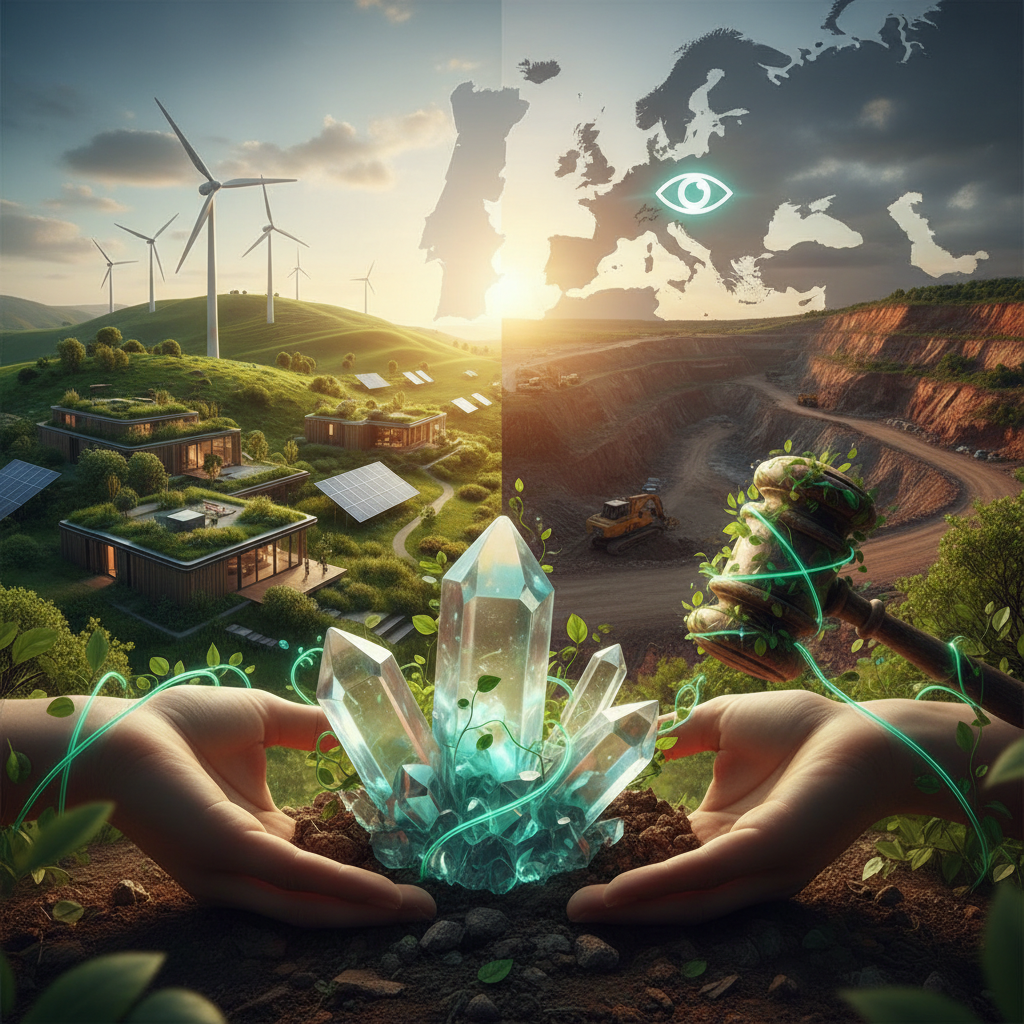
Key Takeaways
- The EU court is currently reviewing the 'strategic' status of Portugal's Barroso lithium mine.
- The mine is central to Europe's goal of securing lithium for EV batteries and clean tech.
- Local communities fear the mine will create a 'sacrifice zone' due to severe environmental and social impacts.
- EU officials previously upheld the mine's 'strategic' designation, leading to the current legal challenge.
- The court's decision will set a vital precedent for how Europe balances green transition with environmental protection and justice.
OPENING PARAGRAPH
The European Union is at a critical crossroads, grappling with the true cost of its clean energy ambitions. A landmark case before the EU court concerning a controversial lithium mine in northern Portugal is forcing an uncomfortable question: can we achieve a sustainable future without creating 'sacrifice zones' for local communities and ecosystems? This decision, unfolding right now, will set a precedent for how Europe balances its green transition with environmental justice.
TL;DR: Key Facts
- The EU court is currently reviewing the 'strategic' status of Portugal's Barroso lithium mine.
- The mine is crucial for Europe's lithium supply, vital for electric vehicle (EV) batteries and other clean technologies.
- Local communities and environmental groups label the mine area a potential 'sacrifice zone' due due to severe environmental and social impacts.
- EU officials previously upheld the mine's 'strategic' designation, intensifying the current legal challenge.
- The court's ruling will significantly influence future resource extraction projects for the green transition across Europe.
What Happened
At the heart of Europe's push for a green energy future lies a fundamental tension, currently encapsulated by a legal battle over the Barroso lithium mine in northern Portugal. The project, slated to be one of Europe's largest lithium extraction sites, is deemed strategically important by the European Union. Lithium is a critical component for electric vehicle batteries and other clean technologies, making secure domestic supply a priority for the EU's climate goals and industrial independence.
However, the proposed mine has sparked significant local opposition. Residents and environmental advocacy groups argue that the project would transform their region into a 'sacrifice zone'—an area heavily exploited for its resources, bearing severe environmental and social costs for the sake of broader economic or green objectives. Concerns include biodiversity loss, water contamination, landscape destruction, and the disruption of traditional agricultural livelihoods.
This dispute has escalated to the highest levels. EU officials previously affirmed the Barroso mine's 'strategic' status in November, a decision that has now been challenged before the EU court. The ongoing legal proceedings are poised to determine whether the environmental and social impacts highlighted by local communities outweigh the strategic necessity of the mine for the EU's clean energy transition. The court's ruling is highly anticipated, as it will establish a significant precedent for similar resource extraction projects across the continent.
Why It Matters
For readers of GreenNest Living, this case is more than just a dispute over a mine; it's a profound examination of what 'sustainable living' truly means in a world hungry for renewable energy. The Barroso lithium mine controversy forces us to confront the inconvenient truth that even green technologies have an environmental footprint. While electrifying our transport and energy grids is paramount for combating climate change, the ethical procurement of raw materials, such as lithium, is equally critical. This isn't just about 'out of sight, out of mind' extraction in far-off lands; it's happening right on Europe's doorstep, challenging the very definition of a just transition.
The concept of 'sacrifice zones' is antithetical to the principles of sustainable living. It implies that some communities and ecosystems are expendable for the greater good, a notion that perpetuates environmental injustice. A truly sustainable future demands solutions that don't merely shift environmental burdens but genuinely minimize them across the entire supply chain, from extraction to disposal. This case highlights the need for robust environmental impact assessments, genuine community consent, and investment in circular economy principles, such as battery recycling, to reduce our reliance on new mining.
Ultimately, the outcome of this court case will send a strong message about the EU's commitment to holistic sustainability. Will Europe prioritize a rapid, potentially destructive, path to green energy independence, or will it forge a more equitable and environmentally sound approach that respects local environments and communities? This decision will shape not only European policy but also the ethical frameworks by which we evaluate our individual consumption choices and advocate for true sustainability in a resource-intensive world.
What You Can Do
- Demand Ethical Sourcing: When purchasing electric vehicles or electronics, research companies' supply chains. Support brands committed to transparent, responsible, and low-impact material sourcing.
- Advocate for Circular Economy: Support policies and initiatives that promote battery recycling and urban mining to reduce the demand for virgin lithium extraction.
- Engage with Local Issues: Even if not directly affected, understand that local environmental battles have global implications. Follow news on resource extraction projects in your region or internationally and support environmental justice organizations.
- Educate Yourself: Learn about the full life cycle of green technologies, from raw material extraction to manufacturing, use, and disposal. Understand the trade-offs involved in different energy solutions.
- Vote for Green Policies: Support political candidates and parties that champion strong environmental regulations, community rights, and a truly just transition to renewable energy.
- Reduce Overall Consumption: The most effective way to lessen the impact of resource extraction is to reduce our overall consumption of goods, extending the lifespan of products, and embracing minimalism where possible.
FAQs
Q: What is lithium used for?
A: Lithium is a crucial component in rechargeable batteries, particularly those used in electric vehicles (EVs), smartphones, laptops, and grid-scale energy storage systems.
Q: What are 'sacrifice zones'?
A: 'Sacrifice zones' refer to geographical areas that are disproportionately burdened by environmental pollution or resource extraction activities, often with significant negative impacts on local communities and ecosystems, for the benefit of broader societal or economic goals.
Q: Does Europe have other lithium sources?
A: While the Barroso mine is significant, Europe is exploring other potential lithium deposits in countries like Germany, France, and Finland, as well as investing in advanced recycling technologies to recover lithium from used batteries.
Sources
This article is based on reporting by Euronews Green.
Original source
Euronews Green
Author, Digital Entrepreneur & AI Creator
More from Sustainable Living
- UK Women's Prize Highlights Literature's Crucial Role in a Greener Future — May 14, 2026
- Unearthing Wisdom: Islamic Philosophy's Green Insights — May 13, 2026
- Literature's Mirror: UK Prize Reflects on Sustainable Living — May 12, 2026
- Prague Fair Uncovers Regional Keys to a Greener Literary Future — May 11, 2026
- Comics & Graphic Novels: Driving Sustainable Stories in Eastern Europe — May 10, 2026