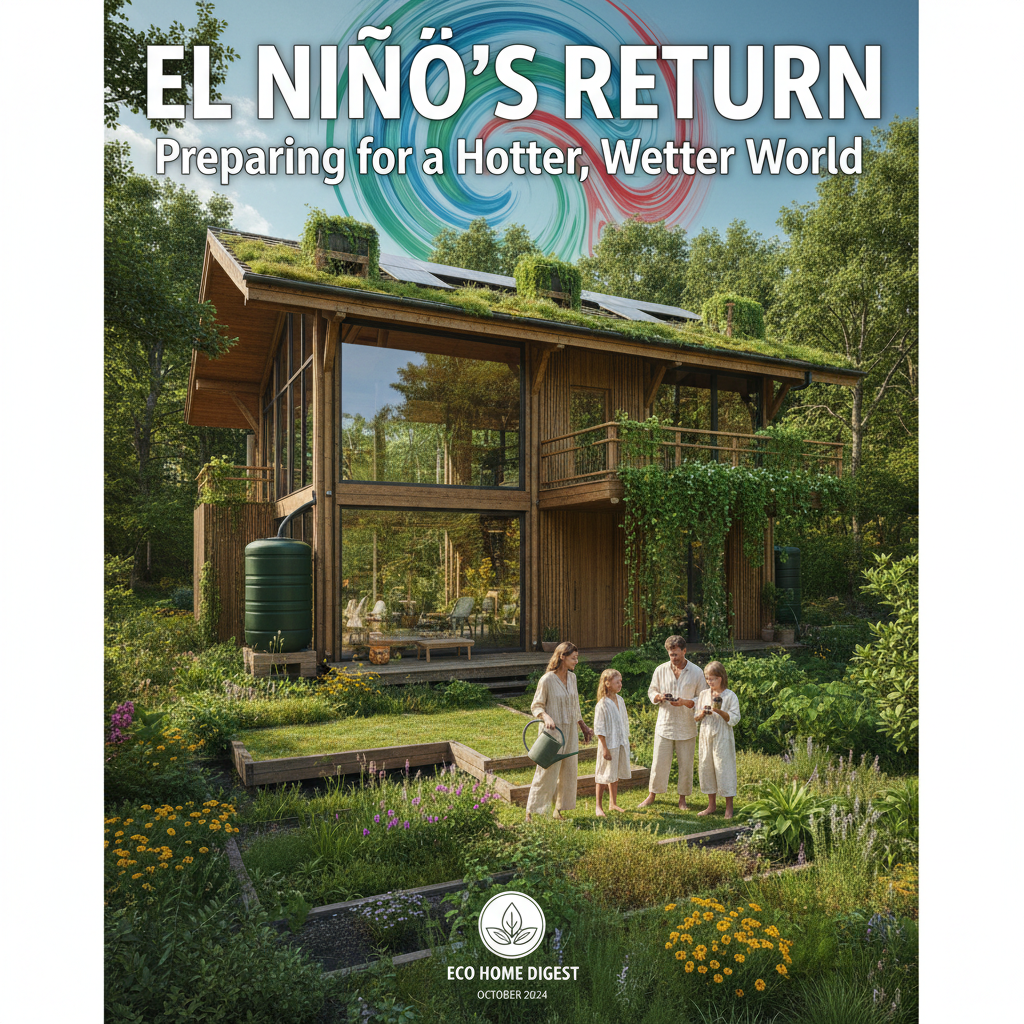
El Niño's Return: Preparing for a Hotter, Wetter World
Key Takeaways
- El Niño may return this year, potentially setting new temperature records.
- Its re-emergence could fuel extreme weather events globally.
- Scientists are assessing the certainty of its return and severity.
- This natural climate pattern exacerbates existing climate challenges.
- Preparation and sustainable practices are crucial for resilience.
A critical shift in global weather patterns is on the horizon, one that demands immediate attention from anyone invested in sustainable living. The anticipated return of El Niño this year isn't just another weather forecast; it's a stark warning that our planet could face unprecedented heat and extreme climatic events, further challenging our efforts towards environmental stability and resilience. For readers of GreenNest Living, this news underscores the urgency of understanding our climate and adapting our lifestyles.
TL;DR: Key Facts
- El Niño is likely to return this year, potentially driving global temperatures to new record highs.
- Its re-emergence could significantly intensify extreme weather phenomena worldwide, from severe droughts to heavy floods.
- The scientific community is currently evaluating the certainty and potential severity of this El Niño event.
- This natural climate cycle, when active, exacerbates the effects of ongoing climate change, making its return particularly concerning.
- Proactive measures and fortified sustainable practices are crucial to mitigate its impact and build community resilience.
What Happened
Recent reports highlight growing concerns among climate scientists about the potential return of El Niño, a significant climate pattern characterized by the warming of ocean surface temperatures in the central and eastern tropical Pacific Ocean. This phenomenon typically occurs every two to seven years, altering global weather by shifting atmospheric circulation and influencing temperature and precipitation patterns across continents. The current outlook suggests that El Niño could re-establish itself later this year, potentially bringing with it a wave of environmental challenges.
Should El Niño indeed return, the implications are substantial. Experts warn that its re-emergence could fuel an increase in extreme weather events globally. This translates to a heightened risk of severe droughts in some regions, leading to water scarcity and agricultural crises, while other areas could experience torrential rains, causing widespread flooding and landslides. Most critically, its influence is predicted to push global temperatures to record highs, adding another layer of complexity to the already critical issue of climate change. The precise certainty and severity of its return are still under scientific assessment, but the potential impact necessitates immediate consideration and preparation.
Why It Matters
For GreenNest Living readers, the potential return of El Niño isn't merely a meteorological curiosity; it's a profound wake-up call for sustainable living. This natural climatic phenomenon acts as an amplifier, intensifying the effects of human-induced climate change. When El Niño brings warmer ocean waters, it releases vast amounts of heat into the atmosphere, contributing to rising global temperatures that already threaten ecosystems, agriculture, and human health. This could mean more frequent and intense heatwaves, exacerbating energy demands for cooling and increasing the risk of wildfires, further stressing our planet's natural resources and infrastructure.
Furthermore, the extreme weather patterns associated with El Niño directly challenge the foundations of sustainable communities. Droughts jeopardize food security and water supplies, while floods devastate homes, farmlands, and critical infrastructure, often disproportionately affecting vulnerable populations. The ecological toll is immense, impacting biodiversity, altering marine ecosystems, and potentially accelerating species loss. Understanding this cycle and its amplified effects under a warming climate is crucial for us to strategically plan for resilience, advocate for stronger climate policies, and reinforce our commitment to eco-conscious choices in our daily lives.
This news compels us to shift from passive observation to active engagement. It highlights the interconnectedness of natural cycles and human impact, demonstrating that climate action is not an abstract concept but a practical necessity for safeguarding our planet and future generations. Every sustainable choice, from conserving water to reducing energy consumption, gains heightened importance in the face of such global climatic shifts.
What You Can Do
To prepare for and mitigate the impacts of a potential El Niño event and ongoing climate change, here’s an actionable checklist for sustainable living:
- Conserve Water Aggressively: Implement water-saving measures at home, such as low-flow fixtures, rainwater harvesting, and mindful landscaping with drought-resistant plants.
- Enhance Home Resilience: Prepare for extreme weather by sealing windows, ensuring proper drainage around your property, and having an emergency kit ready for potential heatwaves, floods, or power outages.
- Support Local, Sustainable Agriculture: Prioritize purchasing food from local farmers who employ sustainable, climate-resilient practices. This strengthens local food systems against climate shocks.
- Reduce Your Carbon Footprint: Continue or increase efforts to lower your energy consumption, utilize renewable energy sources, and choose sustainable transportation options to slow climate change.
- Educate and Advocate: Stay informed about climate science and policy. Use your voice to advocate for stronger environmental protections and climate adaptation strategies within your community and at a broader level.
- Practice Community Preparedness: Connect with neighbors and local organizations to develop community-level resilience plans, share resources, and support vulnerable populations during extreme weather events.
FAQs
Q: What exactly is El Niño?
A: El Niño is a natural climate pattern characterized by the periodic warming of sea surface temperatures in the central and eastern tropical Pacific Ocean, which can have significant global impacts on weather patterns, leading to extreme events like droughts, floods, and temperature extremes.
Q: How does El Niño relate to climate change?
A: While El Niño is a natural cycle, climate change can exacerbate its effects. Warmer baseline global temperatures mean that when an El Niño occurs, the resulting temperature spikes are likely to be even higher, potentially setting new records and intensifying associated extreme weather events.
Q: What specific impacts should I expect if El Niño returns this year?
A: Specific impacts vary by region, but globally you could expect increased risk of heatwaves, more severe droughts in some areas, heavier rainfall and flooding in others, and a general elevation of global average temperatures to potentially record-breaking levels.
Sources
This article is based on reporting by Publishing Perspectives.
Original source
Publishing Perspectives
Author, Digital Entrepreneur & AI Creator
More from Sustainable Living
- UK Women's Prize Highlights Literature's Crucial Role in a Greener Future — May 14, 2026
- Unearthing Wisdom: Islamic Philosophy's Green Insights — May 13, 2026
- Literature's Mirror: UK Prize Reflects on Sustainable Living — May 12, 2026
- Prague Fair Uncovers Regional Keys to a Greener Literary Future — May 11, 2026
- Comics & Graphic Novels: Driving Sustainable Stories in Eastern Europe — May 10, 2026