EU Court Weighs Portugal Lithium Mine: Green Future vs. Local Cost
Key Takeaways
- An EU court is reviewing the legal status of Portugal’s Barroso lithium mine.
- EU officials previously classified the mine as 'strategic' despite environmental concerns.
- The mine is vital for Europe's lithium supply, crucial for EV batteries and renewable energy storage.
- Opponents fear the mine will create a 'sacrifice zone,' devastating local ecosystems and livelihoods.
- The case highlights the global dilemma of balancing green transition needs with local environmental and social protection.
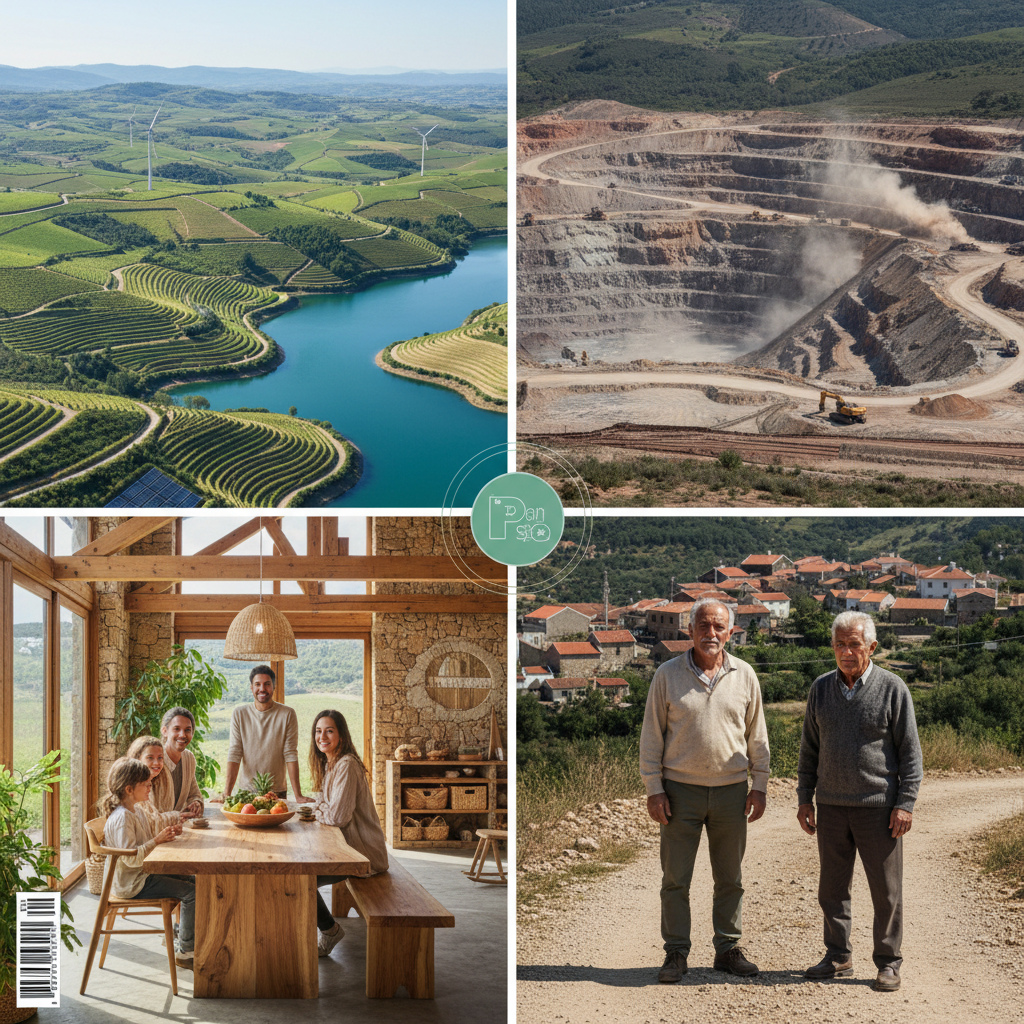
The promise of a green energy future often comes with a hidden cost, and nowhere is this more evident than in a pivotal case before the EU court. A decision is pending on whether a major lithium mine in northern Portugal will proceed, forcing us to confront the difficult trade-offs between essential resource extraction for electric vehicles and battery storage, and the irreparable damage to local ecosystems and communities.
TL;DR: Key Facts
- An EU court is reviewing the legal status of the Barroso lithium mine in northern Portugal.
- EU officials previously refused to strip the mine of its ‘strategic’ status, despite significant environmental concerns.
- The mine is crucial for Europe's supply of lithium, a key component for electric vehicle batteries and renewable energy storage.
- Critics label the proposed site a "sacrifice zone," fearing extensive environmental degradation and disruption of traditional livelihoods.
- The case highlights the growing tension between rapid green energy transition and the imperative for local environmental protection and social equity.
What Happened
The Barroso lithium mine project, spearheaded by UK-based Savannah Resources, targets a significant deposit of lithium in northern Portugal. This region is critical for the European Union's ambition to become a global leader in electric vehicle production and battery technology, aiming to reduce its reliance on external suppliers for vital raw materials. The EU's designation of the mine as 'strategic' in November reflects this overarching industrial policy, aiming to fast-track its development to secure domestic supply chains for the green transition.
However, this strategic imperative clashes directly with local realities. Residents of the Barroso region, alongside environmental organizations, have voiced strenuous objections. They argue that the open-pit mine would lead to irreversible environmental damage, including the contamination of water sources, destruction of agricultural land vital for local livelihoods, and significant loss of biodiversity. The area is known for its unique natural heritage and traditional farming practices, which opponents fear will be irrevocably altered, transforming their home into what they critically label a 'sacrifice zone' for broader European interests.
The current legal challenge before the EU General Court is therefore not merely a procedural hurdle but a profound test of the EU's commitment to both its environmental pledges and its green industrial strategy. The court's decision will determine whether the 'strategic' designation, which grants certain development advantages, can stand in the face of intense local opposition and environmental concerns. The outcome will inevitably influence how similar resource extraction projects are assessed and managed across the continent, shaping the future landscape of Europe's sustainable development efforts.
Why It Matters
For GreenNest Living readers, this case is not just about a mine in Portugal; it’s a potent symbol of the global dilemma inherent in the green transition. While we passionately champion sustainable living – advocating for electric vehicles, renewable energy, and reducing our carbon footprint – these very solutions are deeply dependent on finite, often controversially sourced, materials like lithium. The Barroso mine exposes a crucial, uncomfortable question: are we truly building a regenerative future, or are we simply shifting environmental and social impacts from fossil fuel extraction to new forms of resource exploitation?
This issue compels us to critically examine the entire lifecycle of our sustainable solutions, from raw material extraction to manufacturing, use, and end-of-life recycling. The term 'sacrifice zones' sharply contradicts the core tenets of sustainable living, which espouses holistic well-being for both people and planet, advocating for equitable and ecologically sound practices. A truly sustainable approach must prioritize circular economy principles – radically reducing demand for new resources, reusing materials, and rigorously recycling – while simultaneously investing in ethical, low-impact extraction methods that respect local ecosystems, biodiversity, and community rights. The rush for critical minerals must not override our commitment to environmental justice and stewardship.
Furthermore, the Barroso case powerfully underscores the indispensable role of local activism and community involvement in shaping environmental decisions. Sustainable living extends beyond individual consumption choices; it demands active participation in advocating for systemic change, ensuring transparency, and holding corporations and governments accountable. It means guaranteeing that the pursuit of broader environmental goals, such as mitigating climate change, does not disproportionately burden or disenfranchise vulnerable communities. This situation calls for a profound commitment to environmental justice, innovative technological solutions, and genuine dialogue as we navigate the complex, often contradictory, pathways to a truly green and equitable future.
What You Can Do
- Educate Yourself: Research the origins and environmental impact of the materials in your electronics, especially batteries. Understand the concept of 'critical minerals' and their supply chain challenges.
- Support Circular Economy Initiatives: Advocate for and participate in recycling programs for electronic waste (e-waste). Choose products designed for longevity, repair, and eventual recycling.
- Demand Ethical Sourcing: When purchasing electronics or electric vehicles, inquire about the company's commitment to ethical and sustainable sourcing of raw materials. Look for certifications or transparency reports.
- Advocate for Policy Change: Contact your local and national representatives to express your support for stricter environmental regulations on mining, robust impact assessments, and fair compensation for affected communities.
- Reduce Consumption: Consider if you truly need the latest gadget or vehicle. Extending the life of your existing devices reduces the demand for new resource extraction.
- Support Local Activism: If you're passionate about a specific environmental cause, seek out and support local or international organizations working on responsible mining practices and protecting vulnerable ecosystems.
FAQs
Q: What is lithium primarily used for?
A: Lithium is a key component in rechargeable batteries for electric vehicles, laptops, smartphones, and large-scale energy storage systems for renewable power grids.
Q: What are 'sacrifice zones'?
A: 'Sacrifice zones' are areas, often inhabited by marginalized communities, that are heavily polluted or environmentally degraded due to industrial activities like mining, often for the benefit of broader economic or energy goals.
Q: How does this relate to my sustainable lifestyle?
A: Your sustainable choices, such as adopting electric vehicles or solar power, rely on resources like lithium. This case highlights the importance of ensuring these resources are sourced ethically and with minimal environmental and social impact, prompting a deeper look into the supply chains of green technologies.
Sources
This article is based on reporting by Euronews Green.
Original source
Euronews Green
Author, Digital Entrepreneur & AI Creator
More from Sustainable Living
- UK Women's Prize Highlights Literature's Crucial Role in a Greener Future — May 14, 2026
- Unearthing Wisdom: Islamic Philosophy's Green Insights — May 13, 2026
- Literature's Mirror: UK Prize Reflects on Sustainable Living — May 12, 2026
- Prague Fair Uncovers Regional Keys to a Greener Literary Future — May 11, 2026
- Comics & Graphic Novels: Driving Sustainable Stories in Eastern Europe — May 10, 2026