Hear Clearly, Think Sharply: Protecting Your Brain from Noise
Key Takeaways
- Early hearing loss can significantly impact long-term brain health.
- Hearing is a brain-level process; subtle changes increase cognitive load.
- Environmental noise pollution in homes contributes to auditory damage.
- Proactive screening and treatment are crucial for preserving hearing and cognition.
- Designing quiet, acoustically balanced homes supports holistic well-being.
In our increasingly noisy world, it’s easy to dismiss minor changes in our hearing as a natural part of aging or just a temporary annoyance. However, new insights from experts are drawing a critical link between subtle, early signs of hearing loss and our long-term brain health, urging us to pay closer attention to this often-overlooked sensory input.
This isn't just about turning up the TV; it's about safeguarding cognitive function and recognizing that our sensory environment profoundly impacts our overall well-being, both inside and outside our sustainable homes.
TL;DR: Key Facts
- Early signs of hearing loss, even if subtle, can be linked to cognitive decline and brain health issues.
- Hearing loss isn't solely about volume; it involves the brain's ability to process sound.
- Overlooking or delaying treatment for hearing loss can have long-term neurological consequences.
- Environmental factors, including noise pollution, contribute significantly to hearing health.
- Proactive measures and early intervention are crucial for preserving both hearing and brain function.
What Happened
According to experts featured in "The Healthy," hearing loss is far more complex than just a reduction in the ability to perceive loud sounds. They emphasize that even the earliest, often dismissed, symptoms can signal underlying issues that could eventually affect brain function. These symptoms might include difficulty understanding conversations in noisy environments, frequently asking people to repeat themselves, or perceiving sounds as muffled.
The core message is that hearing is not just an ear-level phenomenon; it's a brain-level process. When the auditory system doesn't receive clear signals, the brain has to work harder to interpret sounds, which can divert cognitive resources away from other crucial functions like memory and attention. This increased cognitive load, over time, can contribute to accelerated cognitive decline. Experts advocate for prompt evaluation and treatment, highlighting that addressing hearing loss early could be a vital step in maintaining overall brain health.
Why It Matters
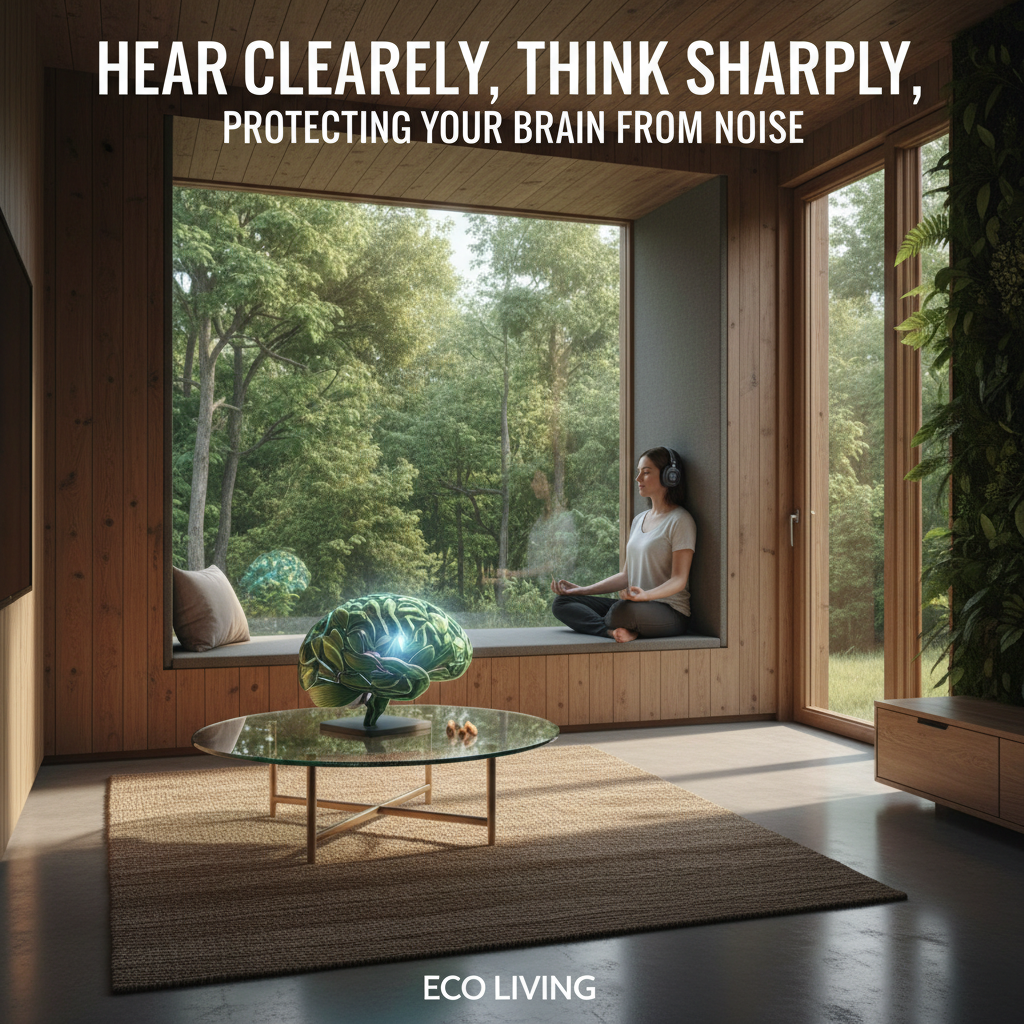
For GreenNest Living readers, this news isn't just a health alert; it's a vital connection to our "Eco Home" philosophy. Our homes are meant to be sanctuaries – places where we thrive, not just survive. Constant exposure to noise pollution, whether from traffic, loud appliances, or poor acoustic design, is an environmental factor that directly impacts our auditory health, and by extension, our cognitive well-being. A truly sustainable home nurtures all aspects of its inhabitants' health, and that includes creating a quiet, calming environment conducive to healthy hearing and brain function.
Moreover, embracing early detection and treatment for hearing loss aligns perfectly with the proactive, preventative ethos of sustainable living. Just as we invest in energy-efficient systems to prevent environmental degradation, we should invest in our sensory health to prevent cognitive decline. Thinking sustainably extends to how we manage our personal health, recognizing the interconnectedness of our bodies and our environment. This includes making conscious choices about product noise levels, home insulation, and even the design of our living spaces to promote a sound-healthy lifestyle.
What You Can Do
- Assess Your Home's Noise Levels: Use a sound meter app on your phone to measure ambient noise. Identify sources of excessive noise and consider solutions like sound-dampening curtains, double-pane windows, or quieter appliances.
- Protect Your Ears Proactively: Wear earplugs or noise-canceling headphones when exposed to loud environments (concerts, power tools, lawnmowers). Teach children about noise protection early.
- Schedule Regular Hearing Check-ups: Don't wait for noticeable problems. Just like eye exams, regular hearing tests can detect subtle changes early, allowing for timely intervention.
- Optimize Your Home Acoustics: Incorporate soft furnishings, rugs, and bookshelves to absorb sound. Proper insulation can also significantly reduce external noise penetration.
- Embrace Quiet Time: Designate specific periods each day for silence or soft, calming sounds (nature sounds, soft music) to give your auditory system a break and promote mental clarity.
- Choose Sustainable, Quieter Appliances: When replacing home appliances, look for models with low decibel ratings. Many eco-friendly options are designed with noise reduction in mind.
Ciro's Take
This insight into the profound link between hearing and brain health resonates deeply with me. As an environmental advocate, I’ve long focused on visible pollutants, but this highlights an invisible threat: noise. Our quest for sustainable living must extend to creating sensory-friendly environments. It's not enough to build with recycled materials if the constant hum of city life or inefficient home design silently erodes our cognitive vitality. Prioritizing a peaceful, acoustically balanced home isn't just a luxury; it's a foundational element of holistic well-being and a testament to truly thoughtful, sustainable design.
FAQs
Q: What are some early, often overlooked, signs of hearing loss?
A: Beyond difficulty hearing loud sounds, early signs can include struggling to follow conversations in background noise, feeling like others are mumbling, needing to turn up the TV volume significantly, or experiencing ringing in your ears (tinnitus).
Q: How does noise pollution at home contribute to hearing loss?
A: Chronic exposure to moderate-to-loud noise, even if it doesn't immediately cause pain, can gradually damage the delicate hair cells in your inner ear over time. This cumulative damage can lead to permanent hearing loss and increase the brain's cognitive load.
Q: Are there specific eco-friendly home design choices that can help protect hearing?
A: Yes! Incorporating natural sound-absorbing materials like cork flooring, wool rugs, and thick curtains; choosing energy-efficient appliances with low decibel ratings; and investing in good quality insulation can all create a quieter, more acoustically comfortable home environment.
Sources
This article is based on reporting by The Healthy.
Original source
The Healthy
Author, Digital Entrepreneur & AI Creator
More from Eco Home
- Unseen Signals: Morales on Early Alzheimer's Signs — May 21, 2026
- Essential Meds Recalled: Eco-Health & Home Safety Alert — May 20, 2026
- Spice Safety Alert: Salmonella Recall & Your Eco-Friendly Kitchen — May 19, 2026
- Smart Eco Choices: Separating Biohack Hype from Health Truth — May 18, 2026