Heat Threatens EV Batteries: A Climate Challenge for EVs
Key Takeaways
- Rising temperatures accelerate EV battery degradation.
- This impacts EV lifespan, performance, and consumer confidence.
- Technological solutions like advanced cooling are urgently needed.
- Battery longevity is vital for EV's environmental and economic viability.
- Consumers can take steps to protect their EV batteries from heat.
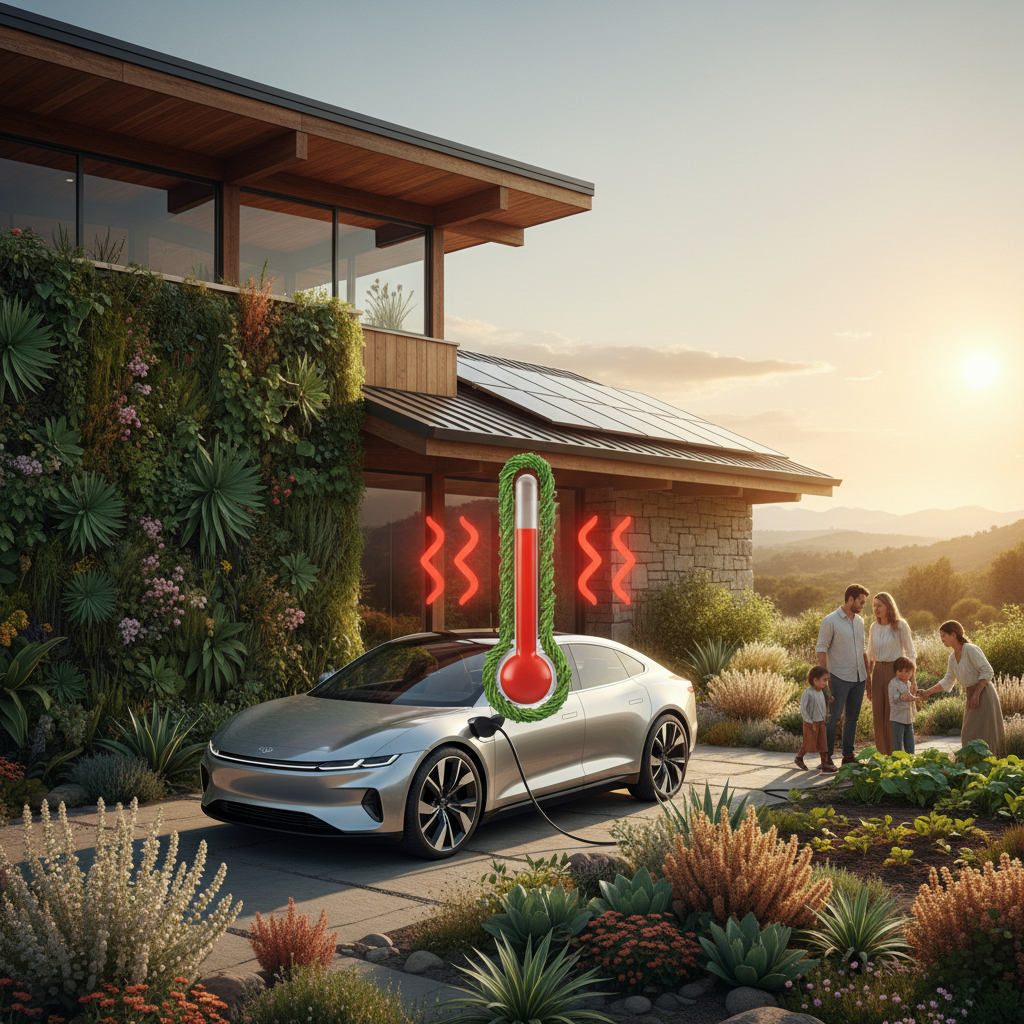
As the planet continues to warm, a surprising threat is emerging for one of our most promising climate solutions: electric vehicles (EVs). New reports indicate that rising temperatures are significantly accelerating the degradation of EV batteries, directly impacting their lifespan and performance. This isn't just a technical glitch; it's a critical environmental concern that demands immediate attention from manufacturers, consumers, and policymakers alike, threatening to undermine the very purpose of transitioning to electric transport.
TL;DR: Key Facts
- Rising global temperatures, a consequence of climate change, are actively reducing the lifespan and efficiency of electric vehicle (EV) batteries.
- Heat accelerates the chemical reactions within batteries, leading to faster degradation and diminished capacity over time.
- This challenge poses a significant 'make-or-break' issue for individuals considering making the switch to EVs, impacting consumer confidence and adoption rates.
- Technological innovations in battery materials, thermal management systems, and charging infrastructure are urgently needed to mitigate heat-related damage.
- The long-term sustainability of the EV revolution hinges on effectively addressing battery longevity in a warming world.
What Happened
The news highlights a critical vulnerability in the widespread adoption of electric vehicles: their batteries are susceptible to accelerated degradation in warmer climates. Climate change is leading to more frequent and intense heatwaves globally, and these elevated temperatures are not just making us uncomfortable; they're impacting the core technology of our sustainable future.
Specifically, the chemical processes inside lithium-ion batteries, which power most EVs, are highly sensitive to temperature. Prolonged exposure to high heat causes these reactions to speed up, leading to a faster breakdown of internal components, reduced energy capacity, and a shorter overall lifespan for the battery pack. This isn't an obscure theoretical problem; it's a real-world issue that can translate into higher replacement costs for consumers and increased demand for new battery manufacturing, creating a cycle that could negate some of the environmental benefits EVs promise.
The report suggests this challenge is becoming a significant factor for potential EV owners, presenting a 'make-or-break' scenario for those weighing the environmental benefits against the practical longevity and cost of an electric vehicle. Without robust solutions, the very climate conditions that EVs are designed to combat could impede their success.
Why It Matters
For readers of GreenNest Living, this isn't just about car maintenance; it's about the integrity of our sustainable transition. Electric vehicles are a cornerstone of global efforts to decarbonize transportation, reducing air pollution and greenhouse gas emissions. However, if their primary power source—the battery—is significantly compromised by rising temperatures, it creates a concerning paradox: the solution is being undermined by the problem it's designed to solve. This issue casts a shadow over the long-term environmental and economic viability of the EV revolution.
Beyond individual vehicle performance, accelerated battery degradation has broader implications for resource consumption and waste management. Shorter battery lifespans mean more frequent replacements, leading to increased demand for raw materials like lithium, cobalt, and nickel, which have their own environmental and ethical challenges. It also increases the volume of end-of-life batteries that need to be recycled or disposed of, adding pressure to already strained waste management systems. Ensuring battery longevity is therefore crucial for minimizing the environmental footprint of EVs across their entire lifecycle.
Ultimately, this challenge underscores the complex, interconnected nature of climate solutions. It highlights the urgent need for continuous innovation in battery technology, focusing not just on range and charging speed, but also on durability and resilience in extreme conditions. For GreenNest Living, this means empowering our readers with knowledge about these complexities and advocating for technologies that truly deliver on the promise of a sustainable future, without hidden environmental trade-offs.
What You Can Do
While manufacturers work on long-term solutions, here are actionable steps EV owners and prospective buyers can take:
- Prioritize Shaded Parking: Whenever possible, park your EV in a garage or under shade to keep the battery pack cooler, especially during hot summer months.
- Utilize Pre-conditioning: If your EV has a pre-conditioning feature, use it to cool down or warm up the cabin and battery while still plugged in, minimizing battery strain during the drive.
- Avoid Extreme Charging/Discharging: Try to keep your battery charge between 20% and 80% for daily use. Avoid routinely charging to 100% or letting it drop below 20%, particularly in hot weather, as these extremes can stress the battery.
- Moderate Fast Charging: While convenient, frequent DC fast charging generates more heat. In hot climates, use it sparingly and opt for slower Level 2 charging when time permits.
- Monitor Battery Health: Use your EV's onboard diagnostics or third-party apps to monitor your battery's state of health and temperature. Early detection of issues can lead to better management.
- Advocate for Innovation: Support companies and policies that prioritize research and development into advanced battery cooling systems, solid-state batteries, and sustainable battery materials.
FAQs
Q: How does heat specifically damage EV batteries?
A: High temperatures accelerate internal chemical reactions, leading to the formation of unwanted solid electrolyte interphase (SEI) layers, lithium plating, and general degradation of the electrode materials, all of which reduce battery capacity and power.
Q: Are all EV batteries equally affected by heat?
A: Not entirely. While all lithium-ion batteries are sensitive to heat, different chemistries (e.g., LFP vs. NMC) and sophisticated thermal management systems employed by manufacturers can offer varying degrees of resilience. Generally, more advanced cooling systems help mitigate the effects.
Q: What are manufacturers doing to address this problem?
A: EV manufacturers are investing heavily in advanced battery cooling systems (liquid cooling being common), optimizing battery management software to regulate temperature, and exploring new battery chemistries that are more tolerant to heat. Research into solid-state batteries also aims to improve thermal stability.
Sources
This article is based on reporting by Publishing Perspectives.
Original source
Publishing Perspectives
Author, Digital Entrepreneur & AI Creator
More from Sustainable Living
- UK Women's Prize Highlights Literature's Crucial Role in a Greener Future — May 14, 2026
- Unearthing Wisdom: Islamic Philosophy's Green Insights — May 13, 2026
- Literature's Mirror: UK Prize Reflects on Sustainable Living — May 12, 2026
- Prague Fair Uncovers Regional Keys to a Greener Literary Future — May 11, 2026
- Comics & Graphic Novels: Driving Sustainable Stories in Eastern Europe — May 10, 2026