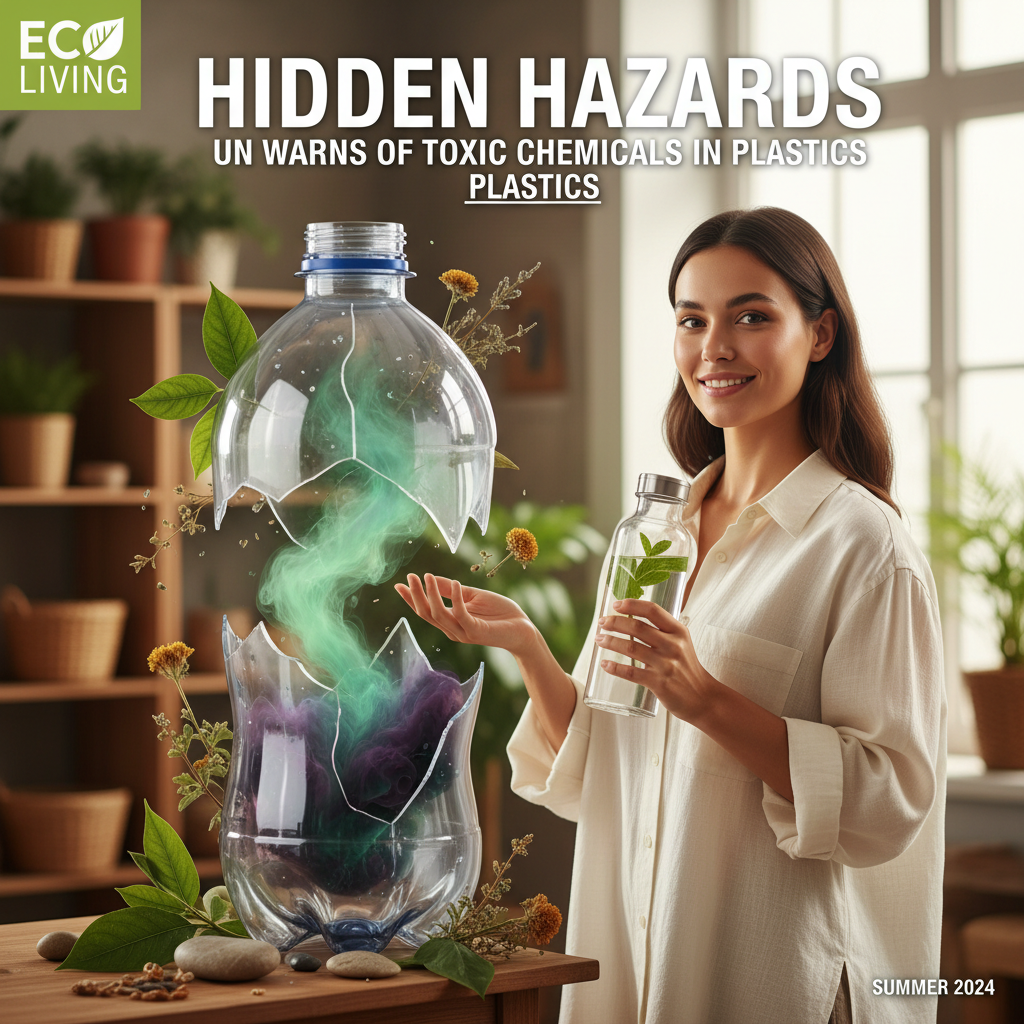
Hidden Hazards: UN Warns of Toxic Chemicals in Plastics
Key Takeaways
- Thousands of chemicals, many of them hazardous, are deliberately added to plastics or form during manufacturing.
- A significant number of these chemicals are known to be toxic, posing risks to human health and the environment.
- There's a concerning lack of transparency regarding the specific chemicals used in plastic production, hindering assessment and regulation.
- The report underscores compelling scientific evidence, urging immediate and comprehensive global action to address chemicals in plastics.
- This issue is presented as a critical component of the broader fight against plastic pollution.
Plastic is ubiquitous in our lives, from food packaging to clothing, but a critical new report from the United Nations Environment Programme (UNEP) is shining a spotlight on a hidden danger: the chemicals embedded within these materials. This isn't just about visible plastic pollution; it’s about a pervasive, invisible threat to our health and the planet that demands our immediate attention and a profound shift in how we produce and consume plastics.
TL;DR: Key Facts
- Thousands of chemicals, many of them hazardous, are deliberately added to plastics or form during manufacturing.
- A significant number of these chemicals are known to be toxic, posing risks to human health and the environment.
- There's a concerning lack of transparency regarding the specific chemicals used in plastic production, hindering assessment and regulation.
- The report underscores compelling scientific evidence, urging immediate and comprehensive global action to address chemicals in plastics.
- This issue is presented as a critical component of the broader fight against plastic pollution.
What Happened
UNEP has released a comprehensive document titled “Chemicals in Plastics – A Technical Report.” This report meticulously compiles the current state of knowledge regarding the vast array of chemicals found within plastic products globally. It moves beyond just the plastic polymers themselves to examine the thousands of additives, processing aids, and other substances that are incorporated into plastics at various stages of their lifecycle.
The core message of the report is unequivocal: there is compelling scientific evidence demonstrating that many of these chemicals are inherently hazardous. They pose significant risks not only to human health, through exposure in daily life, but also to ecosystems worldwide. The report functions as a critical alert, advocating for urgent, concerted action on a global scale to manage and mitigate the risks associated with these chemicals, integrating this effort directly into the broader strategy to combat plastic pollution.
Why It Matters
For those committed to sustainable living, this report is a stark reminder that our environmental challenges are often multi-layered. It's not enough to simply reduce plastic waste; we must also critically examine the very composition of the plastics we interact with daily. The chemicals identified in this report can leach out of products, contaminating our food, water, and even the air we breathe. This silent leaching can have profound implications for human health, including endocrine disruption, reproductive issues, developmental problems, and an increased risk of certain cancers, particularly affecting vulnerable populations like children.
Beyond our personal health, these chemicals pose an immense threat to the environment. When plastics degrade into micro- and nanoplastics, they carry these embedded toxins into our soils, oceans, and even the deepest parts of our planet. Marine life ingests these particles, introducing hazardous chemicals into the food web, with potential cascading effects on biodiversity and ecosystem function. This report elevates the conversation from visible litter to the invisible chemical footprint of plastic, challenging us to consider the full lifecycle impact of these materials.
Understanding the dangers of chemicals in plastics empowers GreenNest Living readers. It transforms a seemingly simple choice at the grocery store into an informed decision about health and environmental stewardship. It highlights the urgent need for transparency from manufacturers and robust regulation from governments, ensuring that the burden of safety doesn't fall solely on the consumer. Embracing truly sustainable living means advocating for a world where the materials we use are not only recyclable but also non-toxic from their inception.
What You Can Do
- Reduce Plastic Consumption: Prioritize avoiding single-use plastics like packaging, bags, and disposable cutlery. Opt for reusable alternatives.
- Choose Plastic-Free Alternatives: Whenever possible, select products packaged in glass, stainless steel, ceramic, or cardboard.
- Inspect Plastic Codes: While not a perfect solution, try to avoid plastics with recycling codes 3 (PVC), 6 (PS), and 7 (other, often includes BPA-containing polycarbonates).
- Store Food Safely: Use glass or stainless steel containers for food storage instead of plastic, especially when heating food, as heat can accelerate chemical leaching.
- Support Responsible Brands: Seek out companies that are transparent about their material sourcing and commit to using safer, non-toxic alternatives to conventional plastics.
- Advocate for Change: Support policies and organizations pushing for stronger regulations, mandatory ingredient transparency, and innovative, safe material solutions.
FAQs
Q: Are all plastics dangerous due to chemicals?
A: While not all plastic polymers themselves are inherently hazardous, the report focuses on the thousands of additives (like plasticizers, flame retardants, and colorants) and impurities that are commonly used and often linked to health and environmental risks.
Q: How do these chemicals typically affect human health?
A: Exposure to these chemicals, often through leaching into food or water, can interfere with hormonal systems (endocrine disruption), impact development, reproduction, and potentially contribute to chronic diseases and cancers.
Q: Does recycling solve the problem of chemicals in plastics?
A: Recycling helps manage plastic waste, but it doesn't remove hazardous chemicals already embedded in the material. Recycled plastics can still contain these chemicals, and the recycling process itself can sometimes create new contaminants or challenges in ensuring material safety for new products.
Sources
This article is based on reporting by UNEP News, specifically referencing the "Chemicals in Plastics - A Technical Report."
Original source
UNEP News
Author, Digital Entrepreneur & AI Creator
More from Sustainable Living
- UK Women's Prize Highlights Literature's Crucial Role in a Greener Future — May 14, 2026
- Unearthing Wisdom: Islamic Philosophy's Green Insights — May 13, 2026
- Literature's Mirror: UK Prize Reflects on Sustainable Living — May 12, 2026
- Prague Fair Uncovers Regional Keys to a Greener Literary Future — May 11, 2026
- Comics & Graphic Novels: Driving Sustainable Stories in Eastern Europe — May 10, 2026