Lithium Mine Ruling: Is Green Energy Worth 'Sacrifice Zones'?
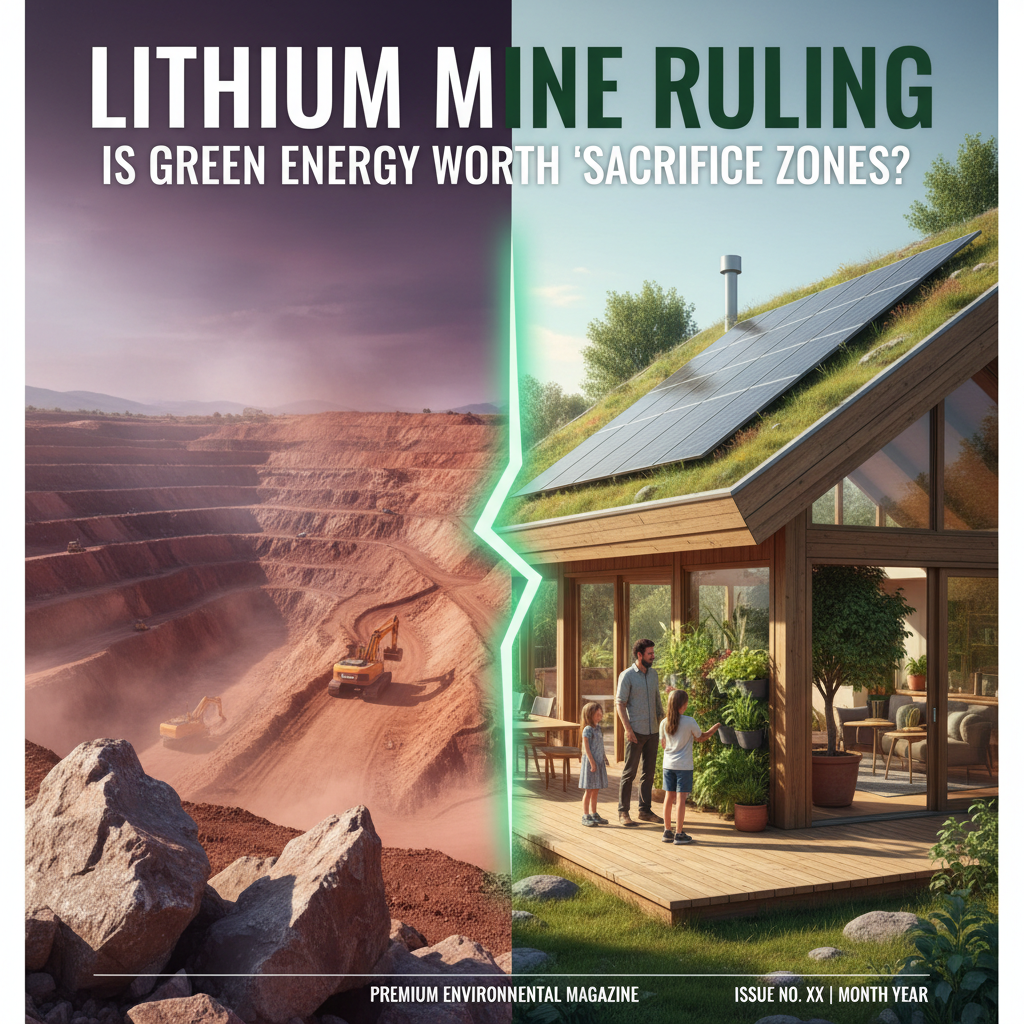
Key Takeaways
- An EU court is reviewing the 'strategic' status of Portugal's Barroso lithium mine.
- The 'strategic' designation aims to fast-track the mine, vital for EU's green transition goals.
- Local communities and environmental groups fear devastation to ecosystems and traditional lifestyles.
- Lithium is crucial for electric vehicles and renewable energy storage.
- The case highlights the tension between green tech demand and environmental protection.
OPENING PARAGRAPH
As the world races towards a clean energy future, the hidden costs of this transition are increasingly coming into sharp focus. A pivotal court case in Portugal is currently challenging the very foundation of Europe's green ambitions, forcing us to confront whether our quest for electric vehicles and renewable energy storage is inadvertently creating 'sacrifice zones' that undermine the principles of sustainable living.
This case isn't just about a mine; it's about the uncomfortable truth that lies beneath our technological advancements and what we're willing to sacrifice in the name of progress.
TL;DR: Key Facts
- The EU Court of Justice is weighing a challenge against the Portuguese government's decision to maintain the Barroso lithium mine's 'strategic' status.
- This 'strategic' designation, granted by the EU, streamlines the mine's approval process and signals its importance to Europe's green transition, despite local opposition.
- Local communities and environmental groups argue the mine will devastate local ecosystems, water resources, and traditional ways of life in the Barroso region, a UNESCO-recognised agricultural heritage site.
- Lithium is a critical component for electric vehicle batteries and renewable energy storage, making its supply crucial for the EU's climate goals.
- The case highlights the growing tension between the urgent need for raw materials for green technology and the protection of local environments and communities.
What Happened
At the heart of this unfolding environmental drama is the Barroso lithium mine, located in northern Portugal. This project, spearheaded by the British company Savannah Resources, aims to extract a significant amount of lithium, a vital element for the batteries powering electric vehicles and storing renewable energy. In November, EU officials solidified the mine's importance by refusing to strip it of its 'strategic' status, a designation that aims to fast-track its development by highlighting its crucial role in Europe's green energy transition and reducing reliance on foreign imports.
However, this 'strategic' label is fiercely contested by local residents and environmental activists. They argue that the mine's operations will irrevocably damage the unique landscape and delicate ecosystems of the Barroso region, which holds a UNESCO recognition for its traditional agricultural heritage. The potential impacts include significant water contamination, habitat destruction, and a drastic alteration of the rural way of life that has sustained these communities for generations. The current legal challenge before the EU Court of Justice represents a critical attempt to reverse the EU's decision and force a deeper consideration of these environmental and social costs.
The legal proceedings have become a focal point for environmental justice, as they pit the immediate economic and strategic interests of the EU against the long-term ecological and social well-being of a specific region. The outcome of this case could set a precedent for how Europe balances its ambitious climate goals with its commitments to environmental protection and community rights, especially in areas designated as vital for raw material extraction.
Why It Matters
For GreenNest Living readers, this story isn't just a distant news report; it's a stark reminder of the complex ethical dilemmas embedded in our pursuit of a sustainable lifestyle. While we champion electric vehicles and renewable energy, this case compels us to look beyond the tailpipe emissions and kilowatt-hours, and consider the entire supply chain. It forces us to ask: what – or who – are we designating as a 'sacrifice zone' to achieve our green goals? The Barroso mine exemplifies a critical point of tension where global environmental imperatives clash directly with local environmental justice and community rights.
This issue matters deeply because it exposes the uncomfortable truth that not all 'green' solutions are created equal, and the pathway to sustainability can be fraught with unintended consequences. The demand for critical minerals like lithium is skyrocketing, and without robust ethical sourcing and production standards, we risk simply shifting environmental burdens from one part of the world to another, or from urban centers to rural communities. This isn't true sustainability; it's a form of green colonialism, where the benefits are enjoyed globally while the costs are borne locally. Understanding these trade-offs is crucial for making truly informed and responsible choices as consumers and advocates.
Furthermore, the EU's role in this decision highlights the immense power of policy and investment in shaping our environmental future. By designating a mine as 'strategic,' the EU sends a clear signal about its priorities. The court's ruling will therefore not only impact the Barroso region but could also influence future decisions regarding other critical raw material projects across the continent. It challenges us all to demand greater transparency, accountability, and a more holistic approach to sustainable development that truly values ecological integrity and social equity alongside economic growth and technological advancement.
What You Can Do
- Research Your Green Tech: Before purchasing electric vehicles, smartphones, or other tech, look into the brand's commitment to ethical sourcing of minerals like lithium, cobalt, and rare earths. Support companies with transparent supply chains and third-party certifications.
- Advocate for Stronger Regulations: Contact your elected representatives to express your support for policies that mandate responsible mining practices, environmental impact assessments, and fair compensation for communities affected by resource extraction, both domestically and internationally.
- Support Local Environmental Groups: Seek out and contribute to organizations working on the ground to protect communities and ecosystems from destructive mining practices. Even small donations or sharing their work can make a difference.
- Demand Circular Economy Solutions: Advocate for and support initiatives that promote recycling, reuse, and repair of electronics and batteries. Reducing the demand for new raw materials is key to minimizing mining impacts.
- Engage in Conscious Consumption: Consider whether you truly need the latest gadget or if your current devices can be repaired or used longer. Every purchase has an environmental footprint; mindful consumption helps reduce it.
- Educate Yourself and Others: Stay informed about the environmental and social impacts of the materials used in everyday products. Share this knowledge with friends and family to foster broader awareness and action.
FAQs
Q: What is lithium primarily used for?
A: Lithium is a key component in rechargeable batteries, particularly lithium-ion batteries, which power electric vehicles, smartphones, laptops, and energy storage systems for renewable energy grids.
Q: What does 'strategic status' for a mine mean in the EU?
A: 'Strategic status' is a designation given by the EU to projects deemed crucial for its economic and strategic autonomy, especially in critical raw materials. It typically aims to streamline permitting processes and may imply political backing for faster development.
Q: How does this situation relate to the broader goal of a 'green' economy?
A: It highlights a critical tension: while a green economy relies heavily on technologies powered by minerals like lithium, the extraction of these minerals can have significant local environmental and social costs. This raises questions about the true sustainability and ethical sourcing within the green transition.
Sources
This article is based on reporting by Euronews Green.
Original source
Euronews Green
Author, Digital Entrepreneur & AI Creator
More from Sustainable Living
- UK Women's Prize Highlights Literature's Crucial Role in a Greener Future — May 14, 2026
- Unearthing Wisdom: Islamic Philosophy's Green Insights — May 13, 2026
- Literature's Mirror: UK Prize Reflects on Sustainable Living — May 12, 2026
- Prague Fair Uncovers Regional Keys to a Greener Literary Future — May 11, 2026
- Comics & Graphic Novels: Driving Sustainable Stories in Eastern Europe — May 10, 2026