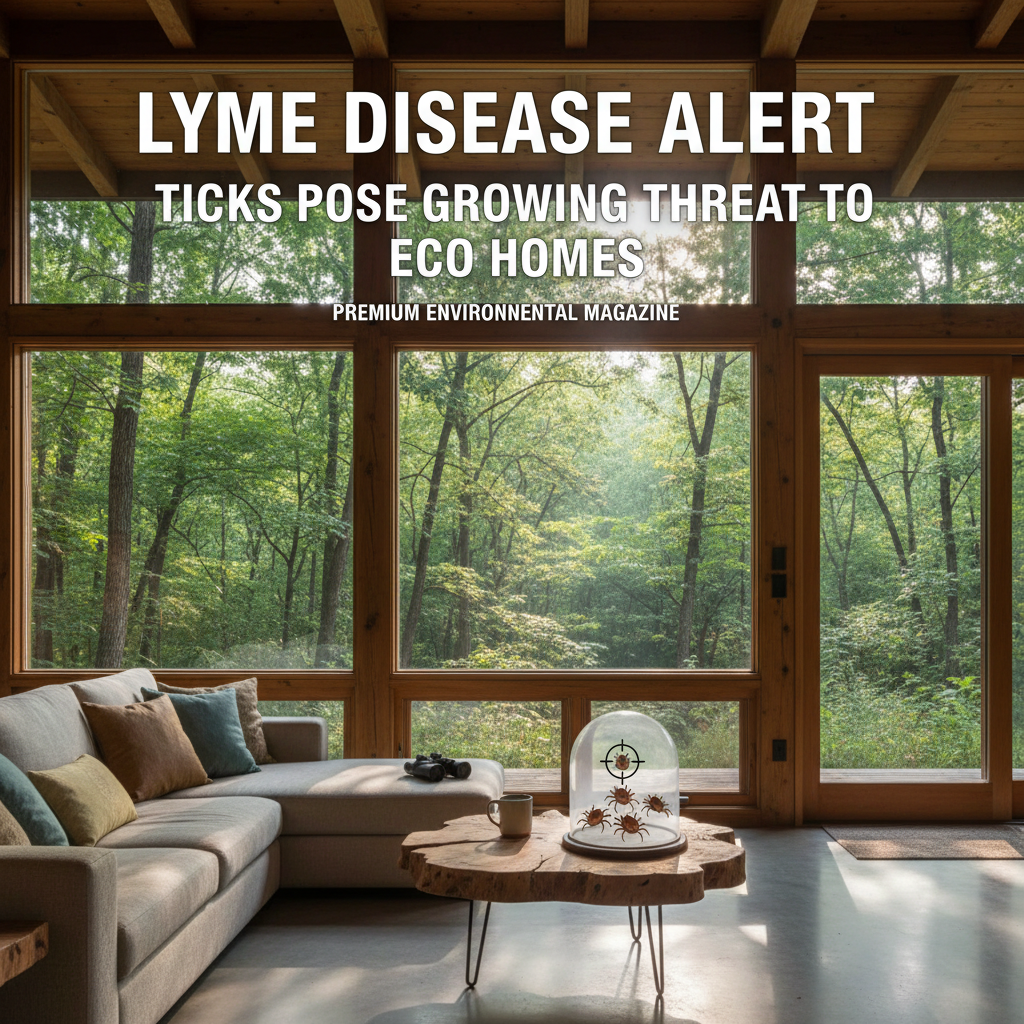
Lyme Disease Alert: Ticks Pose Growing Threat to Eco Homes
Key Takeaways
- Early 2026 data predicts a significant increase in Lyme disease-carrying ticks.
- The Northeast is identified as a primary region for this alarming upward trend.
- Experts warn the public to prepare for heightened exposure risks during outdoor activities.
- Climate shifts are a major contributor to tick proliferation and expanded geographic ranges.
- Proactive prevention strategies and eco-conscious home management are crucial for family health and sustainable living.
As we embrace greener living and spend more time enjoying our natural surroundings, a silent, growing concern is emerging from the very ecosystems we cherish. New data for 2026 indicates a worrying surge in ticks carrying Lyme disease, threatening our health and how we interact with our eco-friendly homes and gardens. This isn't just a distant problem; it's a call to action for every GreenNest Living reader to safeguard their well-being and outdoor spaces.
TL;DR: Key Facts
- Early 2026 data predicts a significant increase in ticks infected with Lyme disease across the nation.
- The 'upward-ticking trend' is particularly pronounced and concerning for experts in the Northeastern United States.
- This rise signals a heightened risk of Lyme disease exposure for individuals engaging in outdoor activities.
- The trend points to broader environmental shifts that are favoring tick proliferation and range expansion.
What Happened
Recent findings, based on early 2026 data and comprehensive insights from a national map, paint a concerning picture regarding the future prevalence of Lyme disease-carrying ticks. The report highlights an "upward-ticking trend," signaling that more ticks are expected to be infected with Borrelia burgdorferi, the bacterium responsible for Lyme disease, in the coming year. While the data is preliminary, gathered from ongoing surveillance efforts, it serves as a crucial early warning for public health officials and homeowners alike.
Experts, particularly those focusing on the Northeastern United States – a historically high-risk area – are vocal about these alarming projections. They indicate that environmental conditions are becoming increasingly favorable for tick populations to thrive and expand their geographic reach, consequently increasing the risk of human exposure to Lyme disease. This isn't merely a localized issue in traditional hotbeds; the national map suggests a broader environmental shift facilitating this expansion across various regions, making proactive measures essential for communities nationwide.
Why It Matters
For GreenNest Living readers, this news hits incredibly close to home – quite literally. The escalating presence of Lyme disease-carrying ticks directly impacts our ability to cultivate and enjoy an "Eco Home," turning our cherished outdoor spaces into areas of concern. As global climate patterns continue to shift, leading to milder winters and extended warm seasons, tick life cycles are accelerated, and their geographic ranges expand. This means the traditional boundaries of high-risk areas are blurring, potentially bringing these vectors closer to suburban and even urban green spaces where sustainable gardening and outdoor recreation are common.
Our commitment to sustainable living often involves spending more time outdoors, whether gardening, hiking, or simply allowing children and pets to play freely in the yard. This trend jeopardizes that deep connection to nature, forcing us to confront the environmental health challenges that accompany ecological changes. Furthermore, an increase in tick-borne illnesses can inadvertently lead to a greater reliance on chemical pesticides for tick control, which directly contradicts our core values for a healthier planet and a non-toxic home environment. Understanding this intricate interconnectedness between climate, wildlife, and human health is vital for adapting our eco-friendly practices to mitigate these emerging threats, ensuring our homes remain sanctuaries of health, peace, and true sustainability. It calls for an integrated approach to managing our landscapes that respects ecological balance while prioritizing family well-being.
What You Can Do
- Perform Thorough Tick Checks: After spending time outdoors, meticulously check your body, children, and pets for ticks, paying close attention to hair, ears, armpits, groin, and behind knees.
- Dress for Protection: When in wooded or grassy areas, wear long-sleeved shirts, long pants tucked into socks, and light-colored clothing to easily spot ticks.
- Use Effective Repellents: Apply EPA-registered tick repellents to exposed skin and clothing. For eco-conscious options, consider those containing picaridin or oil of lemon eucalyptus.
- Maintain Your Yard: Keep grass mowed short, clear leaf litter, and create a 3-foot wood chip or gravel barrier between wooded areas and your lawn to deter ticks.
- Know the Symptoms: Familiarize yourself with the early signs of Lyme disease, such as a bull's-eye rash, fever, chills, and body aches, and seek medical attention promptly if you suspect exposure.
- Protect Your Pets: Consult your veterinarian about appropriate tick prevention products and potential Lyme disease vaccinations for your furry family members.
FAQs
Q: What are the early signs of Lyme disease?
A: The most common early sign is an expanding red "bull's-eye" rash (erythema migrans) at the site of the bite, often accompanied by fever, chills, headache, fatigue, muscle and joint aches, and swollen lymph nodes.
Q: How quickly should I remove a tick to prevent Lyme disease?
A: Ticks should be removed as soon as possible, ideally within 24-36 hours of attachment, as it generally takes this much time for the bacteria to transmit from the tick to the host.
Q: Can eco-friendly yard treatments effectively reduce ticks around my home?
A: Yes, in conjunction with diligent yard maintenance (mowing, clearing brush), certain natural predators like guinea fowl or opossums can help. Some organic tick control sprays, derived from essential oils, can also be part of an integrated pest management plan, but consistency is key.
Sources
This article is based on reporting by The Healthy.
Original source
The Healthy
Author, Digital Entrepreneur & AI Creator
More from Eco Home
- The 'Just One More' Secret: A Mindset for Longevity & Sustainable Homes — May 13, 2026
- Drug Recalls Mount: Prioritizing Eco-Health Amidst Concerns — May 12, 2026
- Nourish Your Liver, Nurture Your Planet: The Eco-Health Diet Link — May 11, 2026
- National Food Recall: Eco-Impacts & Smart Choices for Your Home — May 10, 2026
- Ageless Grit: How Sustaining Yourself Fuels a Greener Life — May 9, 2026