Malaysia Says No: A Global Stance Against E-Waste Dumping
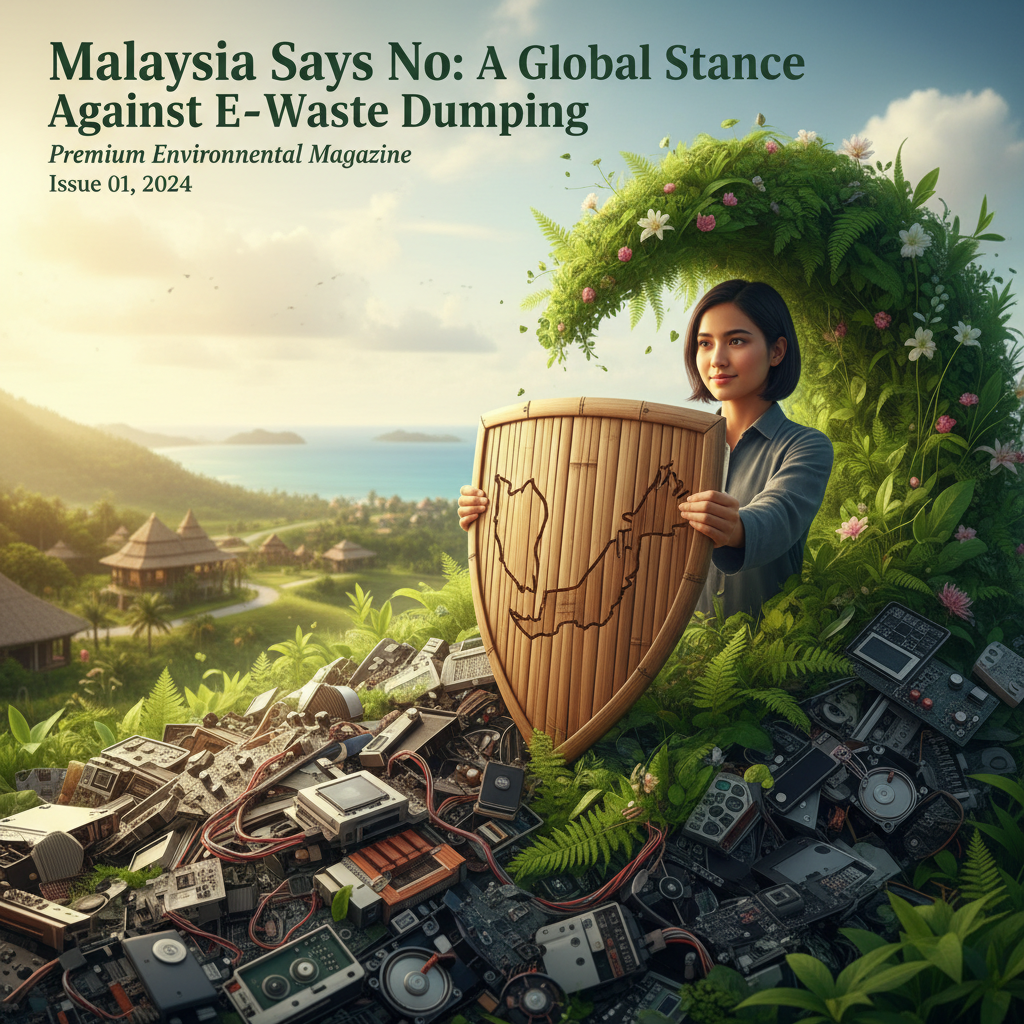
Key Takeaways
- Malaysia has banned e-waste imports to protect its environment from hazardous pollutants.
- E-waste contains dangerous heavy metals like lead, mercury, and cadmium, which harm soil and water.
- The ban challenges the practice of wealthier nations offloading their electronic waste onto developing countries.
- This action advocates for greater producer responsibility and promotes a circular economy.
- Consumers have a role in responsible recycling and demanding sustainable product design.
OPENING PARAGRAPH
The world generates an alarming 50 million tonnes of electronic waste annually, much of which ends up polluting vulnerable nations. Malaysia has just delivered a powerful message that resonates globally, declaring an immediate ban on e-waste imports. This isn't just about protecting its own land; it's a critical push towards a more responsible, sustainable future for everyone.
TL;DR: Key Facts
- Malaysia has implemented an immediate ban on all electronic waste (e-waste) imports.
- The ban is a response to the growing global problem of e-waste often being improperly processed or dumped in developing countries.
- E-waste contains hazardous substances like lead, mercury, and cadmium, which severely pollute soil and water resources.
- The move signals a strong stance against being a "dumping ground" for the world's unwanted electronics.
- This action highlights the urgent need for developed nations to manage their own waste responsibly.
What Happened
Malaysia, a nation increasingly affected by the global electronic waste crisis, has announced an immediate and comprehensive ban on all e-waste imports. This decisive action comes amidst growing international concern over the environmental and health impacts of improperly managed electronic waste, which often finds its way from wealthier nations to countries with less stringent environmental regulations. The Malaysian government's move is a clear declaration that it will no longer serve as a destination for the world's discarded electronics.
The motivation behind this ban is deeply rooted in environmental protection. Electronic waste is not merely refuse; it's a complex mix of valuable and highly toxic materials. The source highlights that e-waste can contain dangerous elements such as lead, mercury, and cadmium. When these materials are not processed safely, they leach into the soil, contaminate water sources, and release harmful chemicals into the air, posing severe risks to local ecosystems and human health. Malaysia's proactive ban aims to prevent such widespread pollution within its borders.
This policy shift by Malaysia mirrors similar actions taken by other nations in Southeast Asia, which have increasingly pushed back against becoming the world's junkyard. The country's strong message, "Not a dumping ground for the world," underscores a rising demand for global environmental justice and a redistribution of responsibility for waste management, urging developed nations to take ownership of the full lifecycle of their products.
Why It Matters
For readers of GreenNest Living, Malaysia's e-waste ban is far more than a distant political decision; it's a powerful illustration of the global interconnectedness of our sustainable living choices. Firstly, it spotlights the uncomfortable truth of our consumption patterns. Every new gadget we buy eventually becomes old, and often, its disposal disproportionately burdens communities in the Global South. This ban forces us to confront the ethical implications of our purchasing habits and the journey of our discarded devices. It challenges the "out of sight, out of mind" mentality that has long enabled this exploitative cycle.
Secondly, the ban underscores the critical environmental and health ramifications of e-waste. The hazardous materials mentioned – lead, mercury, cadmium – aren't abstract threats. They are neurotoxins and carcinogens that can cause irreversible damage to ecosystems and human populations, especially those living near informal recycling sites. Malaysia's stand is a call to action for stricter regulations globally, better recycling infrastructure in all countries, and greater corporate responsibility from electronics manufacturers to design products for longevity and recyclability. It’s a wake-up call to demand that our products are not just "smart," but sustainably made and disposed of.
Finally, this move is a testament to the power of nations asserting their environmental sovereignty. It sets a precedent, encouraging other countries to reject unsustainable waste practices and advocate for cleaner, healthier environments. This global shift away from informal, polluting e-waste processing is essential for truly achieving sustainable living on a planetary scale. It means holding producers accountable and empowering consumers to make choices that support circular economies, ensuring that the planet's health isn't sacrificed for technological convenience.
What You Can Do
- Recycle Responsibly: Research and use certified e-waste recycling programs in your local area. Never throw electronics in the regular trash.
- Extend Product Lifespan: Repair broken electronics instead of replacing them. Choose durable, modular products designed for longevity.
- Buy Refurbished: Opt for refurbished electronics when possible to reduce demand for new products and give old ones a second life.
- Demand Producer Responsibility: Support brands that offer take-back programs, use recycled materials, and design products for easy disassembly and recycling.
- Educate & Advocate: Share information about the e-waste crisis with friends and family. Support policies and organizations working to combat e-waste dumping and promote circular economy principles.
- Check for Certifications: When purchasing new electronics, look for environmental certifications that indicate responsible manufacturing and end-of-life management.
FAQs
Q: What exactly is e-waste?
A: E-waste, or electronic waste, refers to discarded electrical or electronic devices. This includes everything from old cell phones, computers, and TVs to refrigerators and washing machines.
Q: Why is e-waste so dangerous?
A: E-waste contains a complex mix of materials, many of which are toxic heavy metals like lead, mercury, cadmium, and beryllium, as well as flame retardants. When improperly disposed of, these substances can leach into soil and water, polluting ecosystems and posing serious health risks to humans and wildlife.
Q: How does a ban in Malaysia affect me?
A: While direct impact might not be immediate, it highlights the global nature of e-waste. It means that developed nations, including yours, must take more responsibility for their own electronic waste, which will eventually lead to better domestic recycling options and potentially influence how products are designed and distributed globally.
Sources
This article is based on reporting by Euronews Green.
Original source
Euronews Green
Author, Digital Entrepreneur & AI Creator
More from Sustainable Living
- UK Women's Prize Highlights Literature's Crucial Role in a Greener Future — May 14, 2026
- Unearthing Wisdom: Islamic Philosophy's Green Insights — May 13, 2026
- Literature's Mirror: UK Prize Reflects on Sustainable Living — May 12, 2026
- Prague Fair Uncovers Regional Keys to a Greener Literary Future — May 11, 2026
- Comics & Graphic Novels: Driving Sustainable Stories in Eastern Europe — May 10, 2026