Monarchs in Peril: Climate Threatens Iconic Migration
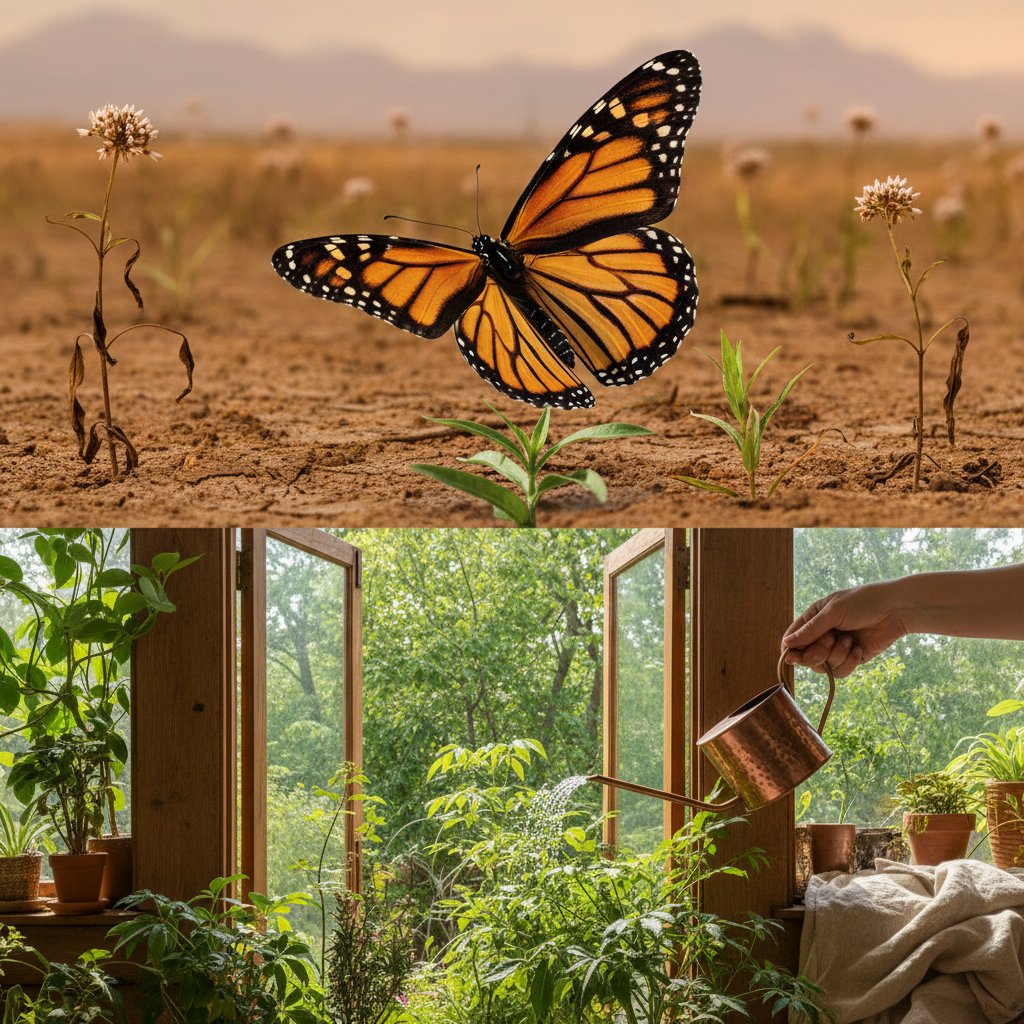
Key Takeaways
- Monarch butterflies face peril due to altered nectar supplies caused by rising temperatures.
- Their iconic 3,000km migration is at risk, signifying a broader ecological crisis.
- Climate change impacts the very chemical composition and availability of vital food sources.
- Individual actions like planting native milkweed and reducing pesticide use can make a difference.
- The monarch's struggle underscores the urgent need for sustainable practices and climate action.
One of nature’s most breathtaking spectacles, the 3,000-kilometer migration of monarch butterflies, is now under severe threat. As rising global temperatures disrupt vital flower nectar supplies, this incredible journey is becoming increasingly precarious, signaling a broader ecological crisis that demands our immediate attention.
TL;DR: Key Facts
- Monarch butterflies undertake an astonishing 3,000km annual migration.
- Rising temperatures are altering the quality and availability of crucial flower nectar.
- This dwindling food source directly imperils the survival of migrating monarchs.
- The crisis highlights climate change's direct impact on iconic biodiversity and ecosystem health.
What Happened
The monarch butterfly's journey is one of the natural world's most impressive feats. Each year, millions of these vibrant insects travel thousands of kilometers from Canada and the northern United States to overwintering grounds in Mexico and California. This epic migration is entirely dependent on a continuous supply of high-quality flower nectar, which provides the energy monarchs need to fuel their long flight and sustain them through the winter.
However, recent observations and studies indicate that this vital food source is under immense pressure. Rising global temperatures, a direct consequence of climate change, are altering the chemical composition and availability of nectar-producing flowers. This means that flowers may bloom at different times, produce less nectar, or offer nectar with reduced nutritional value, leaving monarchs with insufficient energy for their arduous journey and overwintering period. The delicate timing between monarch arrival and peak flower bloom is being disrupted, creating a dangerous mismatch.
This disruption poses an existential threat to the monarch population, which has already seen significant declines due to habitat loss and pesticide use. The dwindling nectar supplies add another critical layer of vulnerability, placing one of the world's most iconic migrations at severe risk of collapse. The long-term implications extend beyond the butterflies themselves, impacting the broader ecosystems that rely on them for pollination and ecological balance.
Why It Matters
For readers of GreenNest Living, the plight of the monarch butterfly is far more than just a conservation story; it's a potent symbol of the interconnectedness of our planet and a clear indicator of climate change's tangible effects on biodiversity. Monarchs are charismatic megafauna in the insect world, serving as a gateway to understanding the intricate web of life that supports human well-being. Their struggle highlights how seemingly small shifts in climate can trigger cascading ecological failures, from altered plant chemistry to species extinction.
The monarch crisis underscores the urgency of sustainable living practices. It demonstrates that climate change isn't a distant problem but one actively reshaping our natural world, impacting everything from the food we eat (through pollination disruptions) to the sheer beauty and wonder of nature we cherish. Losing the monarch migration would not only be an immense aesthetic loss but also signify a critical breakdown in ecosystem resilience, signaling that our current trajectory is unsustainable.
By focusing on the monarchs, we are reminded of our responsibility as stewards of the environment. Their survival is intrinsically linked to our choices regarding land use, pesticide application, and global carbon emissions. Protecting them means protecting the very ecosystems that provide clean air, water, and food – cornerstones of sustainable living. It's a call to action to create more resilient landscapes and advocate for policies that prioritize ecological health.
What You Can Do
The good news is that every individual can contribute to the monarch's survival. Here’s an actionable checklist:
- Plant Native Milkweed: This is the *only* host plant for monarch caterpillars. Ensure it's a native species to your region and pesticide-free.
- Cultivate Nectar-Rich Flowers: Provide a diverse array of native, nectar-producing flowers that bloom throughout the monarch's migratory season (spring, summer, and fall). Examples include coneflowers, asters, goldenrod, and bee balm.
- Avoid Pesticides and Herbicides: These chemicals harm monarchs directly and destroy their food sources. Opt for organic gardening practices.
- Support Pollinator Habitats: Advocate for the creation and protection of pollinator-friendly spaces in your community, from parks to roadside verges.
- Reduce Your Carbon Footprint: Address the root cause of altered nectar supplies by reducing energy consumption, choosing sustainable transportation, and supporting renewable energy initiatives.
- Educate and Share: Spread awareness among friends, family, and neighbors about the monarch's plight and how they can help.
FAQs
Q: What is the main reason monarch nectar supplies are dwindling?
A: Rising global temperatures due to climate change are altering the timing of flower blooms and the quality (sugar content, availability) of nectar, making it harder for monarchs to find adequate fuel for their migration.
Q: Besides climate change, what other threats do monarch butterflies face?
A: Monarchs also suffer from significant habitat loss, primarily due to agricultural expansion and urban development, as well as the widespread use of pesticides and herbicides that kill both the butterflies and their host plants (milkweed).
Q: Why is the monarch migration so important?
A: The monarch migration is a critical part of biodiversity, playing a role in pollination. More broadly, its health serves as an indicator of ecosystem health, and its decline signals deeper environmental imbalances that can affect many other species, including humans.
Sources
This article is based on reporting by Publishing Perspectives.
Original source
Publishing Perspectives
Author, Digital Entrepreneur & AI Creator
More from Sustainable Living
- UK Women's Prize Highlights Literature's Crucial Role in a Greener Future — May 14, 2026
- Unearthing Wisdom: Islamic Philosophy's Green Insights — May 13, 2026
- Literature's Mirror: UK Prize Reflects on Sustainable Living — May 12, 2026
- Prague Fair Uncovers Regional Keys to a Greener Literary Future — May 11, 2026
- Comics & Graphic Novels: Driving Sustainable Stories in Eastern Europe — May 10, 2026