Portugal's Lithium Mine: Green Transition's Ethical Test
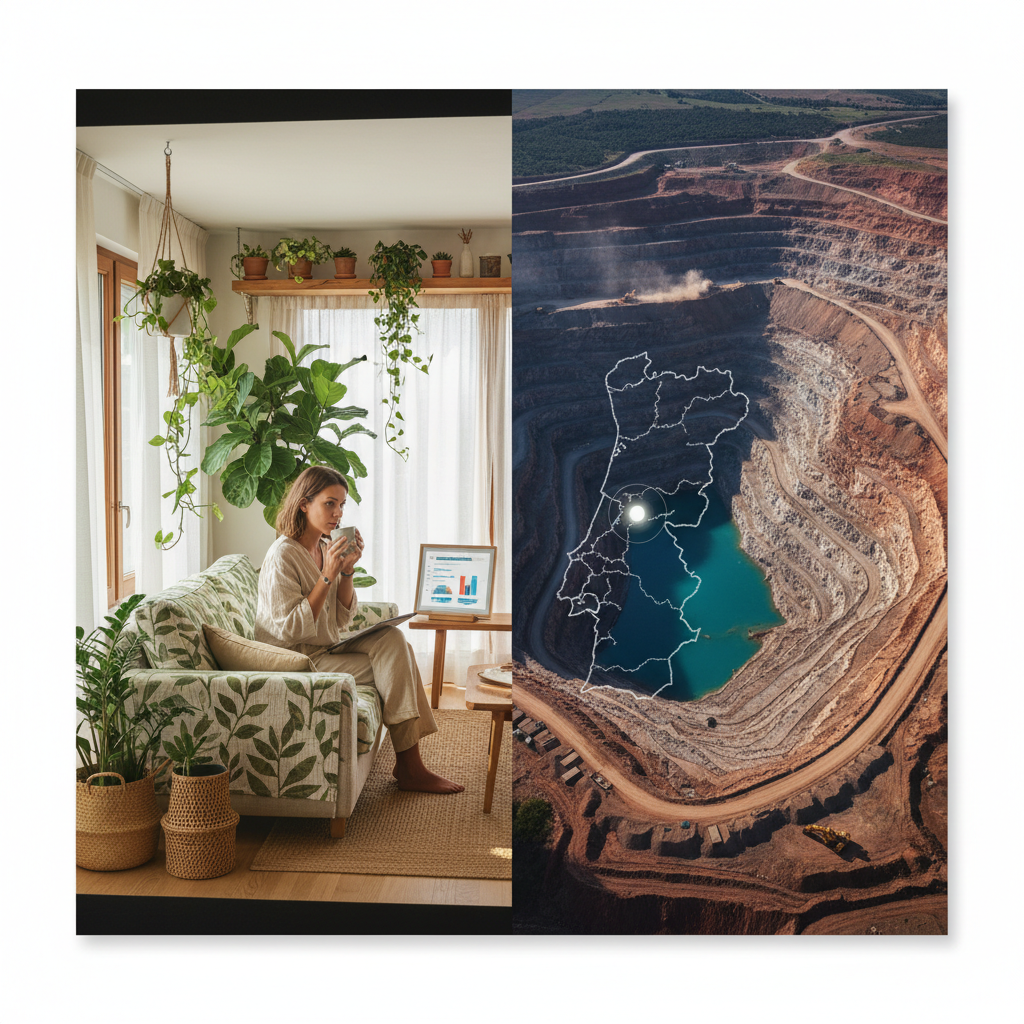
Key Takeaways
- EU court reviews Portugal's controversial Barroso lithium mine.
- EU upheld mine's 'strategic' status despite local opposition.
- Activists fear 'sacrifice zones,' threatening biodiversity and livelihoods.
- Lithium crucial for green tech, making supply a strategic EU priority.
- Court's decision will set precedent for future critical mineral projects.
OPENING PARAGRAPH
The path to a clean energy future is paved with good intentions, but increasingly, it's also paved with critical minerals. Right now, an EU court is grappling with a landmark case in Portugal concerning the Barroso lithium mine, a decision that will profoundly shape how Europe balances its urgent need for green technology with the protection of local ecosystems and communities. This case isn't just about one mine; it's a litmus test for the true sustainability of our transition away from fossil fuels.
TL;DR: Key Facts
- An EU court is currently reviewing the controversial Barroso lithium mine project in northern Portugal.
- The European Commission had previously upheld the mine's ‘strategic’ status despite local opposition and environmental concerns.
- Activists and local residents argue the mine would create a "sacrifice zone," destroying biodiversity, water sources, and traditional livelihoods.
- Lithium is crucial for electric vehicle batteries and renewable energy storage, making its supply a strategic priority for the EU's green transition goals.
- The court's decision will set a precedent for future critical mineral extraction projects across Europe, highlighting the tension between green tech demand and environmental protection.
What Happened
Northern Portugal’s Barroso region, known for its pristine natural beauty and traditional agricultural practices, has become the focal point of a contentious battle over a proposed lithium mine. The Barroso mine, spearheaded by the British company Savannah Resources, aims to extract a significant amount of lithium, a vital component for electric vehicle batteries and other green technologies. This project is considered strategically important by the European Union, which seeks to reduce its reliance on external sources for critical raw materials essential for its ambitious green transition targets.
However, the mine faces fierce opposition from local communities, environmental activists, and NGOs. These groups argue that the large-scale open-pit mine would devastate the local environment, including critical water sources, unique biodiversity, and the agricultural heritage of the region. They contend that designating the area a "strategic" mining zone effectively turns it into a "sacrifice zone," prioritizing industrial extraction over the well-being of its inhabitants and ecosystems. Despite these widespread concerns and protests, EU officials in November refused to strip the Barroso mine of its strategic status, further escalating the legal challenge now before the European Court. The current court review is a direct consequence of this refusal, forcing a judicial examination of the project's environmental and social implications against its perceived strategic necessity.
Why It Matters
For readers of GreenNest Living, this isn't just a distant legal battle; it strikes at the very heart of what "sustainable living" truly means in the 21st century. We champion electric vehicles, renewable energy, and digital connectivity, all of which rely heavily on minerals like lithium. This case forces us to confront the uncomfortable truth that the solutions to one environmental crisis can inadvertently create another if not managed with extreme care and ethical foresight. Are we simply shifting environmental burdens from one part of the world to another, or from carbon emissions to landscape degradation and community displacement?
The concept of "sacrifice zones" is particularly poignant here. It questions whether any region, especially one with rich biodiversity and established communities, should bear the disproportionate cost of global sustainability goals. A truly sustainable future cannot be built on the exploitation of people or nature. The court's ruling will establish a critical precedent, influencing how future infrastructure and resource extraction projects—essential for the green transition—are evaluated across Europe. It will determine if environmental and social safeguards can genuinely stand up to the economic and strategic imperative for critical minerals, setting a benchmark for responsible sourcing and development. This case underscores that sustainable living isn't just about what we consume; it's fundamentally about how those products are brought into existence and the ethical frameworks that govern their production.
What You Can Do
- Educate Yourself: Research the origins of the materials in your "green" products (EVs, phones, solar panels). Understanding the supply chain empowers better choices.
- Support Ethical Sourcing: Look for brands committed to transparent and responsible sourcing of critical minerals. Certifications, though not perfect, can be a starting point.
- Advocate for Policy Change: Support organizations lobbying for stricter environmental regulations and social safeguards in mining projects, both locally and internationally.
- Demand a Circular Economy: Push for product longevity, repairability, and robust recycling programs to reduce the demand for new raw materials.
- Engage with Local Initiatives: If you live near potential resource extraction sites, join or support local advocacy groups working to protect their communities and environments.
- Consider Your Consumption: Evaluate whether every new gadget or large purchase is truly necessary. Reducing overall consumption lessens the pressure on finite resources.
FAQs
Q: What is lithium primarily used for in the green transition?
A: Lithium is a key component in rechargeable batteries, particularly for electric vehicles (EVs), laptops, and smartphones, as well as large-scale energy storage systems for renewable power grids.
Q: What does "strategic status" for a mine mean?
A: In the context of the EU, "strategic status" implies that the mineral extracted is deemed vital for the bloc's economic and security interests, often leading to streamlined approval processes and prioritization over other concerns, though environmental reviews are still required.
Q: Are there alternatives to traditional lithium mining?
A: Researchers are exploring alternative battery chemistries that use less or no lithium (e.g., sodium-ion, solid-state batteries), and advancements in lithium recycling are crucial for creating a more circular economy for these materials. Sustainable extraction methods are also being developed.
Sources
This article is based on reporting by Euronews Green.
Original source
Euronews Green
Author, Digital Entrepreneur & AI Creator
More from Sustainable Living
- UK Women's Prize Highlights Literature's Crucial Role in a Greener Future — May 14, 2026
- Unearthing Wisdom: Islamic Philosophy's Green Insights — May 13, 2026
- Literature's Mirror: UK Prize Reflects on Sustainable Living — May 12, 2026
- Prague Fair Uncovers Regional Keys to a Greener Literary Future — May 11, 2026
- Comics & Graphic Novels: Driving Sustainable Stories in Eastern Europe — May 10, 2026