Rescue Dogs: Nurturing a New Beginning in Your Green Home
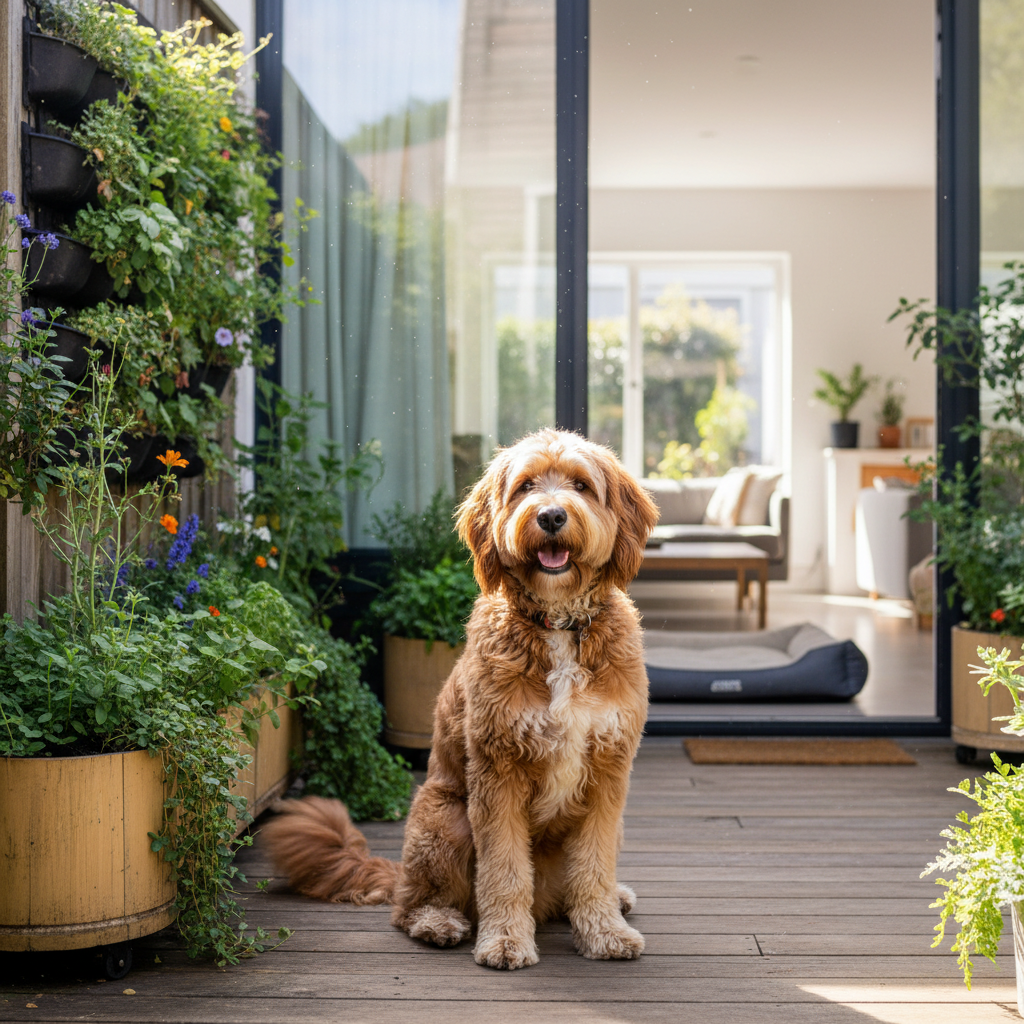
Key Takeaways
- Rescue dogs find new homes stressful; they don't grasp safety or permanence.
- Patience, consistency, and a quiet space are vital for their adjustment.
- Slow introductions prevent overwhelm and build crucial trust.
- Positive reinforcement fosters confidence and desired behaviors.
- Successful adoption reduces shelter strain and reflects sustainable living values.
The decision to open your home to a rescue dog is a deeply compassionate act, embodying the very spirit of nurturing life that GreenNest Living champions. Yet, as heartwarming as it is, this transition period can be profoundly challenging for a dog who has known uncertainty and change. Understanding their perspective is key to transforming their new house into a true, loving home.
TL;DR: Key Facts
- Rescue dogs often experience significant stress and confusion when introduced to a new environment.
- They do not immediately grasp that their new home is permanent, safe, or that their previous uncertainties are over.
- A successful adjustment period requires immense patience, consistency, and a structured, predictable routine.
- Initial interactions and introductions should be slow and controlled to build trust and prevent overwhelm.
- Creating a dedicated, safe sanctuary within the home is crucial for their sense of security.
What Happened
Bringing a rescue dog into your life is an act of profound kindness, but it's crucial to understand that for the dog, it's a period of intense upheaval and stress. They are suddenly thrust into a world of new sights, sounds, smells, people, and routines, all of which can be overwhelmingly unfamiliar. Unlike humans, dogs cannot rationalize that this new place is their "forever home" or that the uncertainty of their past is finally over. Their natural instincts kick in, often leading to fear, anxiety, or even withdrawal as they try to process their new reality.
This adjustment period is highly individual, varying significantly based on the dog's past experiences, personality, and resilience. A dog might have come from a noisy shelter, a neglectful home, or even a traumatic situation, leaving them with anxieties or behaviors that manifest in their new environment. It's not about being ungrateful; it's about survival instincts and the deep need for security. Recognizing this fundamental truth is the first step toward fostering a successful and lasting bond. The initial days and weeks are critical for laying the groundwork for trust, safety, and a sense of belonging.
Why It Matters
For GreenNest Living readers, understanding how to properly integrate a rescue dog isn't just about pet care; it's a cornerstone of sustainable and ethical living. Every successful adoption means one less animal in an overcrowded shelter, reducing the strain on resources and preventing the cycle of rehoming. When a rescue dog feels safe and loved, they are more likely to thrive, exhibiting fewer behavioral issues that could otherwise lead to frustration for owners or even relinquishment. This long-term commitment to a pet's well-being is intrinsically linked to our broader philosophy of living responsibly and harmoniously with all life forms.
Furthermore, the patience, empathy, and consistency required to help a rescue dog adjust reflect valuable lessons applicable to our own human interactions and our relationship with the planet. It teaches us about resilience, the power of nurturing, and the importance of creating stable, supportive environments. A happy, well-adjusted pet contributes positively to the household's overall peace and emotional well-being, fostering a calmer, more mindful home — a key tenet of sustainable living. Investing in this adjustment period reduces potential future costs, both emotional and financial, associated with behavioral problems or rehoming, making it a truly sustainable approach to pet ownership.
What You Can Do
- Create a Safe Sanctuary: Designate a quiet, comfortable space (a crate, a dog bed in a low-traffic area) exclusively for your dog. Equip it with water, bedding, and a chew toy. This is their safe zone where they can retreat and feel secure.
- Establish a Predictable Routine: Dogs thrive on routine. Implement a consistent schedule for feeding, potty breaks, walks, and playtime from day one. Predictability helps reduce anxiety and builds confidence.
- Introduce Slowly and Calmly: Avoid overwhelming your dog with too many new people or pets at once. Introduce family members one by one, keeping initial interactions brief and positive. Avoid direct eye contact or towering over them initially.
- Supervise and Learn: Always supervise your dog, especially during the first few weeks. Pay close attention to their body language to understand their comfort levels and identify potential triggers for stress or fear.
- Positive Reinforcement Only: Reward calm, desired behaviors with treats, praise, and gentle attention. Never punish fear or anxiety; this can exacerbate the problem and damage trust.
- Limit New Experiences Initially: During the "decompression period" (often the first few weeks), focus on quiet time at home and short, consistent walks. Avoid dog parks, busy public places, or extensive car rides until your dog is settled and confident.
- Consider Professional Help: If your dog exhibits severe fear, aggression, or doesn't seem to be adjusting after a few weeks, don't hesitate to consult a professional dog trainer or a veterinary behaviorist.
Ciro's Take
Bringing a rescue dog home is a powerful act of love that resonates deeply with the values we hold at GreenNest Living. It's a testament to patience, empathy, and the belief in second chances—qualities vital for building a sustainable future. Just as we must be persistent and understanding in our efforts to heal our planet, we must offer that same grace and unwavering support to these vulnerable animals. A stable, loving home for a rescue dog isn't just about their well-being; it's a micro-ecosystem of care, demonstrating how nurturing one life enriches all, reminding us of our shared responsibility to protect and cherish every living being. This small act of profound care reflects the larger change we wish to see in the world.
FAQs
Q: How long does it typically take for a rescue dog to adjust?
A: The adjustment period can vary significantly, often described using the "3-3-3 rule": 3 days to decompress, 3 weeks to start settling in, and 3 months to truly feel at home. However, some dogs may take longer, up to six months or even a year, depending on their past experiences and personality.
Q: Should I shower my new rescue dog with affection and attention immediately?
A: While your intentions are good, it's best to allow your dog to initiate contact and attention. Overwhelming them with too much affection or interaction too soon can increase their stress. Give them space, speak softly, and let them come to you on their own terms. Build trust gradually.
Q: What if my rescue dog shows signs of fear or aggression towards people or other pets?
A: It's crucial to address these behaviors immediately and safely. Avoid putting your dog in situations where they feel threatened. Consult with a certified professional dog trainer or a veterinary behaviorist as soon as possible. They can help you understand the root cause and develop a tailored behavior modification plan.
Sources
This article is based on reporting by Whole Dog Journal.
Original source
Whole Dog Journal
Author, Digital Entrepreneur & AI Creator
More from PetCare
- Beagle Rescue: Unmasking the Ethics of Pet Product Testing — May 13, 2026
- Fresh Home, Happy Pup: Sustainable Ways to Beat Pet Odors — May 11, 2026
- Green PetCare: The Truth About Vaseline and Your Dog — May 10, 2026
- Mass Beagle Rescue Shines Light on Ethical Pet Sourcing — May 9, 2026