Rewilding Works: Somerset Farm Rebounds with Nature's Help
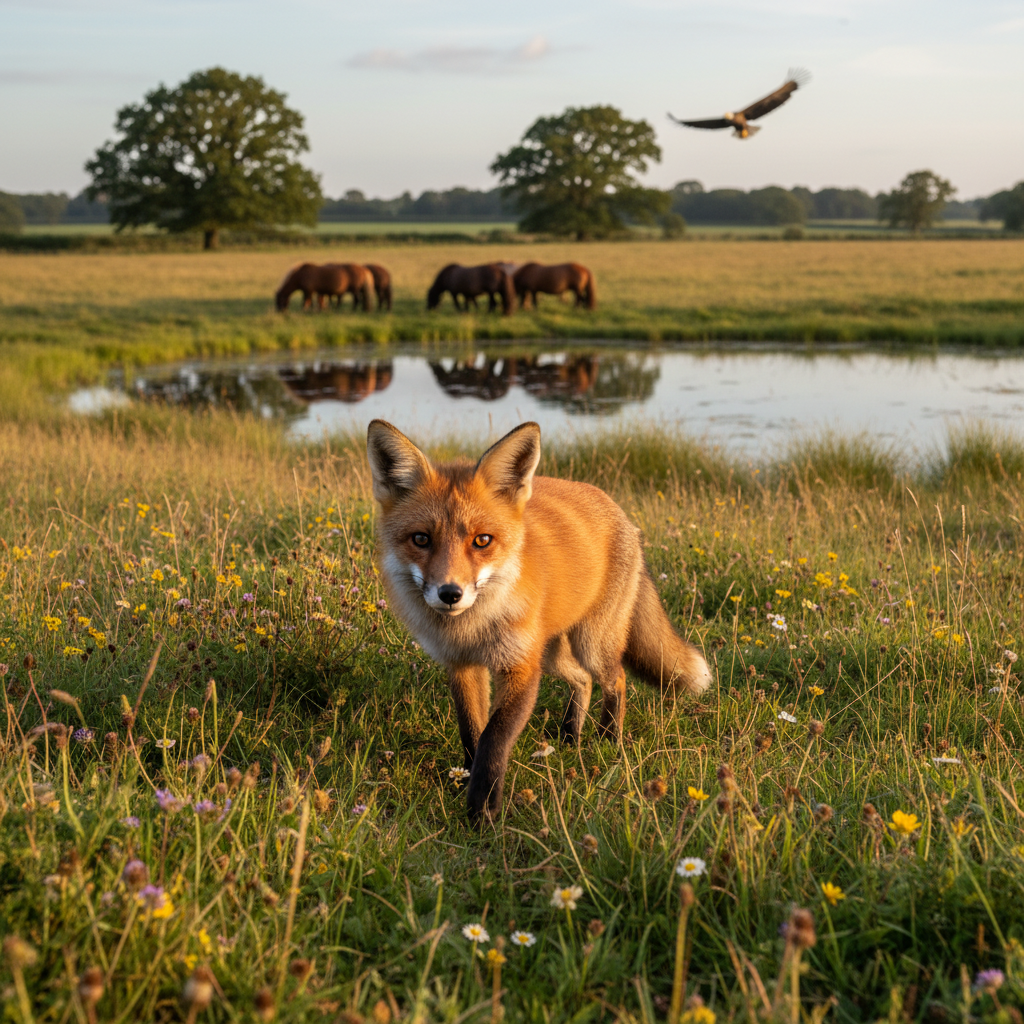
Key Takeaways
- A former dairy farm in Somerset successfully rewilded over three years.
- Bird species increased from 67 to 94, and butterfly species from 11 to 24.
- Small mammal populations also grew significantly.
- The project demonstrates nature's rapid capacity for recovery with minimal human intervention.
- This success offers a powerful model for land use change and biodiversity conservation.
In an era often dominated by headlines of ecological decline, a beacon of hope emerges from the rolling hills of east Somerset. A former dairy farm, having embraced the principles of rewilding, has demonstrated nature's astonishing capacity for rapid recovery. This remarkable transformation, achieved in a mere three years, offers a powerful testament to what can happen when we step back and allow natural processes to reclaim the land.
TL;DR: Key Facts
- A former dairy farm in east Somerset embarked on a rewilding initiative three years ago.
- The approach involved 'letting nature take over' rather than intensive management.
- The number of recorded bird species soared from 67 to an impressive 94.
- Butterfly species more than doubled, increasing from 11 to 24.
- Significant growth was also observed in small mammal populations, contributing to a richer ecosystem.
What Happened
For decades, the land in question operated as a traditional dairy farm, an intensive agricultural setting common across the UK. However, three years ago, a pivotal decision was made to change course: the farm began a rewilding project, intentionally stepping away from conventional farming practices to allow natural ecosystems to re-establish themselves. This wasn't about planting specific species or heavy human intervention, but rather about creating the conditions for nature to lead the way.
The results have been nothing short of extraordinary and incredibly swift. Within this short three-year period, the biodiversity on the farm has experienced a significant boom. Ornithologists recorded a jump in bird species from 67 to 94, indicating a healthier, more diverse habitat capable of supporting a wider range of avian life. Butterfly species, crucial indicators of ecosystem health, also flourished, rising from just 11 to 24. Beyond birds and butterflies, the project observed a notable increase in small mammal populations, further enriching the food web and overall ecological stability of the rewilded landscape.
Why It Matters
This Somerset rewilding success story is far more than a local anomaly; it's a potent illustration of nature's resilience and a critical case study for conservation efforts globally. In a world grappling with biodiversity loss, climate change, and habitat destruction, this initiative offers tangible proof that ecological recovery can be rapid and robust when given the chance. It fundamentally challenges the long-held belief that degraded landscapes require decades, if not centuries, to heal, demonstrating that proactive, hands-off rewilding can yield significant results in surprisingly short timescales.
For our readers at GreenNest Living, this news underscores the power of shifting our relationship with the land from extraction to restoration. It highlights the potential for former agricultural sites, which cover vast areas globally, to become crucial biodiversity havens and carbon sinks. Moreover, it provides a compelling argument for policy makers and landowners alike to consider rewilding as a viable, effective, and relatively low-cost strategy for enhancing ecosystem services, supporting climate resilience, and bringing back the wonder of wild nature to our doorsteps. It’s a testament to hope in conservation, showcasing that positive change isn't just possible, but often just around the corner if we trust in nature's innate power.
What You Can Do
- Support Rewilding Initiatives: Research and donate to organizations focused on rewilding projects, both locally and internationally. Your financial support helps acquire land, manage initial stages, and monitor progress.
- Rewild Your Own Space: Even a small garden can become a mini-rewilding project. Plant native species, let a section go wild, create a pond, or reduce mowing to provide habitat for insects, birds, and small mammals.
- Educate and Advocate: Share success stories like the Somerset farm with your friends, family, and local community. Advocate for policies that support rewilding, regenerative agriculture, and reduced pesticide use at local and national levels.
- Choose Sustainable Products: Opt for food and products from farms that practice regenerative agriculture or other sustainable land management techniques, reducing pressure on wild lands.
- Reduce Chemical Use: Eliminate pesticides, herbicides, and artificial fertilizers from your garden. These chemicals harm insects, birds, and the soil microbiome, which are vital for healthy ecosystems.
- Visit and Learn: If possible, visit rewilding projects or nature reserves to see the benefits firsthand. Learning from these sites can inspire further action and understanding.
Ciro's Take
As an environmental advocate, stories like the Somerset rewilding success fill me with immense hope and a profound sense of validation. For too long, the narrative around nature has been one of loss and struggle, leading to a pervasive sense of helplessness. This farm, however, offers a powerful counter-narrative: a practical, demonstrable solution that reminds us of nature's astounding capacity for self-repair. It speaks to a future where humans and wildlife can coexist, where degraded lands can once again teem with life, and where our role can shift from destructive overseer to patient guardian. This isn't just good news; it's a blueprint for a healthier planet, proving that sometimes, the most revolutionary act is simply to 'hold your nerve and trust nature.'
FAQs
Q: What exactly is rewilding?
A: Rewilding is a progressive approach to conservation that focuses on restoring ecosystem processes and allowing nature to take the lead. It often involves reintroducing missing species, reducing human intervention, and reconnecting fragmented habitats to create self-sustaining ecosystems.
Q: How quickly can rewilding show results, as seen in Somerset?
A: While full ecological recovery can take many years, the Somerset project demonstrates that significant, measurable biodiversity increases can occur remarkably quickly—within just a few years—especially when the landscape has underlying ecological potential and is given space to recover.
Q: Can rewilding replace traditional food production?
A: Rewilding is not intended to replace all food production but rather to complement it. It often focuses on marginal lands or integrates with regenerative agriculture, creating a mosaic of landscapes that support both food security and biodiversity, fostering a more sustainable and resilient land-use system.
Sources
This article is based on reporting by The Guardian Environment.
Original source
The Guardian Environment
Author, Digital Entrepreneur & AI Creator
More from Wildlife & Nature News
- Typhoon Jangmi: Japan Braces for Deluge, Ecosystems Under Threat — June 3, 2026
- Stopping the Steal: Brazil's Golden Monkeys Under Threat — June 1, 2026
- Roman Space Telescope: New Cosmic Eye, Earth's Priceless Value — May 31, 2026
- Argentina Intercepts 700+ Marine Animals: A Win for Wildlife — May 30, 2026