The True Cost of Green: EU Lithium Mine Sparks Debate
Key Takeaways
- An EU court is weighing the future of a strategic lithium mine in Portugal.
- The mine is essential for Europe's clean energy transition, particularly for EV batteries.
- The project faces strong opposition due to fears of creating a 'sacrifice zone'.
- EU officials previously affirmed the mine's 'strategic' status despite concerns.
- The decision will shape how Europe balances its green goals with environmental protection.
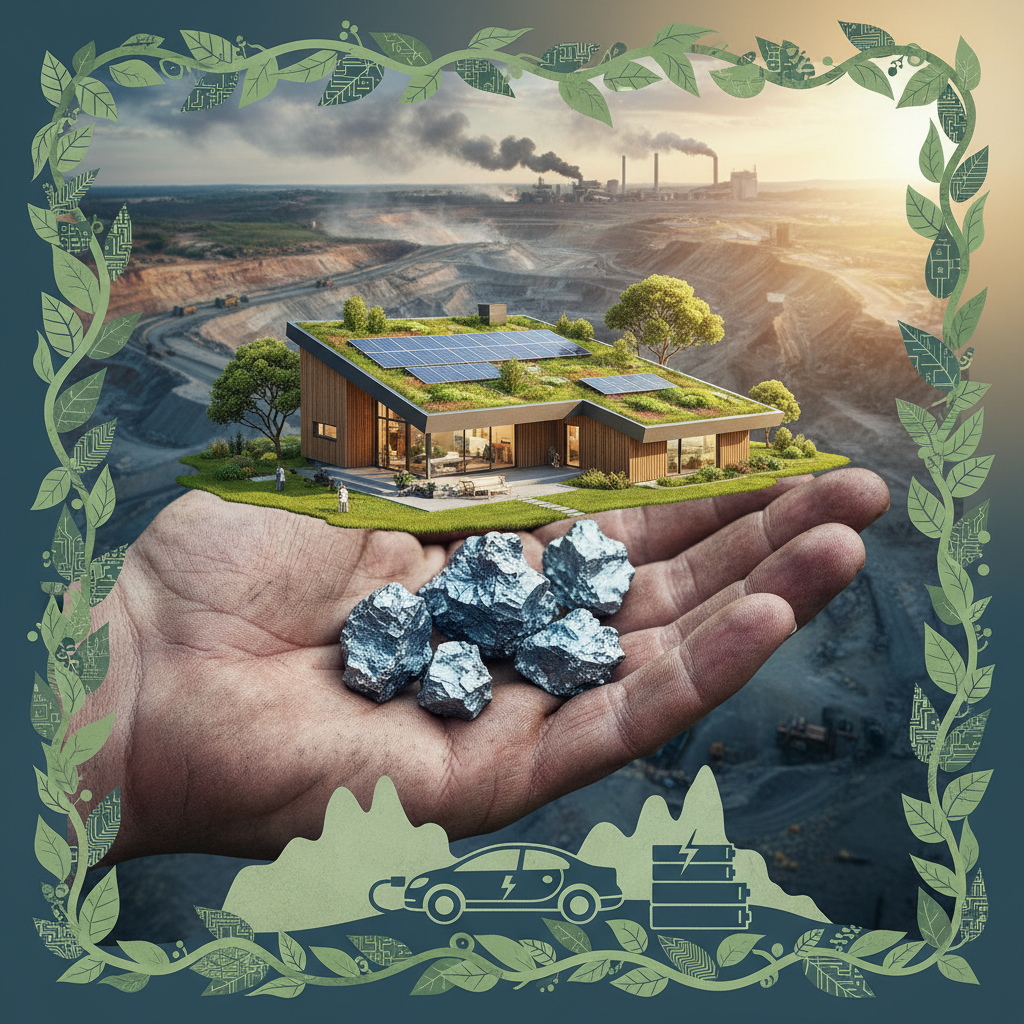
As Europe races towards a cleaner energy future, a crucial legal battle is unfolding that forces us to confront the true environmental cost of our ambition. An EU court is currently deliberating the fate of a proposed lithium mine in Portugal, a decision that will not only impact local communities but also set a precedent for what 'sustainable' truly means in the quest for green technologies.
TL;DR: Key Facts
- An EU court is currently assessing the legality of the proposed Barroso lithium mine in Portugal.
- This mine is crucial for Europe's clean energy goals, particularly for electric vehicle batteries.
- Despite environmental concerns and local opposition, EU officials previously refused to revoke the mine's 'strategic' status.
- The case highlights the growing tension between the demand for critical raw materials and the protection of local ecosystems and communities, often termed 'sacrifice zones'.
- The outcome will significantly influence how the EU balances its clean energy transition with environmental justice and local impacts.
What Happened
Europe's ambitious plans for a green transition hinge significantly on securing a steady supply of critical raw materials, with lithium topping the list for electric vehicle (EV) batteries and renewable energy storage. This urgent demand has spurred interest in Europe’s own lithium reserves, leading to projects like the Barroso mine in northern Portugal. The proposal for this large-scale open-pit mine has, however, ignited a fierce legal and environmental debate.
The core of the current controversy lies with an EU court, which is now evaluating whether this mine can proceed. This legal challenge follows a contentious decision by EU officials in November, who firmly upheld the mine's 'strategic' designation. This classification underscores its perceived importance to the Union's energy independence and decarbonization targets, effectively fast-tracking its development.
However, this 'strategic' status is fiercely opposed by local communities and environmental advocates. They argue that the mine's operation would transform the picturesque Barroso region into a 'sacrifice zone' – an area deemed expendable for resource extraction, enduring severe ecological damage and social disruption for broader economic or environmental goals. This high-stakes legal review brings to a head the fundamental conflict between the urgent need for raw materials for a clean energy future and the imperative to protect specific natural environments and the communities dependent on them.
Why It Matters
For those of us committed to sustainable living, the Portugal lithium mine case presents a profound paradox: how can we build a 'green' future by creating 'sacrifice zones' today? This isn't just about a mine in Portugal; it's a microcosm of a global challenge. Our transition to electric vehicles, renewable energy, and smart technologies is heavily reliant on materials like lithium, cobalt, and rare earths. Yet, the extraction of these resources often carries a heavy environmental and social toll, from habitat destruction and water pollution to displacement of communities and loss of traditional livelihoods.
This situation compels us to look beyond the shiny facade of green technology and examine its entire lifecycle. A true commitment to sustainable living demands that we ask difficult questions: Are we simply shifting environmental burdens from our cities to rural landscapes, often in less economically powerful regions? How do we ensure that our pursuit of a cleaner planet doesn't create new forms of injustice or ecological damage elsewhere? The 'strategic' designation of this mine by the EU highlights a critical policy dilemma: how much environmental compromise is acceptable for the sake of energy independence and climate goals?
Ultimately, this case challenges our perception of what 'sustainable' truly means. It underscores the urgent need for a more holistic approach to resource management, one that prioritizes circular economy principles, responsible sourcing, and robust environmental and social safeguards. For GreenNest Living readers, it's a stark reminder that our choices as consumers and advocates ripple across the globe, influencing landscapes and lives far beyond our immediate sight. Ensuring that our clean energy future is genuinely clean – from source to consumption – is perhaps the most significant sustainability challenge of our time.
What You Can Do
The complexities of the clean energy transition mean that individual actions, combined with collective advocacy, are more vital than ever. Here's how you can contribute to a more truly sustainable future:
- Research Your Purchases: Before investing in new electronics or an EV, investigate the manufacturer's supply chain and commitment to ethical sourcing and environmental protection. Demand transparency.
- Support Circular Economy Initiatives: Embrace the principles of reduce, reuse, repair, and recycle. Extend the life of your devices, recycle old batteries responsibly, and advocate for better recycling infrastructure for critical minerals.
- Advocate for Stronger Regulations: Contact your elected officials to support policies that enforce stringent environmental and social standards for mining operations, both domestically and internationally. Demand that 'strategic' projects undergo rigorous, independent environmental impact assessments.
- Reduce Overall Consumption: The most sustainable resource is the one we don't extract. Re-evaluate your need for new gadgets and energy-intensive products, opting for longevity and efficiency over constant upgrades.
- Support Ethical Mining & Certification: Look for certifications or initiatives working towards responsible mining practices. While perfect solutions are rare, supporting companies and organizations striving for better standards can drive industry change.
- Engage with Local Environmental Groups: Support and amplify the voices of local communities and environmental organizations that are directly affected by and fighting against environmentally damaging resource extraction projects.
FAQs
Q: What is lithium primarily used for in the context of clean energy?
A: Lithium is a critical component in the production of rechargeable batteries, particularly for electric vehicles (EVs), portable electronic devices, and large-scale grid energy storage systems for renewable power.
Q: What does the term 'sacrifice zone' mean in this context?
A: A 'sacrifice zone' refers to a geographic area that has been permanently and severely damaged by industrial pollution or resource extraction. It implies that the area's environmental health and community well-being are 'sacrificed' for the economic or strategic benefit of others, often far removed from the site.
Q: Can lithium be mined sustainably, or is it always destructive?
A: While all mining has an environmental footprint, efforts are being made to develop more sustainable lithium extraction methods. This includes direct lithium extraction (DLE) technologies that aim to reduce water usage and land disturbance, as well as significant advancements in battery recycling to recover lithium and lessen reliance on virgin extraction. However, challenges remain substantial.
Sources
This article is based on reporting by Euronews Green.
Original source
Euronews Green
Author, Digital Entrepreneur & AI Creator
More from Sustainable Living
- UK Women's Prize Highlights Literature's Crucial Role in a Greener Future — May 14, 2026
- Unearthing Wisdom: Islamic Philosophy's Green Insights — May 13, 2026
- Literature's Mirror: UK Prize Reflects on Sustainable Living — May 12, 2026
- Prague Fair Uncovers Regional Keys to a Greener Literary Future — May 11, 2026
- Comics & Graphic Novels: Driving Sustainable Stories in Eastern Europe — May 10, 2026