UK Security Chiefs Link Biodiversity Loss to Global Instability
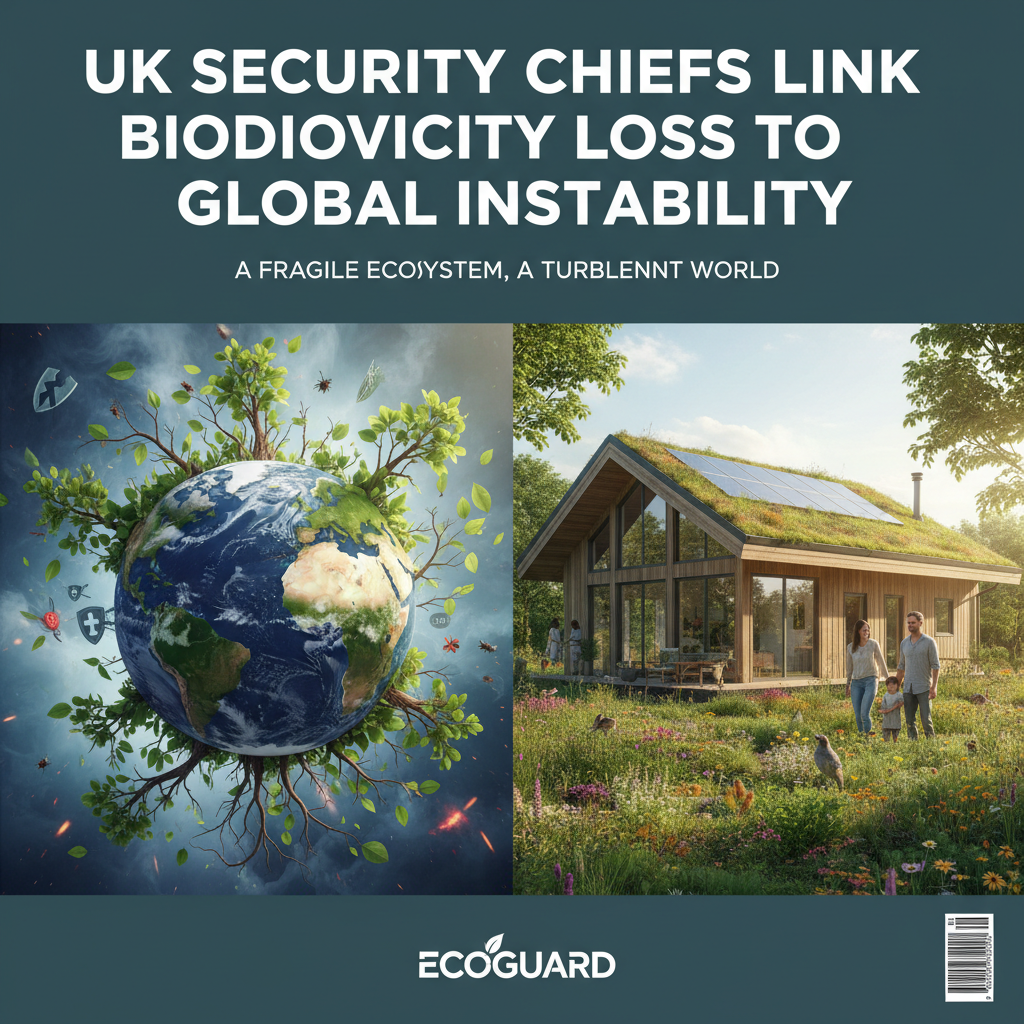
Key Takeaways
- UK intelligence warns biodiversity loss threatens national security.
- Threats include geopolitical instability, economic insecurity, conflict, and migration.
- "Major intervention" is required to prevent these cascading crises.
- Ecological health is now recognized as foundational for global peace and stability.
- Environmental action is crucial for societal resilience and security.
The drumbeat of climate change warnings has long been familiar, but a recent alarm from an unexpected quarter elevates environmental degradation to a new, urgent level. UK intelligence chiefs have issued a stark warning: the accelerating loss of biodiversity is not just an ecological concern, but a direct and growing threat to national security, with profound implications for global stability and human well-being.
TL;DR: Key Facts
- UK intelligence agencies now classify biodiversity loss as a national security threat.
- This degradation is predicted to escalate geopolitical instability, economic insecurity, conflict, and mass migration.
- The warning emphasizes that "major intervention" is immediately required to avert these cascading crises.
- This assessment signifies a critical shift, acknowledging that ecological health is fundamental to global peace and stability.
- It highlights the interconnectedness of environmental issues with national defense and economic resilience.
What Happened
In a significant departure from traditional security concerns, UK intelligence chiefs have publicly declared that the ongoing and rapid decline in global biodiversity poses a direct and severe threat to the nation's security. This groundbreaking assessment moves environmental issues beyond the purview of ecological conservation alone, placing them firmly within the domain of national defense and strategic stability.
Their warning is unequivocal: without "major intervention" on an unprecedented scale, the UK and the world face a future characterized by increasing geopolitical instability, widespread economic insecurity, the emergence of new conflicts, and significant waves of migration. This comprehensive threat profile underscores the pervasive impact of ecosystem collapse on human societies and international relations, suggesting that the integrity of natural systems is intrinsically linked to global peace and prosperity.
Why It Matters
For those committed to sustainable living, this intelligence briefing is a game-changer. It shatters the perception that environmental efforts are niche concerns, demonstrating unequivocally that the health of our planet is not merely an ethical imperative but a cornerstone of human civilization and security. When intelligence agencies, traditionally focused on military threats and espionage, turn their gaze to disappearing species and degraded ecosystems, it signals a fundamental shift in understanding what truly constitutes a threat to our collective future.
This analysis underscores the profound interconnectedness of our world. Biodiversity loss doesn't just mean fewer species; it means compromised ecosystems that underpin clean air, water, food production, and climate regulation. When these foundational services falter, it leads to resource scarcity, which in turn fuels competition, social unrest, and cross-border tensions. Sustainable living, therefore, transcends individual lifestyle choices; it becomes a critical strategy for national and international resilience, directly contributing to peace and stability in an increasingly fragile world. Recognizing this interconnectedness empowers us to see our actions, no matter how small, as vital contributions to a larger, shared security.
What You Can Do
Here’s how you can respond to this urgent call for intervention and contribute to a more secure, biodiverse future:
- Support Local and Global Conservation Efforts: Donate to or volunteer with organizations working to protect habitats and species. Look for groups that engage in reforestation, habitat restoration, and sustainable land management.
- Advocate for Stronger Policies: Contact your elected officials to express your concern about biodiversity loss and demand robust environmental protection policies, both domestically and internationally. Support initiatives that integrate ecological resilience into national planning.
- Reduce Your Ecological Footprint: Make conscious choices to minimize your consumption of resources. Opt for products with minimal packaging, reduce food waste, conserve energy, and choose sustainable transportation methods. Every decision adds up.
- Embrace Sustainable Consumption: Prioritize products that are ethically sourced, produced with minimal environmental impact, and certified sustainable. This includes food, clothing, electronics, and home goods.
- Educate and Engage: Share information about the critical link between biodiversity and security with your friends, family, and community. The more people understand the stakes, the stronger the collective will for action.
- Participate in Citizen Science: Get involved in local projects that monitor biodiversity, like bird counts or plant identification. Your data can help scientists track changes and inform conservation strategies.
FAQs
Q: What exactly is biodiversity loss?
A: Biodiversity loss refers to the decline in the variety of life on Earth, at all levels, from genes to ecosystems. This includes the extinction of species, the reduction of genetic diversity within species, and the degradation of entire habitats and ecosystems.
Q: How does biodiversity loss directly threaten national security?
A: Biodiversity loss compromises essential ecosystem services like clean water, fertile soil, and stable climates. This can lead to resource scarcity, food insecurity, and increased frequency of extreme weather events, which in turn can trigger mass displacement, economic instability, and escalate conflicts over dwindling resources, thereby undermining national and international security.
Q: Is this a new concern for intelligence agencies?
A: While environmental factors have been considered in strategic assessments before, this direct and high-level declaration marks a significant evolution. It represents a more explicit and urgent recognition by intelligence chiefs that ecological collapse is not merely an environmental problem but a fundamental threat to national and global stability, demanding strategic intervention alongside traditional security concerns.
Sources
This article is based on reporting by Euronews Green.
Original source
Euronews Green
Author, Digital Entrepreneur & AI Creator
More from Sustainable Living
- UK Women's Prize Highlights Literature's Crucial Role in a Greener Future — May 14, 2026
- Unearthing Wisdom: Islamic Philosophy's Green Insights — May 13, 2026
- Literature's Mirror: UK Prize Reflects on Sustainable Living — May 12, 2026
- Prague Fair Uncovers Regional Keys to a Greener Literary Future — May 11, 2026
- Comics & Graphic Novels: Driving Sustainable Stories in Eastern Europe — May 10, 2026