Ukraine's New Lit: Truth, Resilience & Global Understanding
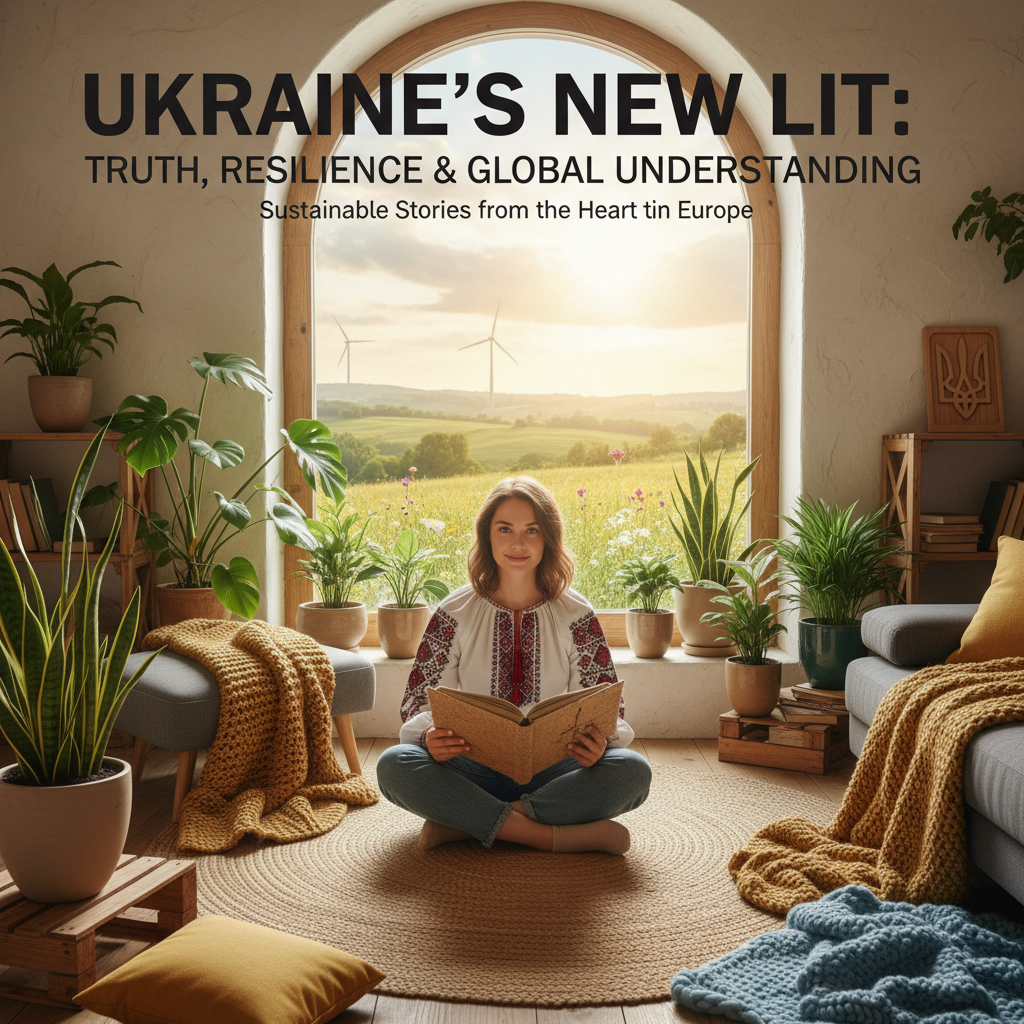
Key Takeaways
- Ukraine's new war literature rejects romanticism, focusing on raw reality.
- It aims to record the unvarnished truth of conflict experiences.
- This literary trend is driven by publishers like Vivat Publishing.
- It offers crucial insights into the human and environmental costs of war.
- This approach promotes deeper empathy and advocacy for a sustainable future.
OPENING PARAGRAPH
In an age where information can be distorted and realities sanitized, a profound shift is occurring in Ukraine's literary landscape. This emerging wave of war literature is not merely chronicling conflict but is actively redefining how we perceive its impact, offering crucial insights for anyone invested in building a truly sustainable and peaceful future.
TL;DR: Key Facts
- A distinctive type of war literature is emerging from Ukraine.
- It intentionally rejects the romanticization and aestheticization of suffering often found in classical war narratives.
- The focus is on accurately recording the harsh realities of conflict.
- This approach aims to convey unvarnished truth rather than heroic or tragic archetypes.
- Yuliya Orlova, CEO of Vivat Publishing, highlights this paradigm shift.
What Happened
According to Yuliya Orlova, CEO of Ukraine's Vivat Publishing, a unique and impactful genre of war literature is taking shape within Ukraine. This new wave consciously distances itself from the established norms of classical war narratives, which often lean into romanticized depictions of conflict or the aestheticization of suffering.
Instead, this emerging literature is driven by a powerful imperative: to meticulously record and convey the unvarnished reality of war. It prioritizes authenticity and truth, aiming to present the world with an accurate account of experiences on the ground, eschewing any glorification or artistic embellishment of violence and hardship. This movement signifies a deliberate choice to use literature as a direct conduit for factual, lived experience.
Why It Matters
For readers committed to sustainable living, this development in Ukrainian literature holds immense significance. Sustainable living extends far beyond personal eco-friendly choices; it encompasses a global vision of peace, social justice, and environmental stewardship. War, by its very nature, is a catastrophic force against sustainability. It devastates ecosystems, consumes vast resources, displaces populations, and erodes the social fabric necessary for resilient communities.
Literature that refuses to romanticize conflict, and instead commits to “recording a reality,” becomes an invaluable tool for understanding these profound impacts. By stripping away the glamour and confronting the raw, uncomfortable truths of war, these narratives foster deeper empathy and a more nuanced understanding of geopolitical instability. They highlight the true human and environmental costs, which are often obscured by traditional media or political rhetoric. This unvarnished perspective can inspire greater advocacy for peace, demand for accountability, and support for sustainable reconstruction efforts, rather than merely perpetuating cycles of conflict.
Moreover, this literary movement reinforces the principle that truth is foundational to sustainability. Just as we must confront scientific facts about climate change, we must also confront the human realities of conflict to build a truly sustainable world. By showcasing the devastating consequences of war on daily life, on mental health, and on the environment, Ukrainian authors are not just telling stories; they are providing critical testimony that can inform our collective efforts towards a more peaceful, equitable, and environmentally sound planet. This commitment to unfiltered reality is a powerful counter-narrative to disinformation, empowering readers to make more informed choices about global citizenship and sustainable action.
What You Can Do
Embracing the spirit of truth and understanding promoted by this new literature, here’s how you can engage and contribute to a more sustainable world:
- Seek Out Diverse Voices: Actively look for literature and media from conflict zones or marginalized communities. Prioritize stories that offer authentic, unromanticized perspectives on global challenges.
- Support Independent Publishers & Authors: Research and support publishing houses and writers, especially those operating in difficult circumstances, who are committed to sharing these vital realities.
- Educate Yourself on Geopolitical Impacts: Beyond the headlines, delve into how global conflicts impact local environments, indigenous communities, and long-term sustainability goals.
- Engage in Mindful Consumption of News: Be critical of how war and conflict are portrayed in various media. Question narratives that glorify violence or overlook its human and environmental toll.
- Advocate for Peace & Humanitarian Aid: Support organizations working on conflict resolution, humanitarian assistance, and environmental recovery in war-torn regions.
- Discuss & Share: Talk to friends, family, and your community about the true costs of conflict and the importance of accurate representation in literature and media. Sharing these perspectives helps broaden understanding.
FAQs
Q: What does "sustainable living" encompass beyond eco-friendly products?
A: Sustainable living is a holistic approach encompassing environmental protection, social equity, economic viability, and cultural diversity. It means ensuring that current needs are met without compromising the ability of future generations to meet their own needs. This includes promoting peace, justice, human rights, and resilient communities globally.
Q: How can literature influence sustainable action?
A: Literature can foster empathy, critical thinking, and a deeper understanding of complex global issues. By exposing readers to diverse realities, especially those impacted by conflict and injustice, it can inspire personal reflection, motivate advocacy, and encourage collective action towards building a more peaceful and sustainable world.
Q: Where can I find examples of this new Ukrainian literature?
A: While specific titles aren't named in the snippet, look for contemporary Ukrainian authors, particularly those published since 2014 or 2022. Seek out reputable literary journals, international book review sites, or publishing houses specializing in translated literature for recommendations from the region.
Sources
This article is based on reporting by Publishing Perspectives.
Original source
Publishing Perspectives
Author, Digital Entrepreneur & AI Creator
More from Sustainable Living
- UK Women's Prize Highlights Literature's Crucial Role in a Greener Future — May 14, 2026
- Unearthing Wisdom: Islamic Philosophy's Green Insights — May 13, 2026
- Literature's Mirror: UK Prize Reflects on Sustainable Living — May 12, 2026
- Prague Fair Uncovers Regional Keys to a Greener Literary Future — May 11, 2026
- Comics & Graphic Novels: Driving Sustainable Stories in Eastern Europe — May 10, 2026