UNEP Sounds Alarm: Unmasking Plastic's Chemical Threat
Key Takeaways
- UNEP's new report highlights the urgent danger of chemicals embedded in plastics, not just visible waste.
- Hazardous chemicals like phthalates, bisphenols, and PFAS leach from plastics into our environment and bodies, posing significant health risks.
- Effective plastic pollution solutions must address the chemical composition of plastics, not just their disposal.
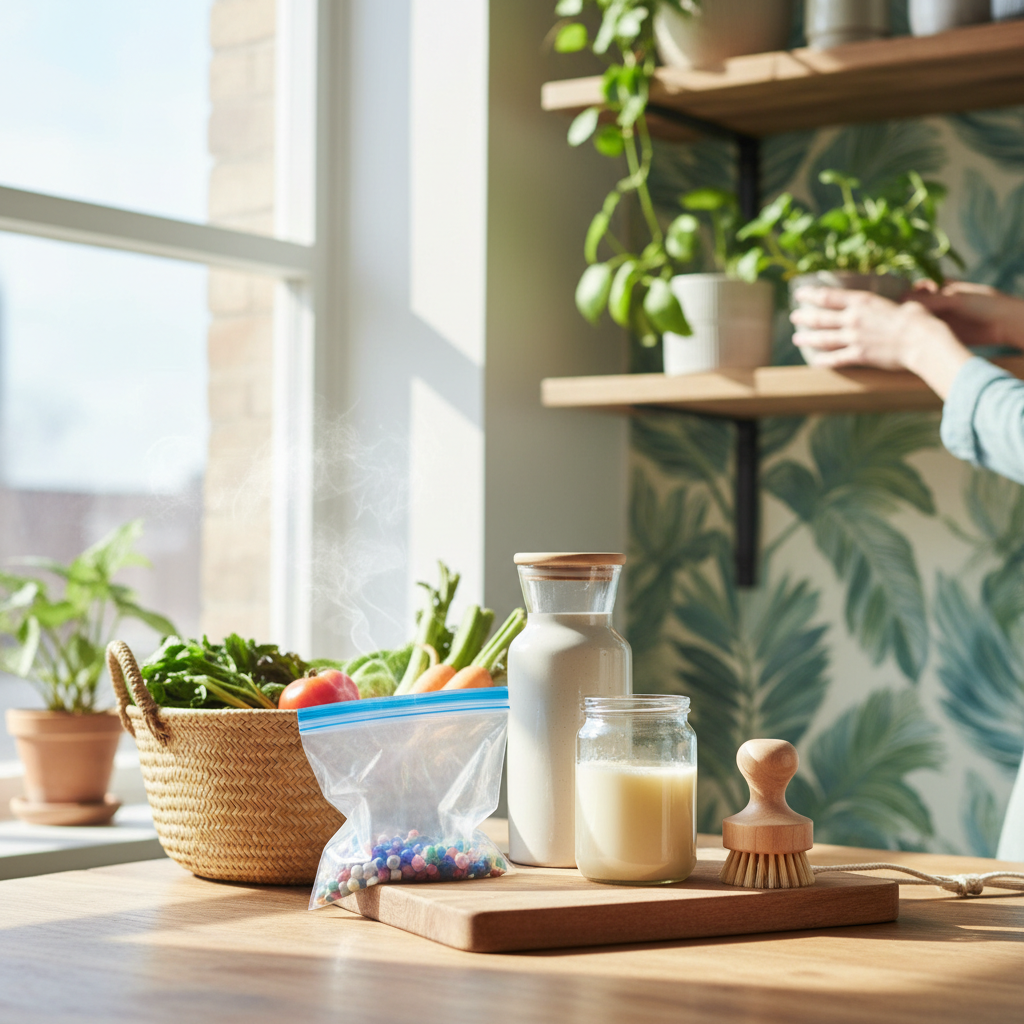
- Individuals can reduce exposure by choosing plastic-free alternatives for food, drink, and personal care, especially avoiding heating food in plastic.
- Advocating for greater transparency, stricter regulations, and supporting sustainable material innovation is crucial for systemic change.
Unmasking Plastic's Hidden Chemical Threat: A UNEP Call to Action
Here at GreenNest Living, we’re constantly sifting through the latest environmental news, seeking insights that empower our community to live more sustainably and healthily. Today, a critical new report from UNEP (United Nations Environment Programme) has landed on our desks, and it demands our immediate attention. Titled "Chemicals in Plastics - A Technical Report," this groundbreaking document isn't just another discussion about visible plastic pollution; it delves deep into the often-invisible, yet pervasive, threat posed by the very chemistry of plastics. And its message is clear: urgent action is needed.
For years, we've focused on the monumental challenge of plastic waste — the bags clogging our oceans, the bottles littering our landscapes. But the UNEP report underscores a more insidious danger: the cocktail of chemicals embedded within these materials that are leaching into our environment, our food, and even our bodies. This isn't just about environmental cleanup; it's about safeguarding our health and the future of our planet at a fundamental chemical level. The time for a comprehensive, systemic shift away from harmful plastic chemicals is now.
Beyond the Visible: The Hidden Threat of Plastic Chemicals
We interact with plastics countless times a day – from our food packaging and water bottles to our clothing, cosmetics, and furniture. They are ubiquitous, a testament to their versatility and low cost. But this convenience comes with a profound hidden cost. The UNEP report, based on "compelling scientific evidence," shines a spotlight on the thousands of chemicals used in plastic production, many of which are known to be hazardous. We’re talking about substances like phthalates, often used to make plastics more flexible, which are suspected endocrine disruptors impacting hormones. Then there are bisphenols (like BPA, BPS, BPF), found in rigid plastics and epoxy resins, linked to reproductive issues, metabolic disorders, and even certain cancers. And let’s not forget the increasingly scrutinized PFAS (per- and polyfluoroalkyl substances), or 'forever chemicals,' found in some plastics and coatings, known for their persistence in the environment and human body, and associated with a range of health concerns.
These chemicals aren't static; they can migrate out of plastic products, especially when exposed to heat, UV light, or certain solvents. This means they can contaminate our food and water, enter our bodies through ingestion, inhalation, or skin contact, and accumulate in our ecosystems. The report meticulously details this process, painting a comprehensive picture of how these invisible threats become intertwined with our daily lives and the natural world. It's a stark reminder that the problem of plastic pollution isn't just about disposal; it's about the very composition of the materials we create and consume.
Why This UNEP Report Demands Our Attention
What makes this particular UNEP report so critical for GreenNest Living readers? Firstly, it provides the most up-to-date "state of knowledge" on chemicals in plastics, consolidating scientific evidence that unequivocally calls for "urgent action." This isn't speculation; it's a scientific consensus from a leading global authority. The report acts as a powerful catalyst, urging governments, industries, and individuals to move beyond mere plastic waste management and address the chemical toxicity embedded within the material itself.
Secondly, it connects the dots between plastic chemicals and wider environmental goals, particularly the global action on plastic pollution. It emphasizes that a truly sustainable solution to plastic pollution cannot ignore its chemical dimension. Tackling visible waste without addressing the hazardous substances within plastics is like treating a symptom while ignoring the root cause. For us, this means rethinking our approach to consumerism, demanding greater transparency from manufacturers, and advocating for policies that prioritize human and planetary health over industrial convenience.
This report empowers us with knowledge, transforming our understanding of plastics from a simple waste problem into a complex challenge involving chemical safety, public health, and ecological integrity. It’s a wake-up call to look beyond the immediate convenience and consider the long-term impact of our material choices.
Navigating the Plastic Maze: Practical Steps for a Healthier Home
As conscious consumers and stewards of our homes and health, what can we do in light of these urgent findings? The good news is, armed with this knowledge, we can make significant strides towards reducing our exposure to harmful plastic chemicals. Here are some actionable steps for your GreenNest Living journey:
- Prioritize "Plastic-Free" for Food & Drink: This is arguably the most impactful change. Opt for glass, stainless steel, or ceramic containers for food storage. When buying groceries, choose items packaged in glass, paper, or metal over plastic whenever possible. Invest in a reusable stainless steel water bottle and coffee cup.
- Avoid Heating Food in Plastic: Heat significantly increases the leaching of chemicals from plastics. Never microwave food in plastic containers or cover dishes with plastic wrap while heating. Transfer food to glass or ceramic before warming.
- Scrutinize Personal Care & Cleaning Products: Many cosmetics, shampoos, and cleaning agents come in plastic bottles and can contain microplastics or other chemical additives. Look for brands that offer plastic-free packaging (e.g., solid bars, refillable options) and have transparent ingredient lists, avoiding terms like "fragrance" which can hide phthalates.
- Choose Safer Kitchenware: Replace old, scratched plastic cutting boards and cooking utensils with alternatives made from wood, bamboo, stainless steel, or silicone (ensure it's food-grade, platinum-cured silicone). Non-stick pans with PFAS coatings are also a concern; consider cast iron, stainless steel, or ceramic options.
- Filter Your Water: Tap water can pick up microplastics and chemicals from pipes or plastic filters. Consider investing in a high-quality water filter for your home to reduce exposure.
- Educate and Advocate: Share this information with friends and family. Support brands committed to chemical transparency and plastic reduction. Join advocacy groups pushing for stronger regulations on plastic chemical use and a global treaty on plastic pollution. Your voice contributes to systemic change.
- Support "Circular Economy" Initiatives: Look for products designed for reuse, repair, and recycling, particularly those made from safe, non-toxic materials. This supports a broader shift away from single-use plastics and harmful chemical reliance.
A Call to Action: Shaping a Plastic-Wise Future
The UNEP "Chemicals in Plastics" report serves as a potent reminder that our sustainable living journey is ever-evolving, requiring continuous learning and adaptation. While the scale of the plastic chemical problem might seem daunting, it's also an opportunity for profound change. Every conscious choice we make in our homes, every product we scrutinize, and every conversation we spark contributes to a healthier, more sustainable future.
We have the power to demand better from manufacturers and policymakers. By reducing our reliance on plastics, particularly those with questionable chemical compositions, we send a clear market signal. By advocating for transparent labeling and stricter regulations, we push for systemic transformation. Let this UNEP report be a catalyst, not for despair, but for empowered action. Together, let’s build GreenNests that are not only beautiful and efficient but also truly free from hidden chemical threats, creating a legacy of health and sustainability for generations to come.
Original source
GreenNest Living Editorial
Author, Digital Entrepreneur & AI Creator
More from Sustainable Living
- UK Women's Prize Highlights Literature's Crucial Role in a Greener Future — May 14, 2026
- Unearthing Wisdom: Islamic Philosophy's Green Insights — May 13, 2026
- Literature's Mirror: UK Prize Reflects on Sustainable Living — May 12, 2026
- Prague Fair Uncovers Regional Keys to a Greener Literary Future — May 11, 2026
- Comics & Graphic Novels: Driving Sustainable Stories in Eastern Europe — May 10, 2026