Unmasking Toxic Plastics: UNEP Report Demands Urgent Action
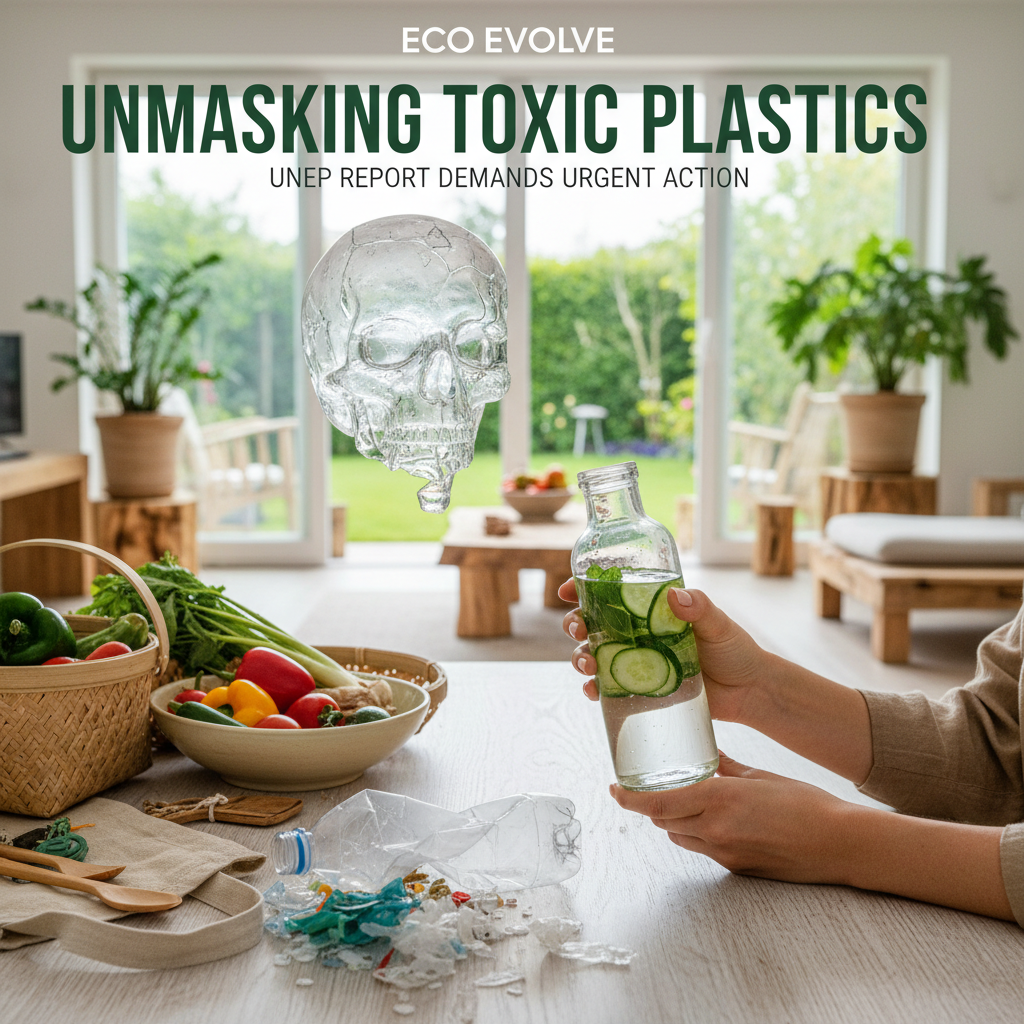
Key Takeaways
- UNEP's 'Chemicals in Plastics' report reveals hidden toxic chemicals are a major part of the plastic crisis, not just visible waste.
- Many chemicals in plastics, such as plasticizers and flame retardants, can leach into our environment and bodies, posing serious health risks.
- These chemicals contribute to environmental pollution, harm wildlife, and are linked to human health issues like hormonal disruption and cancer.
- Consumers can make a difference by choosing glass/stainless steel, avoiding certain plastic codes (like #3, #6, #7), and seeking 'BPA-Free' products.
- Advocacy for greater chemical transparency, stricter regulations, and supporting brands committed to non-toxic alternatives is crucial for systemic change.
The Invisible Threat Lurking in Our Everyday Plastics
Here at GreenNest Living, we’re passionate about empowering you to make sustainable choices that benefit both your well-being and our planet. We often talk about visible plastic pollution – the bottles washing ashore, the microplastics in our oceans. But what if we told you there’s an even more insidious threat, often invisible, embedded within the very plastics we interact with daily?
Today, drawing directly from UNEP News, we're delving into a critical new development: the “Chemicals in Plastics - A Technical Report.” This isn't just another scientific paper; it’s a wake-up call, a comprehensive overview that provides the state of knowledge on chemicals embedded in plastics. And its message is clear: based on compelling scientific evidence, urgent action is needed to address these chemicals as part of the global effort to combat plastic pollution.
This report fundamentally shifts our understanding of the plastic crisis. It’s not just about what we see, but what we don’t – the complex cocktail of additives, dyes, and stabilizers that give plastics their properties, but which also pose significant, often hidden, risks to human health and the environment. As advocates for sustainable living, understanding this dimension of plastic pollution is paramount to truly making a difference.
Decoding the Chemical Conundrum: More Than Just Waste
For decades, the narrative around plastic has largely focused on waste management: reduce, reuse, recycle. While these pillars remain crucial, the UNEP report highlights a deeper, more pervasive issue: the very composition of plastic materials. Plastics aren't just polymers; they are often a blend of hundreds, sometimes thousands, of chemicals, many of which are hazardous. These can include plasticizers, flame retardants, UV stabilizers, and colorants, some of which are known endocrine disruptors, carcinogens, or pose developmental risks.
The report underscores that these chemicals are not inert. They can leach out of plastic products into food, water, air, and soil, eventually making their way into our bodies and ecosystems. From children’s toys to food packaging, from textiles to construction materials, this chemical migration is a silent, ongoing exposure. The UNEP’s findings are a stark reminder that even seemingly 'clean' or recycled plastics can carry these chemical burdens, complicating efforts towards a truly circular economy if the chemical aspect isn't addressed.
This is particularly challenging because the exact chemical composition of many plastic products is often proprietary, making it difficult for consumers, and even regulators, to understand and assess potential risks. The report advocates for greater transparency and stricter regulations regarding chemical additives, moving beyond mere plastic waste reduction to comprehensive chemical management within the plastic lifecycle.
The Far-Reaching Impact: Health, Environment, and Our Future
The implications of these embedded chemicals are profound. Environmentally, they contribute to a persistent, global chemical burden. When plastics break down into microplastics and nanoplastics, these chemicals can be released and become more bioavailable, potentially accumulating in the food chain. Wildlife, from marine organisms to birds, can suffer from direct toxicity, reproductive issues, and developmental abnormalities.
For human health, the evidence is mounting. Exposure to certain plastic chemicals has been linked to a range of health concerns, including:
- Hormonal disruption and reproductive problems
- Increased risk of certain cancers
- Neurological and developmental issues, particularly in children
- Immune system dysfunction
- Respiratory problems
The UNEP report emphasizes that these aren't isolated incidents but a systemic problem requiring systemic solutions. It’s a call for producers to innovate towards safer chemical alternatives, for governments to enforce stronger regulations, and for consumers to demand greater accountability.
Empowering Your Choices: Actionable Steps for a Less Toxic Life
As conscious consumers and members of the GreenNest Living community, we have a powerful role to play. While systemic change is crucial, our individual choices create demand and send clear signals to the market. Here's how you can take action, guided by the insights from the UNEP report:
1. Be a Savvy Shopper: Understand Plastic Codes & Beyond
- Prioritize Glass, Stainless Steel, and Ceramic: For food storage and beverages, these are generally the safest bets.
- Learn the Resin Codes (Recycling Symbols): While these indicate recyclability, some plastics are generally safer than others. Aim to minimize plastics labeled with codes #3 (PVC), #6 (Polystyrene), and #7 (Other, often polycarbonate which can contain BPA). Opt for #1 (PET), #2 (HDPE), #4 (LDPE), and #5 (PP) where unavoidable, but remember these can still contain other additives.
- Look for 'BPA-Free' and 'Phthalate-Free': While not exhaustive, these labels indicate the absence of two notoriously harmful chemical groups often found in plastics.
- Research Brands: Support companies committed to full ingredient transparency and the use of non-toxic materials. Ask questions about their supply chains and chemical policies.
2. Reduce, Reuse, Rethink Your Plastic Footprint
- Embrace Reusables: Carry your own reusable water bottle, coffee cup, and shopping bags. This reduces exposure to single-use plastics which are often made with less scrutinized chemical additives.
- Avoid Heating Food in Plastic: Heat can cause chemicals to leach more readily. Transfer food to glass or ceramic before microwaving.
- Opt for Fresh & Unpackaged: Choose whole foods that come without plastic packaging whenever possible. Shop at farmers' markets or bulk stores with your own containers.
- DIY Cleaning & Personal Care: Many household and personal care products come in plastic containers. Consider making your own cleaners or purchasing products in refillable glass or aluminum.
3. Advocate for Systemic Change
- Support Policy Makers: Vote for and support politicians and policies that advocate for stricter chemical regulations, extended producer responsibility, and transparent chemical disclosure.
- Engage with Brands: Use your voice on social media, contact customer service, and participate in surveys to demand safer plastic alternatives and greater transparency from manufacturers.
- Spread Awareness: Share insights from the UNEP report and articles like this with your friends and family. The more informed we are, the stronger our collective voice becomes.
The Road Ahead: A Collective Journey to a Safer Tomorrow
The UNEP’s “Chemicals in Plastics - A Technical Report” is a landmark document that provides the crucial intelligence needed to tackle one of the most complex environmental challenges of our time. It’s a powerful call to move beyond surface-level solutions and address the foundational issues within plastic production.
For us at GreenNest Living, this report reinforces our belief that true sustainable living extends to understanding and mitigating the unseen hazards in our environment. By making informed choices, supporting responsible innovation, and advocating for robust policy, we can collectively steer towards a future where plastics serve humanity without compromising health or planet. It's a journey that requires vigilance, collaboration, and a deep commitment to creating a healthier, less toxic world for all.
Original source
GreenNest Living Editorial
Author, Digital Entrepreneur & AI Creator
More from Sustainable Living
- UK Women's Prize Highlights Literature's Crucial Role in a Greener Future — May 14, 2026
- Unearthing Wisdom: Islamic Philosophy's Green Insights — May 13, 2026
- Literature's Mirror: UK Prize Reflects on Sustainable Living — May 12, 2026
- Prague Fair Uncovers Regional Keys to a Greener Literary Future — May 11, 2026
- Comics & Graphic Novels: Driving Sustainable Stories in Eastern Europe — May 10, 2026