US Book Sales Plateau: A Call for Sustainable Reading?
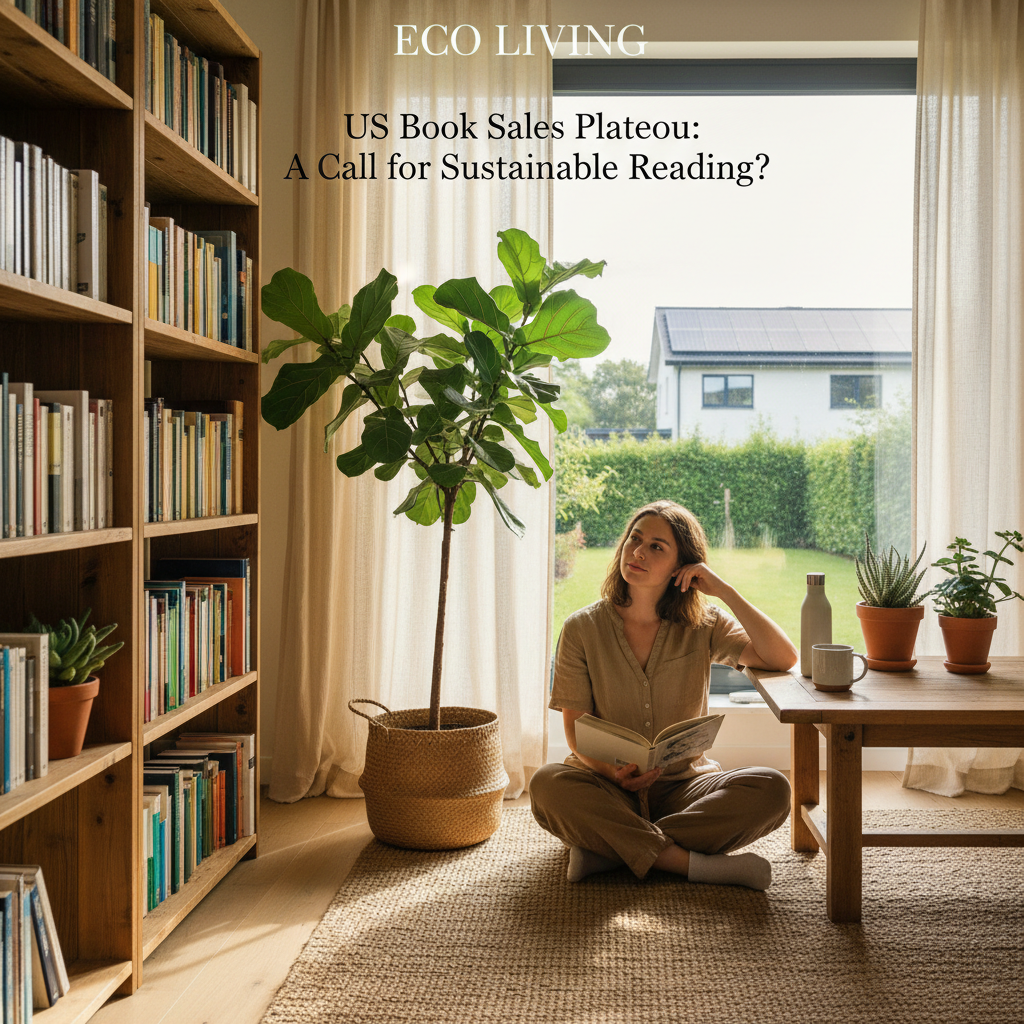
The latest report on U.S. book sales reveals a static beginning to 2026, a detail that, while seemingly minor, holds significant implications for how we engage with literature and the environmental footprint of our reading habits. This moment of plateau offers a unique opportunity to reflect on our consumption choices and steer them towards more sustainable practices.
TL;DR: Key Facts
- U.S. trade book sales were essentially flat in the first quarter of 2026.
- This data comes from the Association of American Publishers (AAP)'s initial report of the year.
- The report indicates a quiet start for the publishing industry in the United States.
- This performance contrasts with other global markets, such as Italy, which saw growth, partly driven by library purchases.
What Happened
According to the Association of American Publishers (AAP)'s first report for 2026, the U.S. trade book market experienced an 'essentially flat' performance during the first quarter. This means that overall sales figures for consumer-focused books—including fiction, non-fiction, and children's titles—showed neither significant growth nor decline compared to the same period in the previous year. The data points to a calm, perhaps even stagnant, start to the year for a sector that is often seen as a barometer for cultural engagement and consumer spending.
While specific reasons for this flatness were not detailed in the brief, the report highlights a stable, yet unremarkable, period for the industry. This calm before the storm, or perhaps simply a new normal, encourages us to look beyond immediate sales figures and consider the broader ecosystem of publishing, reading, and consumption.
Why It Matters
For GreenNest Living readers, 'flat' book sales in the U.S. aren't just an economic footnote; they present a fascinating juncture for sustainable living. A plateau in sales could indicate a few things: a shift in consumer habits, a saturation of the market, or perhaps even a subtle move towards more mindful consumption. From a sustainability perspective, this isn't necessarily negative. Reduced demand for new physical books could mean less paper production, lower energy consumption in printing and shipping, and a smaller overall carbon footprint associated with manufacturing new titles. It pushes us to consider the environmental impact of endless new releases versus the enduring value of existing literature.
Furthermore, a quiet market creates an imperative to support the sustainable pillars of the literary world. Independent bookstores, which often champion local authors and community events, rely on consistent sales to thrive. Libraries, as vital community hubs, offer a truly sustainable model for reading by promoting sharing and reuse, drastically reducing the need for individual purchases. This period encourages us to re-evaluate our role as readers: are we thoughtless consumers, or conscious participants in a literary ecosystem that values longevity, accessibility, and environmental responsibility?
Ultimately, flat sales are a call to action, urging us to explore alternatives to constant new purchases. It's an invitation to rediscover the joys of used bookstores, embrace the vast resources of our local libraries, and support authors and publishers committed to ethical and eco-friendly practices. This pause gives us the opportunity to foster a more resilient, community-focused, and environmentally sound approach to how we discover, read, and share stories.
What You Can Do
- Embrace Your Local Library: Make borrowing books your first choice. Libraries are the epitome of sustainable reading, promoting reuse and community sharing.
- Support Independent Bookstores: Purchase new books from local, independent shops. They often curate more thoughtfully and contribute directly to local economies.
- Buy Used: Explore second-hand bookstores, online marketplaces, or community book swaps. Giving books a second life reduces waste and conserves resources.
- Opt for Sustainable Publishing: When buying new, look for publishers committed to recycled paper, vegetable-based inks, and responsible sourcing practices.
- Read Thoughtfully: Choose books that resonate deeply with you, reducing impulse buys and ensuring your reading habits are aligned with mindful consumption.
- Gift Experiences, Not Just Items: Consider gifting library memberships or vouchers for local bookstores, encouraging sustainable literary habits in others.
Ciro's Take
As an environmental advocate, I see the quiet start to U.S. book sales not as a failure, but as a pivotal moment. It's a chance for us to pause and reflect on our consumption patterns, transforming our love for literature into a more sustainable passion. This isn't about reading less, but reading smarter – valuing the rich resources of our libraries, championing local bookstores, and extending the life of every book. Imagine a world where every book is cherished, shared, and given multiple lives; that's the kind of literary future we should all be striving for, one conscious choice at a time.
FAQs
Q: Does 'flat' sales mean the U.S. publishing industry is in trouble?
A: Not necessarily. 'Flat' indicates stable sales without significant growth or decline. It could reflect market maturity, changing consumer habits, or a shift in how people access content, rather than an industry in crisis.
Q: How does supporting libraries contribute to sustainable living?
A: Libraries promote the reuse and sharing of resources, significantly reducing the demand for new book production. This, in turn, lessens paper consumption, energy use in manufacturing and shipping, and overall waste, making them a cornerstone of circular economy principles for literature.
Q: Are e-books and audiobooks always more sustainable than physical books?
A: The sustainability of digital formats is complex. While they eliminate paper and shipping, they require energy for devices, servers, and data transmission. Their environmental footprint depends on factors like device longevity, energy sources, and how frequently one consumes digital content. A balanced approach, combining mindful physical and digital consumption, is often most sustainable.
Sources
This article is based on reporting by Publishing Perspectives.
Original source
Publishing Perspectives
Author, Digital Entrepreneur & AI Creator
More from Sustainable Living
- Italy's Library Boost: A Blueprint for Cultural Sustainability — May 21, 2026
- Libraries Propel Sustainable Growth in Italian Book Market — May 20, 2026
- Torino Prize Ignites Sustainable Innovation in Publishing — May 19, 2026
- Buenos Aires Book Fair: A Green Beacon for Community & Culture — May 18, 2026