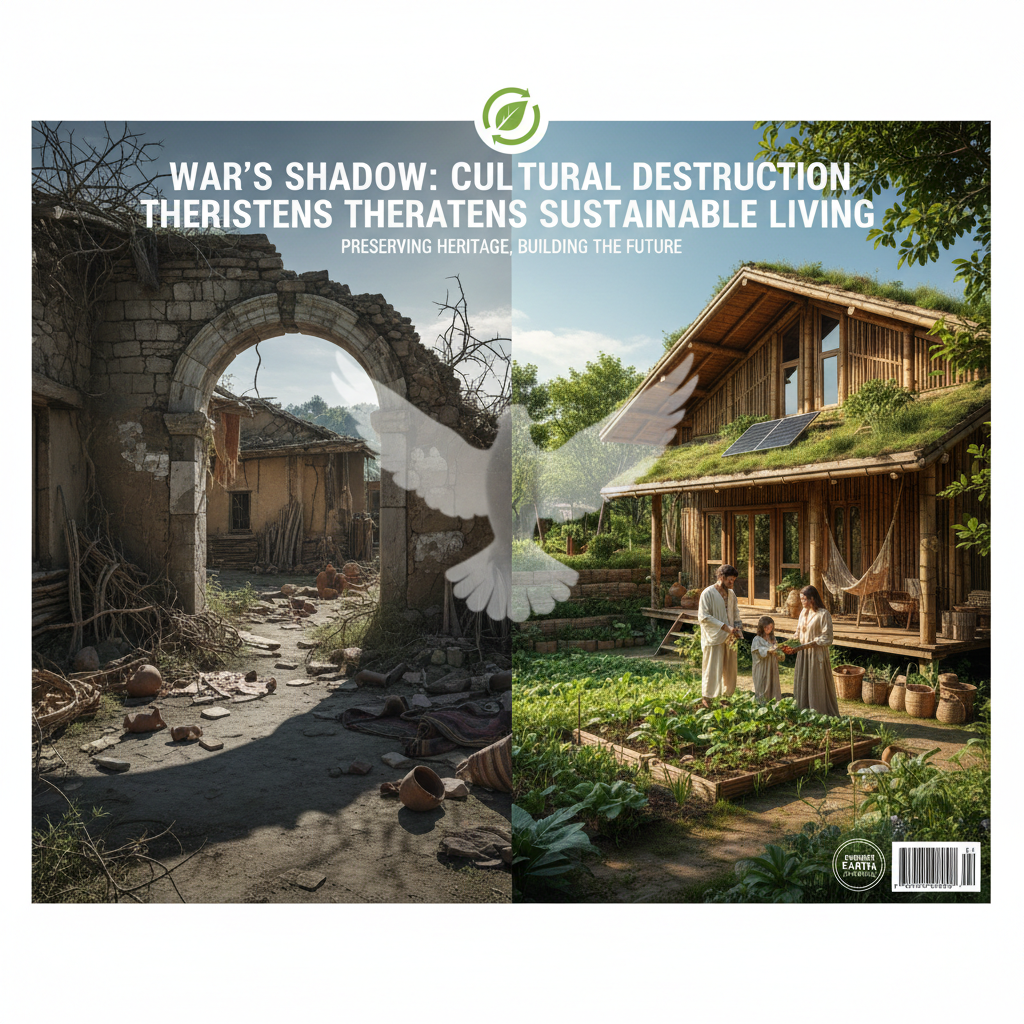
War's Shadow: Cultural Destruction Threatens Sustainable Living
Key Takeaways
- Iran's largest book chain, Book City, has suffered significant damage.
- At least six branches were hit in recent US-Israeli strikes.
- The damage impacts Iran's cultural infrastructure and access to knowledge.
- This highlights how conflict erodes cultural sustainability and hinders societal development.
- Protecting cultural institutions and fostering peace are integral to global sustainable living.
War's Shadow: Cultural Destruction Threatens Sustainable Living
In a world grappling with climate change and resource scarcity, the silent destruction of cultural institutions often goes unnoticed, yet it’s a profound threat to sustainable living. The recent damage to Book City, Iran’s largest and most significant book chain, reminds us that true sustainability extends beyond environmental metrics to encompass the preservation of knowledge, culture, and peace itself. This isn't just about buildings; it's about the erosion of community, education, and the fabric of a resilient society.
TL;DR: Key Facts
- Book City, Iran’s extensive network of bookstores and cultural centers, has sustained significant damage.
- At least six of its branches were reportedly hit in recent US-Israeli strikes.
- The organization is Iran's largest book chain, playing a crucial role in national cultural life.
- The damage represents a direct blow to cultural infrastructure and access to knowledge.
What Happened
Reports from "Publishing Perspectives" indicate that Book City, the most expansive book chain in Iran, has been severely impacted by recent military actions. This organization, renowned for its vast network of bookshops and cultural centers across the country, serves as a vital hub for literature, education, and intellectual discourse within Iranian society. The news confirms that a minimum of six of its branches have been damaged.
The damage occurred amidst reported US-Israeli strikes in the region, turning cultural spaces into casualties of conflict. Book City is not merely a retail outlet; it functions as a cornerstone of Iran's cultural landscape, providing access to books, hosting literary events, and fostering community engagement. Its extensive reach and significant role make its impairment a matter of national and cultural concern, signaling a broader threat to the nation’s intellectual and social fabric.
Why It Matters
For readers of GreenNest Living, the destruction of Book City branches might seem distant from conventional discussions of sustainable living. However, this incident is a stark reminder that true sustainability is holistic, encompassing not just environmental health but also social equity, cultural preservation, and the fundamental prerequisite of peace. When cultural institutions like bookstores are destroyed, it's not just bricks and mortar that are lost; it's access to knowledge, a platform for critical thinking, and a crucial space for community building that crumbles.
Cultural sustainability is a pillar of a thriving society. Books and literary spaces are essential for education, fostering empathy, preserving heritage, and inspiring innovation – all vital components for tackling global challenges from climate change to social injustice. The damage to Book City therefore represents a direct attack on Iran's capacity for cultural development and resilience. Moreover, the very act of war itself is profoundly unsustainable. Conflicts divert immense resources, cause widespread environmental degradation, displace populations, and shatter the social cohesion necessary for communities to adapt and build a sustainable future. The instability created by war makes any long-term sustainable development goals practically impossible to achieve.
The loss of these cultural hubs also impacts future generations. Independent thought, diverse perspectives, and the sharing of ideas, often facilitated by access to books and community literary events, are critical for developing engaged citizens who can advocate for and implement sustainable practices. When these pathways are disrupted, the potential for a society to evolve sustainably is severely hampered. This incident underscores that peace and the protection of cultural heritage are not peripheral issues but central to the global pursuit of a truly sustainable and equitable world.
What You Can Do
- Advocate for Peace: Support organizations working towards diplomatic solutions and conflict resolution globally. Peace is the bedrock of all sustainable development.
- Support Cultural Preservation: Donate to international organizations like UNESCO or local initiatives dedicated to protecting cultural heritage sites and institutions in conflict zones.
- Champion Literacy and Education: Support non-profits that promote literacy and provide books and educational resources, especially in underserved or conflict-affected regions.
- Engage with Global News: Stay informed about global conflicts and their human and cultural toll. Understanding the impact helps foster empathy and informed action.
- Support Independent Bookstores: Wherever you are, patronize your local independent bookstores. They are crucial cultural hubs that foster community and intellectual exchange.
- Promote Dialogue: Encourage open discussion and understanding across cultures, recognizing the shared value of knowledge and artistic expression.
FAQs
Q: What is Book City?
A: Book City is Iran's largest and most significant chain of bookstores and cultural centers, playing a vital role in the country's literary and intellectual life.
Q: How does the damage to Book City relate to sustainable living?
A: Sustainable living encompasses cultural preservation, access to education, community resilience, and peace. The destruction of cultural institutions like Book City undermines these fundamental elements, making it harder for societies to thrive sustainably.
Q: What are the broader implications of war on sustainability?
A: Beyond direct damage, war causes immense environmental degradation, diverts critical resources, displaces populations, and creates widespread instability, rendering efforts toward environmental and social sustainability incredibly difficult, if not impossible.
Sources
This article is based on reporting by Publishing Perspectives.
Original source
Publishing Perspectives
Author, Digital Entrepreneur & AI Creator
More from Sustainable Living
- UK Women's Prize Highlights Literature's Crucial Role in a Greener Future — May 14, 2026
- Unearthing Wisdom: Islamic Philosophy's Green Insights — May 13, 2026
- Literature's Mirror: UK Prize Reflects on Sustainable Living — May 12, 2026
- Prague Fair Uncovers Regional Keys to a Greener Literary Future — May 11, 2026
- Comics & Graphic Novels: Driving Sustainable Stories in Eastern Europe — May 10, 2026