Wastewater: Transforming a Global Problem into a Green Solution
Key Takeaways
- Wastewater is a growing environmental and health threat.
- Its greenhouse gas emissions are comparable to the global aviation industry.
- The UNEP report highlights its potential to be an invaluable resource.
- With appropriate policies, wastewater can provide alternative energy, recovered nutrients, and reclaimed water.
- Transforming wastewater management is crucial for achieving multiple Sustainable Development Goals.
We often flush and forget, but what goes down our drains is far from insignificant. A critical new report from the United Nations Environment Programme (UNEP) shines a spotlight on wastewater, revealing it not just as a growing health and environmental threat, but as an untapped goldmine of resources. At a time when sustainable solutions are more urgent than ever, understanding and transforming our approach to wastewater could be a game-changer for our planet.
TL;DR: Key Facts
- Wastewater is a growing global health and environmental threat.
- Its greenhouse gas emissions are comparable to those from the entire aviation industry.
- The UNEP report highlights its potential to be an invaluable resource.
- With appropriate policies, wastewater can provide alternative energy, recovered nutrients, and reclaimed water.
- Transforming wastewater management is crucial for achieving multiple Sustainable Development Goals.
What Happened
The recent UNEP communication, focusing on "Wastewater - Turning Problem to Solution," has brought a startling reality to the forefront: wastewater is a more significant contributor to climate change than many realize. The report underscores its current status as a major environmental challenge, impacting ecosystems and human health globally. Crucially, it highlights that the decomposition of organic matter in inadequately treated wastewater releases potent greenhouse gases, accounting for almost as many planet-warming emissions as the entire global aviation industry.
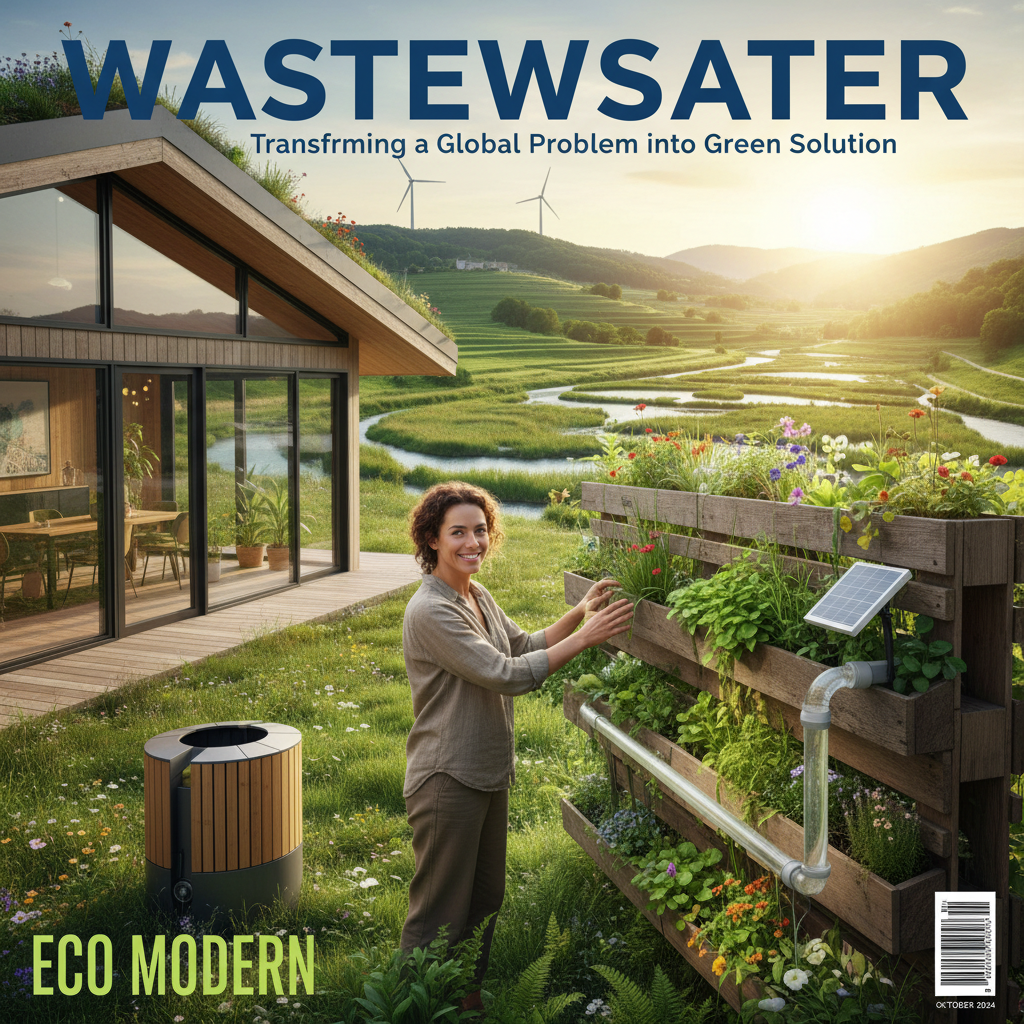
However, the narrative isn't one of despair. The same report meticulously outlines how, with the right policies, technological advancements, and strategic investments, wastewater can be transformed from a hazardous byproduct into an invaluable resource. This vision encompasses leveraging wastewater for alternative energy production (like biogas), recovering essential nutrients (such as phosphorus and nitrogen for fertilizers), and reclaiming water for various non-potable uses, thereby alleviating pressure on freshwater sources.
The core message is a call for a paradigm shift – from viewing wastewater as merely something to dispose of, to recognizing it as a critical component of a circular economy. The report emphasizes that this transformation is not only environmentally sound but also economically viable, paving the way for sustainable development and resource security in an increasingly resource-constrained world.
Why It Matters
For readers committed to sustainable living, this report isn't just about abstract global policies; it touches every aspect of our daily lives and the health of our planet. The revelation that wastewater emissions rival those of aviation should be a stark wake-up call. It means that our daily routines – from showering and doing laundry to cooking and using the toilet – contribute directly to climate change if wastewater isn't managed sustainably. This understanding elevates wastewater management from a mundane municipal service to a critical climate action.
Beyond climate impact, the concept of turning wastewater into a resource resonates deeply with the ethos of sustainable living. In a world grappling with water scarcity, energy crises, and the need for sustainable agriculture, the idea of converting a pollutant into clean water, renewable energy, and nutrient-rich fertilizers offers a powerful solution. It represents a tangible shift towards a circular economy where waste is minimized, and resources are continually reused, reducing our reliance on finite virgin resources and mitigating pollution.
Ultimately, this report underscores our interconnectedness with natural systems. By embracing innovative wastewater solutions, we not only protect fragile aquatic ecosystems and safeguard public health from waterborne diseases, but we also create new green jobs, foster technological innovation, and build more resilient, resource-independent communities. It’s a compelling example of how addressing one environmental challenge can unlock solutions for many others, driving us closer to a truly sustainable future where nothing is truly wasted.
What You Can Do
- Reduce Household Water Waste: Every drop saved is less wastewater to treat. Fix leaky faucets, take shorter showers, and only run dishwashers and washing machines with full loads.
- Mind What Goes Down the Drain: Avoid flushing chemicals, pharmaceuticals, non-biodegradable wipes, and excessive food scraps. These can contaminate water treatment processes and contribute to pollution.
- Support Green Infrastructure: Advocate for and support local and national investments in advanced wastewater treatment plants, green infrastructure (like wetlands for natural filtration), and nutrient recovery facilities in your community.
- Compost Food Scraps: Instead of sending food waste down the garbage disposal (which increases the organic load in wastewater), compost it. This turns food waste into valuable soil amendment.
- Educate Yourself and Others: Understand your local water cycle and wastewater treatment process. Share this knowledge with friends and family to raise awareness about this critical issue.
- Consider Greywater Systems: For homeowners, explore options for greywater recycling systems that divert water from sinks and showers for landscape irrigation, further reducing demand on fresh water supplies and lessening wastewater load.
FAQs
Q: How does wastewater contribute to climate change?
A: When organic matter in wastewater decomposes in the absence of oxygen (anaerobic conditions), it produces methane and nitrous oxide, both potent greenhouse gases far more powerful than carbon dioxide in warming the planet.
Q: What does UNEP mean by 'right policies' for wastewater transformation?
A: 'Right policies' typically refer to a combination of regulations for treatment standards, incentives for adopting new technologies, investment in modern infrastructure, frameworks for safe water reuse and nutrient recovery, and public awareness campaigns.
Q: Is it safe to use treated wastewater for drinking or agriculture?
A: Yes, with advanced treatment processes, reclaimed wastewater can be safely used for irrigation in agriculture, industrial processes, and even for potable (drinking) purposes. Many cities globally already incorporate treated wastewater into their drinking supplies after rigorous purification to meet strict safety standards.
Sources
This article is based on reporting by UNEP News.
Original source
UNEP News
Author, Digital Entrepreneur & AI Creator
More from Sustainable Living
- UK Women's Prize Highlights Literature's Crucial Role in a Greener Future — May 14, 2026
- Unearthing Wisdom: Islamic Philosophy's Green Insights — May 13, 2026
- Literature's Mirror: UK Prize Reflects on Sustainable Living — May 12, 2026
- Prague Fair Uncovers Regional Keys to a Greener Literary Future — May 11, 2026
- Comics & Graphic Novels: Driving Sustainable Stories in Eastern Europe — May 10, 2026