Are Your 'Healthy' Foods Truly Nutritious? New Study Investigates
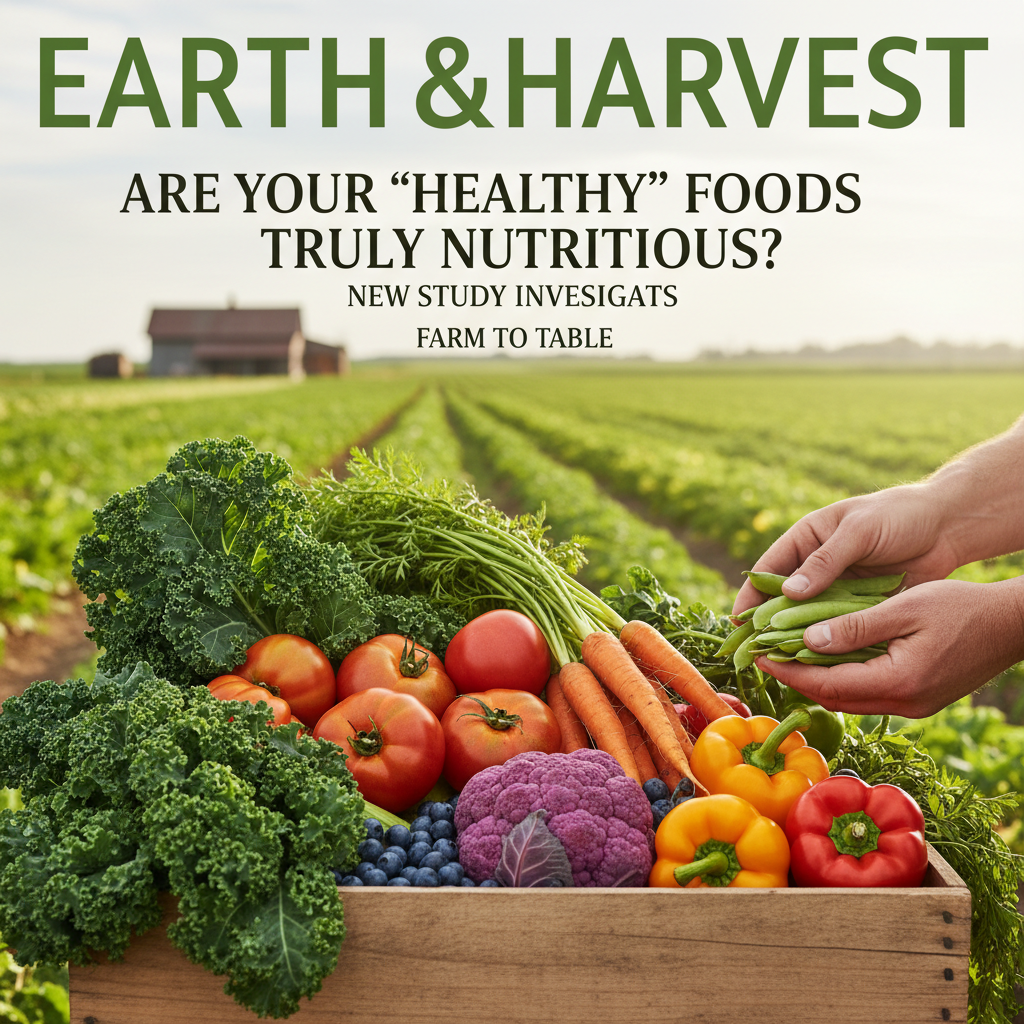
Key Takeaways
- The Regen Nutrition Project is measuring if regenerative farming leads to more nutrient-dense food.
- This research highlights the direct impact of agricultural methods on the nutritional quality of our produce.
- It could provide a powerful economic incentive for farmers to adopt environmentally friendly practices.
- Understanding nutrient density empowers consumers to make healthier, more sustainable food choices.
- The project bridges the gap between environmental sustainability and tangible human health benefits.
We often hear about the benefits of 'healthy' eating, but what if the very nutritional quality of our food is declining due to modern farming? A groundbreaking new initiative is now questioning whether current agricultural practices are impacting the nutrient density of our produce, urging us to look beyond broad labels to the heart of how our food is grown.
TL;DR: Key Facts
- The Regen Nutrition Project aims to scientifically measure the actual nutrient density of foods.
- It seeks to understand if regenerative farming practices consistently result in healthier, more nutritious produce.
- The project highlights a critical gap in our current understanding of how agricultural methods impact food quality.
- This research suggests a potential direct link between ecologically sound farming and improved human health outcomes.
What Happened
The Regen Nutrition Project, recently highlighted by Food Tank, is embarking on an ambitious scientific endeavor to quantify the nutritional content of foods cultivated under various farming systems. This pioneering initiative stems from a growing suspicion among consumers, health professionals, and scientists alike that despite appearances, not all food is created equal in its ability to truly nourish us. As our food system has often prioritized yield and convenience, there’s a critical need to understand the unintended consequences on nutritional value.
The core premise is simple yet profound: Can regenerative agriculture, a holistic set of practices focused on enhancing soil health, fostering biodiversity, and restoring ecosystem resilience, produce foods that are not only environmentally sustainable but also inherently superior in their nutrient profile? Researchers involved in the project are meticulously measuring a broad spectrum of vital compounds – including vitamins, minerals, phytonutrients, and antioxidants – in produce grown using regenerative methods versus conventional or even standard organic approaches. This detailed analysis aims to move beyond anecdotal evidence.
By collecting and rigorously analyzing this comprehensive data, the project seeks to provide concrete scientific evidence that could revolutionize how we perceive and value food. It moves beyond broad, qualitative claims to specific, measurable insights into how distinct farming choices directly translate to the quality of what ends up on our plates, offering a clearer picture of true food value.
Why It Matters
This research is critically important for the 'Food & Environment' sphere because it directly links ecological farming practices to tangible, measurable benefits for human health. For too long, the conversation around sustainable food has primarily focused on environmental impact – issues like carbon sequestration, water conservation, and biodiversity preservation – without sufficiently addressing the direct, physiological consequences for the consumer's body. The Regen Nutrition Project powerfully shifts this paradigm, proposing that a healthier planet leads to healthier people, not just in an abstract sense, but demonstrably through more nutrient-dense food that actively contributes to well-being.
For GreenNest Living readers, this isn't just academic farming research; it's about empowerment and informed choice. Understanding that the very way our food is grown profoundly affects its nutritional value can help us make more discerning decisions, driving demand towards agricultural systems that prioritize both rigorous environmental stewardship and our personal well-being. It also places a vital pressure point on the wider food industry to consider nutrient density as a key metric of quality, potentially leading to a fundamental re-evaluation of agricultural subsidies, food labeling standards, and public health policy.
Furthermore, if regenerative systems conclusively prove to yield more nutritious foods, it provides a compelling economic incentive for farmers globally to adopt these vital methods. This creates a powerful, virtuous cycle where environmental regeneration is not only ecologically necessary but also financially rewarded, and public health is simultaneously and significantly improved. This kind of scientific backing could be a genuine game-changer, fostering a future food system that truly serves both people and planet in equal measure.
What You Can Do
- Support Regenerative Farms: Look for certifications or direct-to-consumer options from farms actively practicing regenerative agriculture in your area.
- Ask Your Grocer: Inquire about the farming practices behind the produce they stock and advocate for nutrient-dense, sustainably grown options.
- Educate Yourself: Delve deeper into understanding regenerative agriculture and its multifaceted benefits for both soil health and food quality.
- Grow Your Own: Even a small herb garden or raised bed can teach you about healthy soil and potentially yield more nutritious, flavorful produce.
- Prioritize Local & Seasonal: Freshly harvested, local produce often retains more nutrients than food that travels long distances or is stored for extended periods.
- Demand Transparency: Support initiatives and brands that are transparent about their sourcing, farming methods, and commitment to environmental stewardship.
Ciro's Take
As someone deeply invested in the health of our planet and its inhabitants, the Regen Nutrition Project resonates profoundly with me. For years, we've debated the environmental cost of food, but this research bridges the critical gap to human health, offering a quantifiable link. It challenges the assumption that 'food is food,' regardless of how it's grown. If we can scientifically prove that regenerative practices not only heal our soils but also fortify our bodies with more vital nutrients, it's an undeniable call to action for every farmer, policymaker, and consumer. This isn't just about sustainability; it's about reclaiming the true essence of nourishment and ensuring a future where our food truly sustains us, body and soul.
FAQs
Q: What is regenerative agriculture?
Regenerative agriculture is a holistic farming approach focused on improving soil health, biodiversity, and ecosystem services. Practices include minimal tillage, cover cropping, diverse crop rotation, and integrated livestock, aiming to reverse climate change by rebuilding soil organic matter and restoring degraded soil biodiversity.
Q: How do current conventional farming practices affect nutrient density?
Conventional farming often relies heavily on synthetic fertilizers and pesticides, which can deplete soil microbiota and reduce the availability of micronutrients essential for plant uptake. Intensive cultivation can also degrade soil structure, leading to less efficient nutrient absorption by plants and a potential decline in the overall nutritional content of produce over time.
Q: Why haven't we measured food nutrient density more broadly before?
Historically, the primary focus in agriculture has been on maximizing yield, improving disease resistance, and ensuring cosmetic appeal. Measuring nutrient density is complex and costly, requiring sophisticated analytical techniques and a comprehensive approach. However, growing awareness of chronic health issues and environmental concerns is now driving increased interest and investment in this critical area of research.
Sources
This article is based on reporting by Food Tank.
Original source
Food Tank
Author, Digital Entrepreneur & AI Creator
More from Food & Environment
- Gardening: A Neurosurgeon's Secret to Longevity & Well-being — May 13, 2026
- Farm to School: Nourishing Kids, Cultivating Community Growth — May 12, 2026
- High-Risk Cheese Outbreak: FDA Alert Amid E. coli Fears — May 11, 2026
- Australia Battles Food Waste: A Global Sustainability Push — May 9, 2026