Farm to School: Nourishing Kids, Cultivating Community Growth
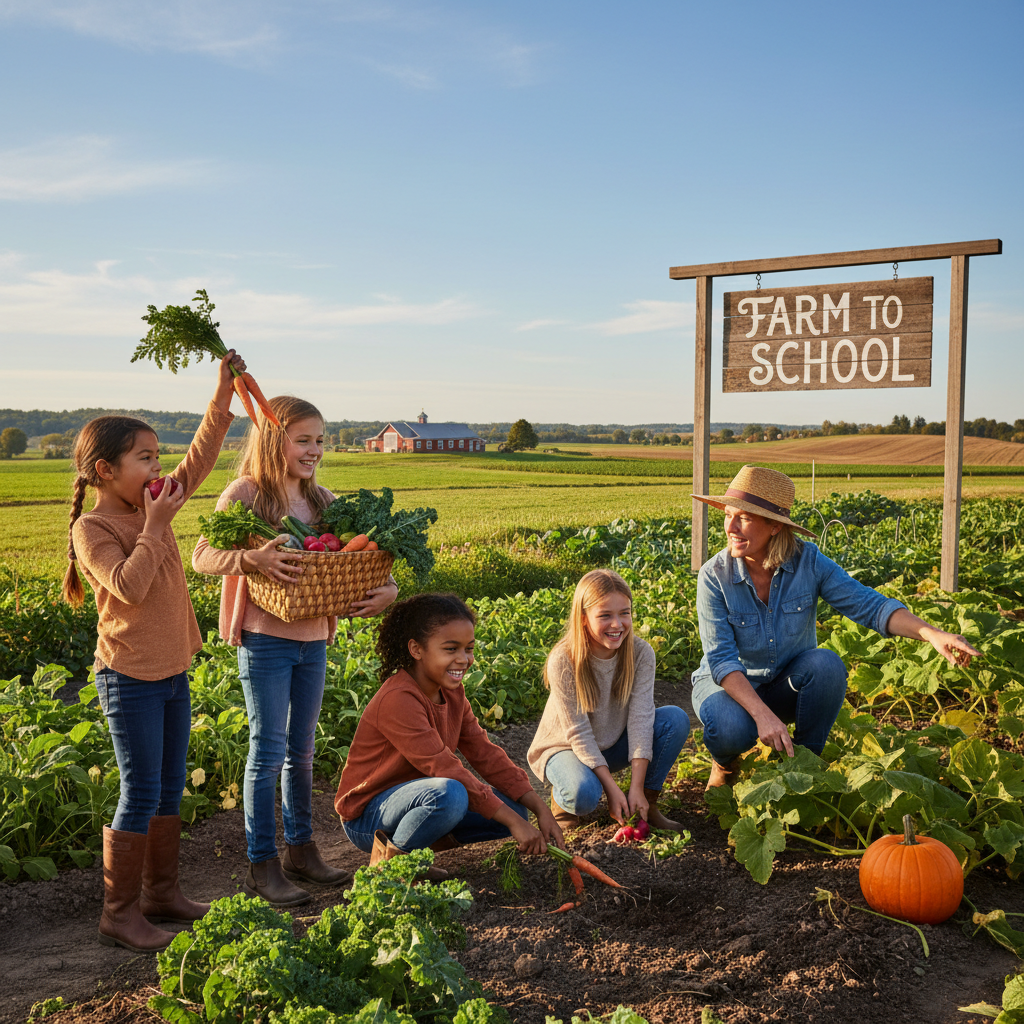
Key Takeaways
- Film highlights Farm to School benefits.
- Nourishes students with fresh, local food.
- Strengthens local economies by supporting farmers.
- Promotes sustainable agriculture and land care.
- The Henry Ford Museum is promoting this movement.
The simple act of children eating lunch at school can transform our food systems. A new film making waves across the country highlights an inspiring movement that connects cafeterias directly to local farms, proving that school meals can be a powerful engine for community health and environmental stewardship.
TL;DR: Key Facts
- The film “Farm to School Lunch Across America” showcases the broad impact of Farm to School programs.
- These initiatives demonstrably nourish students with fresh, healthy food.
- They simultaneously strengthen local economies by creating stable markets for regional farmers.
- The movement fosters sustainable agricultural practices and responsible land care.
- The Henry Ford Museum is actively promoting this transformative film in cities like New York.
What Happened
The Henry Ford, a renowned institution dedicated to American innovation and ingenuity, recently brought the impactful film “Farm to School Lunch Across America” to New York City. This cinematic endeavor shines a spotlight on the burgeoning Farm to School movement, illustrating how it transcends mere meal provision to become a cornerstone of community development. The film’s premise is straightforward yet profound: school meals, when sourced thoughtfully, possess the power to nourish students far beyond their plates.
The documentary meticulously proves that through the Farm to School model, children receive access to fresh, nutritious food, directly improving their health and learning capabilities. Simultaneously, the program establishes vital economic arteries, channeling funds directly to local farmers. This financial support not only sustains agricultural livelihoods but also encourages environmentally conscious farming practices, ensuring the land is cared for responsibly. The film posits that these programs are not just isolated initiatives but rather a blueprint for a more resilient and sustainable national food system, showing how schools can become pivotal hubs for local food economies.
Why It Matters
For GreenNest Living readers, the Farm to School movement represents a tangible, scalable solution to some of the most pressing challenges in our food and environment landscape. Environmentally, it significantly reduces the carbon footprint associated with food transportation by favoring local produce over items shipped long distances. It often encourages diversified farming practices, moving away from monoculture, which can improve soil health, increase biodiversity, and reduce reliance on synthetic inputs. When schools commit to local sourcing, they create a consistent demand that empowers farmers to adopt more sustainable and regenerative practices, knowing they have a reliable market.
From a social and economic perspective, this initiative is a game-changer. It ensures that children, regardless of their socioeconomic background, have access to healthy, fresh food, combating childhood obesity and improving concentration and learning outcomes. For local communities, it means dollars spent on school meals circulate within the regional economy, supporting family farms and creating local jobs. This fosters a stronger sense of community pride and connection to food sources, educating young people about where their food comes from and the value of sustainable agriculture. It’s a holistic approach that cultivates not just healthy eaters, but also informed citizens and thriving local ecosystems.
What You Can Do
- Engage with Your Local School District: Ask about their food procurement policies and advocate for the inclusion or expansion of Farm to School programs.
- Support Local Farmers: Shop at farmers' markets, join a Community Supported Agriculture (CSA) program, or seek out restaurants that prioritize local ingredients.
- Join or Start a School Wellness Committee: Volunteer your time to help shape healthier food environments and educational initiatives within your children’s schools.
- Educate Yourself and Others: Learn more about the benefits of local and sustainable food systems and share this knowledge with your community.
- Contact Your Elected Officials: Urge local, state, and national representatives to support policies and funding for Farm to School initiatives and local food infrastructure.
- Watch the Film: Seek out "Farm to School Lunch Across America" to gain deeper insights and share its message with friends and family.
Ciro's Take
As an environmental advocate, seeing the tangible impact of programs like Farm to School fills me with immense hope. It’s easy to feel overwhelmed by the scale of our environmental and food system challenges, but this movement demonstrates a simple yet profound truth: change can start right in our children's lunchrooms. It’s more than just providing a meal; it’s about investing in the health of our kids, the vitality of our local economies, and the future of our planet's soil. This isn't just policy or a theory; it's a living, breathing example of how we can cultivate a better world, one bite at a time. It reminds me that even the smallest, most localized actions can spark a “flywheel” of positive transformation.
FAQs
Q: What exactly is "Farm to School"?
A: Farm to School refers to programs that connect schools (K-12) with local farms to serve healthy, locally grown food in school cafeterias. It often includes educational components like farm visits and school gardens.
Q: How does Farm to School benefit the environment?
A: By sourcing food locally, these programs reduce transportation emissions (food miles). They also support farmers who often employ more sustainable and regenerative practices, contributing to healthier soil, water conservation, and biodiversity.
Q: Can I find out if my local school participates in Farm to School programs?
A: Yes! You can contact your school district's nutrition services or food director, visit the National Farm to School Network website, or check your state's Department of Agriculture or Education websites for resources and participating schools.
Sources
This article is based on reporting by Food Tank.
Original source
Food Tank
Author, Digital Entrepreneur & AI Creator
More from Food & Environment
- Gardening: A Neurosurgeon's Secret to Longevity & Well-being — May 13, 2026
- High-Risk Cheese Outbreak: FDA Alert Amid E. coli Fears — May 11, 2026
- Are Your 'Healthy' Foods Truly Nutritious? New Study Investigates — May 10, 2026
- Australia Battles Food Waste: A Global Sustainability Push — May 9, 2026