Benton End's Rebirth: A Historic Garden's New Chapter
Key Takeaways
- Benton End, a Suffolk garden, is reopening after 40 years.
- It was historically a vibrant hub for artists, poets, and gardeners.
- The garden housed a unique art school where creativity and nature converged.
- Its revival emphasizes preserving heritage and a distinctive gardening philosophy.
- This rebirth showcases the blend of art, community, and unconventional horticulture.
Benton End's Rebirth: A Historic Garden's New Chapter
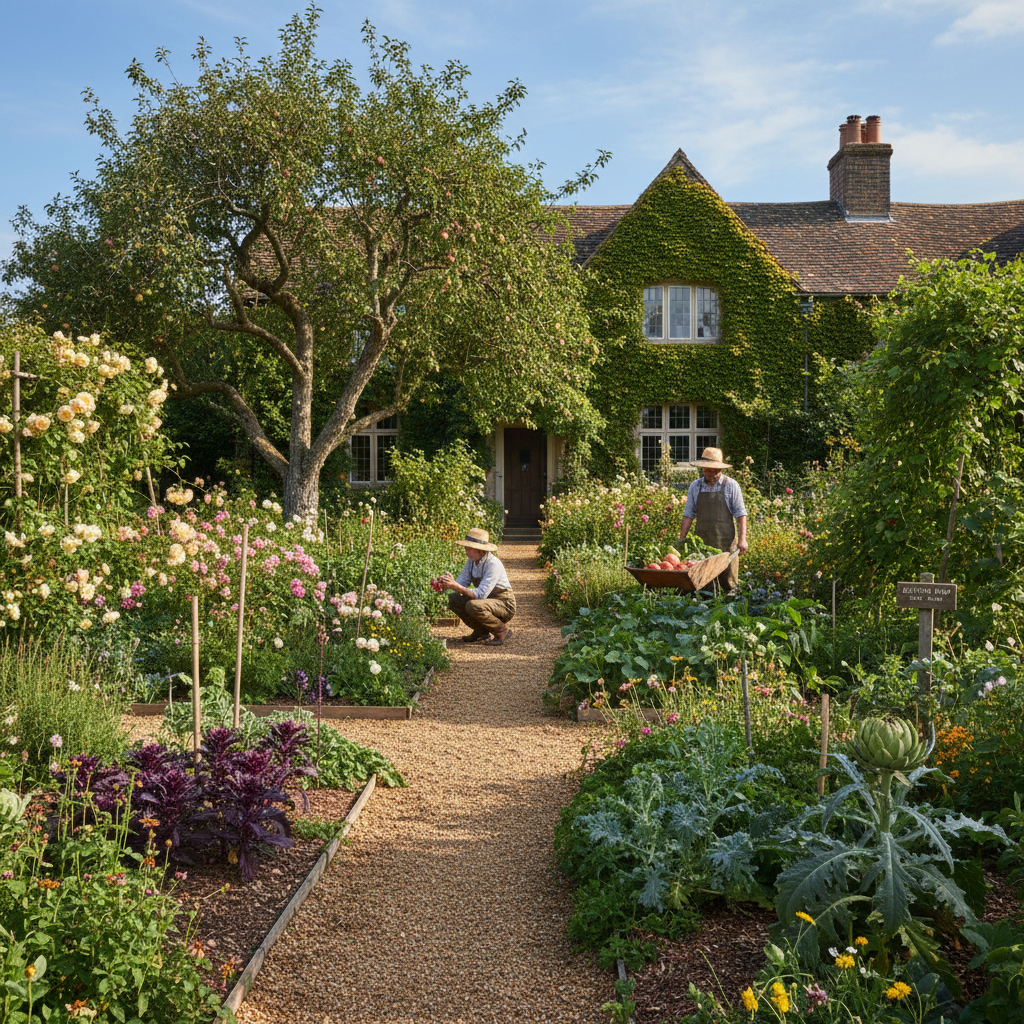
In an age where garden spaces increasingly lean towards manicured perfection or purely ecological restoration, the revival of Benton End offers a refreshing narrative. This storied Suffolk garden, once a crucible for artistic and horticultural innovation, is set to reopen its gates, inviting a new generation to explore its unique blend of art, nature, and community spirit.
Its reawakening isn't just about restoring plants; it's about rekindling a philosophy where gardening is an expressive art form, deeply intertwined with creativity and a free-spirited approach to life. This news reminds us that gardens can be more than just green spaces – they can be cultural touchstones.
TL;DR: Key Facts
- Benton End, a historic garden in Suffolk, UK, is embarking on a new era of revival after being closed for approximately 40 years.
- It was historically a vibrant center for art, poetry, and gardening, attracting a diverse community of creatives and free-spirited individuals.
- The garden served as the backdrop for a unique art school, fostering an environment where gardening and artistic expression converged.
- Its reopening signifies a renewed focus on preserving its unique heritage and re-establishing its role as a cultural and horticultural beacon.
What Happened
For roughly four decades, the gates to Benton End in Suffolk, UK, remained closed, sealing off a chapter of rich artistic and horticultural history. This wasn't just any garden; it was the unconventional home of an art school that served as a magnet for a particular kind of individual – artists, poets, flaneurs, composers, and free-spirited gardeners and cooks. They gathered around dining tables, exchanging ideas, honing their crafts, and finding inspiration in its unique setting.
This garden was a crucible where creativity bloomed alongside plants, fostering a philosophy that viewed gardening as an integral part of artistic and personal expression. Its eclectic community and distinctive approach made it a revered, if somewhat clandestine, hub for those seeking an alternative path in both art and nature.
Now, Benton End is poised for a significant revival, signaling a new era for this cherished cultural landmark. The details of its reopening promise to bring its distinctive spirit back to life, inviting contemporary audiences to discover the magic that once drew so many luminaries to its grounds.
Why It Matters
The re-emergence of Benton End is a significant moment for the “Garden & Plants” community, extending far beyond simple horticulture. It underscores the profound importance of preserving garden heritage, not just as historical sites, but as living repositories of unique gardening philosophies and cultural movements. In an era where biodiversity loss is a critical concern, celebrating such historically rich gardens reminds us of the diverse ways humans have interacted with, shaped, and been shaped by nature, offering valuable lessons in adaptability and aesthetic diversity.
Furthermore, Benton End’s legacy highlights the intrinsic connection between creativity and the natural world. For GreenNest Living readers, this isn't just about admiring an old garden; it’s about understanding how environments can foster innovation and inspire a deeper, more mindful relationship with plants. It challenges the notion that gardens must fit into prescriptive categories (e.g., purely ornamental or purely edible), instead championing a holistic approach where aesthetic beauty, ecological thoughtfulness, and artistic expression coexist and thrive.
This revival also speaks to the power of community and shared spaces. Benton End was a hub, a gathering place for like-minded individuals. Its rebirth offers a blueprint for creating contemporary communal gardens or ecological projects that serve not only environmental purposes but also foster human connection, creativity, and shared learning. It encourages us to look beyond our own plots and consider how gardens can act as catalysts for cultural enrichment and sustainable community building.
What You Can Do
- Explore Local Garden History: Research historic gardens or unique horticultural sites in your own region. Many untold stories and innovative practices await discovery.
- Support Garden Preservation: Contribute to or volunteer with organizations dedicated to restoring and maintaining significant gardens. Your efforts help keep these living legacies alive.
- Integrate Art into Your Garden: Consider your garden a canvas. Experiment with unconventional plant pairings, found objects, or artistic layouts that reflect your personal aesthetic, breaking free from traditional norms.
- Seek Out Community: Look for local garden clubs, workshops, or online communities that celebrate diverse gardening styles. Engage in discussions that challenge conventional approaches.
- Visit Restored Gardens: Plan a visit to Benton End (when fully accessible) or other historically significant gardens. Witness firsthand how design, plants, and history intertwine.
- Champion Unique Plants: Explore and cultivate less common or heritage plant varieties in your garden, contributing to botanical diversity and honoring horticultural tradition.
Ciro's Take
The story of Benton End’s reawakening resonates deeply with me as an environmental advocate. It’s a powerful reminder that sustainability isn’t just about eco-friendly practices; it’s also about cultural resilience and the preservation of diverse human-nature relationships. In a world increasingly homogenized, these unique spaces, where art and nature intertwine with a free spirit, offer a vital counter-narrative. They teach us that true 'green living' also encompasses the wild, the unconventional, and the deeply personal connection we forge with our environment, inspiring a broader definition of ecological stewardship that values history, creativity, and community.
FAQs
Q: What is Benton End?
A: Benton End is a historic garden located in Suffolk, UK, which previously housed an unconventional art school and served as a significant cultural and horticultural hub for artists, poets, and gardeners for decades.
Q: Who founded or was associated with Benton End?
A: While the article doesn't name specific founders, it mentions the garden was a magnet for a diverse group including artists, poets, and 'freewheeling' gardeners, suggesting it attracted various creative and unconventional personalities who found inspiration there.
Q: What makes Benton End unique?
A: Its uniqueness stems from its dual role as both a garden and an art school, fostering a philosophy where gardening was considered an artistic and expressive act. It cultivated a free-spirited, communal atmosphere that blended horticulture with broader cultural pursuits.
Sources
This article is based on reporting by Gardenista.
Original source
Gardenista
Author, Digital Entrepreneur & AI Creator
More from Garden & Plants
- Cultivating Joy: Finding Personal Fulfillment in Ecological Gardens — June 3, 2026
- Mindful May: Discovering Sustainable Inspiration — June 2, 2026
- Terrain's New Book: Redefining Sustainable Container Gardening — June 1, 2026
- Beyond the Formula: Reimagining Summer Container Gardens — May 31, 2026