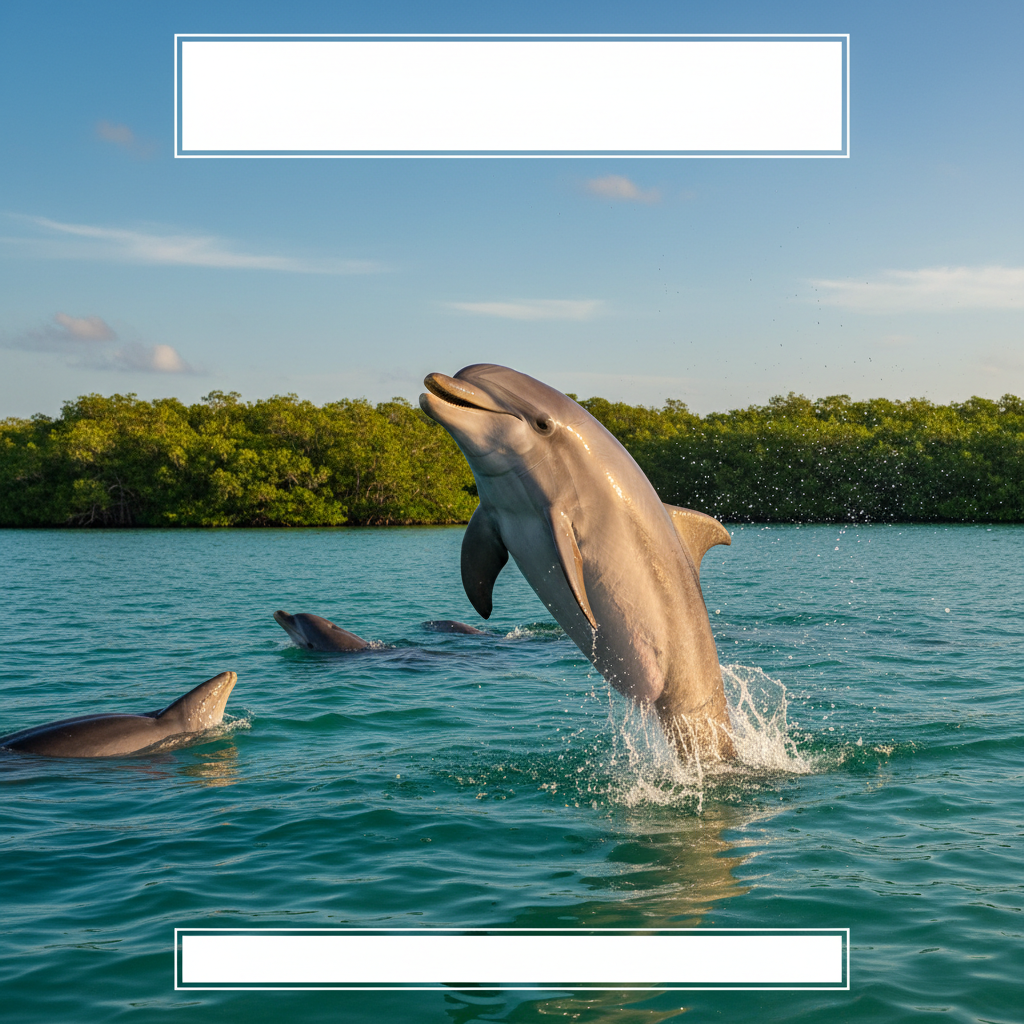
Bird Flu Strikes Florida Dolphins: A Silent Threat to Marine Life
Key Takeaways
- Ten bottlenose dolphins died in Florida's Indian River Lagoon.
- Deaths linked to highly pathogenic avian influenza (bird flu).
- This incident marks a concerning transmission of HPAI to marine mammals.
- It signals an escalating threat to wildlife health and ecological stability.
- The news underscores the urgent need for environmental protection and sustainable practices.
The tragic deaths of ten bottlenose dolphins in Florida’s Indian River Lagoon, linked directly to the highly pathogenic avian influenza (HPAI), signals a grave warning for our interconnected ecosystems. This unusual jump of bird flu into marine mammals isn't just a story about wildlife; it’s a critical indicator of broader environmental health challenges that impact all living beings, including our cherished companion animals. It compels us to consider the ripple effects of global health crises on the delicate balance of nature.
TL;DR: Key Facts
- Ten bottlenose dolphins have died in Florida’s Indian River Lagoon.
- Their deaths have been linked to avian influenza (bird flu).
- This marks a concerning instance of HPAI affecting marine mammals.
- The Indian River Lagoon is a vital and biodiverse estuary.
- The news highlights the increasing vulnerability of wildlife to emerging diseases.
What Happened
Independent news platform, The Animal Reader, based in the Netherlands, recently reported a distressing development from Florida, United States. According to their updates, a cluster of ten bottlenose dolphin deaths has occurred within the biodiverse Indian River Lagoon. Investigations have confirmed that these tragic fatalities are directly associated with the highly pathogenic avian influenza, commonly known as bird flu.
The discovery of avian influenza in marine mammals, particularly dolphins, is an alarming finding. While HPAI outbreaks have frequently devastated bird populations globally and occasionally spread to other mammals like seals, its confirmed presence and lethal impact on multiple cetaceans in a single event highlight an escalating threat to wildlife health and ecological stability.
This incident underscores the pervasive reach of diseases that originate in one species and then spill over into others, often with devastating consequences. The Indian River Lagoon, a crucial estuary known for its rich biodiversity, now faces the added pressure of this viral threat impacting its iconic marine inhabitants.
Why It Matters
While seemingly a distant wildlife issue, the bird flu outbreak among Florida's dolphins holds significant implications for "PetCare" in a broader, environmental sense, and for GreenNest Living’s commitment to sustainable living. Our pets, whether dogs or cats, exist within the same complex ecosystems as these wild animals. A disease capable of jumping from birds to marine mammals demonstrates the porous boundaries between species and the potential for new pathogens to emerge and spread, impacting the health of all creatures, including those sharing our homes.
This incident serves as a stark reminder that environmental health is intrinsically linked to the health of our domestic animals. When wild populations are under stress from disease, pollution, or habitat loss, it signals an imbalance that can eventually affect humans and their pets. The "One Health" concept—recognizing that the health of people is connected to the health of animals and our shared environment—is critically relevant here. Maintaining healthy ecosystems is not just for the dolphins; it's a preventative measure for the well-being of our own animal companions.
Furthermore, for readers of GreenNest Living, this news emphasizes the urgent need for a more sustainable approach to how we interact with our environment. The origins and spread of avian influenza are often tied to intensive agricultural practices and global travel, demonstrating how human activities can inadvertently create conditions for novel disease emergence and transmission. Protecting biodiversity, reducing environmental degradation, and supporting robust wildlife health are essential components of sustainable living, directly contributing to a safer, healthier world for all, including our beloved pets.
What You Can Do
Here are practical steps GreenNest Living readers can take to contribute to a healthier planet, protecting both wild animals and the pets we love:
- Support Wildlife Conservation: Donate to or volunteer with organizations dedicated to marine conservation and wildlife protection, especially those focused on avian and marine mammal health.
- Report Sick or Deceased Wildlife: If you encounter sick or dead wild animals, particularly birds or marine life, contact your local wildlife authorities or animal control immediately. Do not approach or touch them.
- Practice Responsible Pet Ownership: Keep your pets, especially dogs, leashed and away from wild animals or areas where sick wildlife might be present to prevent potential disease transmission.
- Reduce Your Ecological Footprint: Embrace sustainable practices in your daily life—reduce waste, conserve water, support ethical food systems—to minimize human impact on natural habitats and reduce disease risk.
- Stay Informed and Advocate: Educate yourself about local and global environmental issues, including emerging wildlife diseases. Advocate for policies that promote animal welfare, biodiversity protection, and sustainable agriculture.
- Maintain Biosecurity: If you have backyard poultry or frequently interact with wild birds, practice strict biosecurity measures (e.g., cleaning footwear, separating flocks) to prevent the spread of diseases.
FAQs
Q: Can bird flu affect domestic pets like dogs and cats?
While less common, some strains of avian influenza can infect domestic animals, including cats and, in very rare cases, dogs. Transmission typically occurs through direct contact with infected birds or contaminated environments. Symptoms can range from mild to severe, and in some instances, fatal. It's crucial to consult a veterinarian if your pet shows unusual symptoms after potential exposure to sick wild birds.
Q: How does bird flu spread to marine mammals?
The exact transmission route for HPAI to marine mammals like dolphins is still under investigation but is believed to occur primarily through contact with infected birds or their waste. This could involve consuming infected prey (such as fish that have eaten infected birds or scavenged carcasses), direct contact with infected bird carcasses, or exposure to contaminated water. The unusual nature of this transmission highlights the adaptive potential of the virus and the vulnerability of diverse species.
Q: What is the Indian River Lagoon?
The Indian River Lagoon is a 156-mile-long estuary on Florida's Atlantic coast, renowned for being one of the most biodiverse estuaries in North America. It is home to thousands of species of plants and animals, including manatees, dolphins, and numerous bird species. The lagoon faces various environmental challenges, including pollution and habitat degradation, making outbreaks like avian influenza particularly concerning for its fragile ecosystem.
Sources
This article is based on reporting by The Animal Reader.
Original source
Whole Dog Journal
Author, Digital Entrepreneur & AI Creator
More from PetCare
- Rescue Dogs: Nurturing a New Beginning in Your Green Home — May 14, 2026
- Beagle Rescue: Unmasking the Ethics of Pet Product Testing — May 13, 2026
- Fresh Home, Happy Pup: Sustainable Ways to Beat Pet Odors — May 11, 2026
- Green PetCare: The Truth About Vaseline and Your Dog — May 10, 2026
- Mass Beagle Rescue Shines Light on Ethical Pet Sourcing — May 9, 2026