Bird Flu's Tragic Toll: Florida Dolphins Sound Alarm
Key Takeaways
- Bird flu has caused the deaths of 10 bottlenose dolphins in Florida's Indian River Lagoon.
- This highlights the spread of avian influenza beyond avian species to marine mammals.
- The event signals a critical environmental health concern with potential broader ecological impacts.
- It underscores the importance of planetary health for the well-being of all animals, including domestic pets.
The delicate balance of our ecosystems is increasingly under threat, and recent news from Florida serves as a stark reminder of these profound environmental pressures. What was once thought of primarily as a concern for poultry farms and wild birds, avian influenza, or bird flu, has now tragically impacted marine mammals. The discovery of bird flu as the cause of death for ten bottlenose dolphins in the biodiverse Indian River Lagoon is not just a local tragedy; it's a critical signal about the interconnected health of our planet and all its inhabitants, including our cherished pets.
TL;DR: Key Facts
- Bird flu has been directly linked to the deaths of ten bottlenose dolphins.
- The tragic incident occurred in the Indian River Lagoon, located in Florida, United States.
- This event highlights the increasing spread of avian influenza beyond avian species to marine mammals.
- The news was reported by The Animal Reader, an independent platform focused on animal and environmental updates.
What Happened
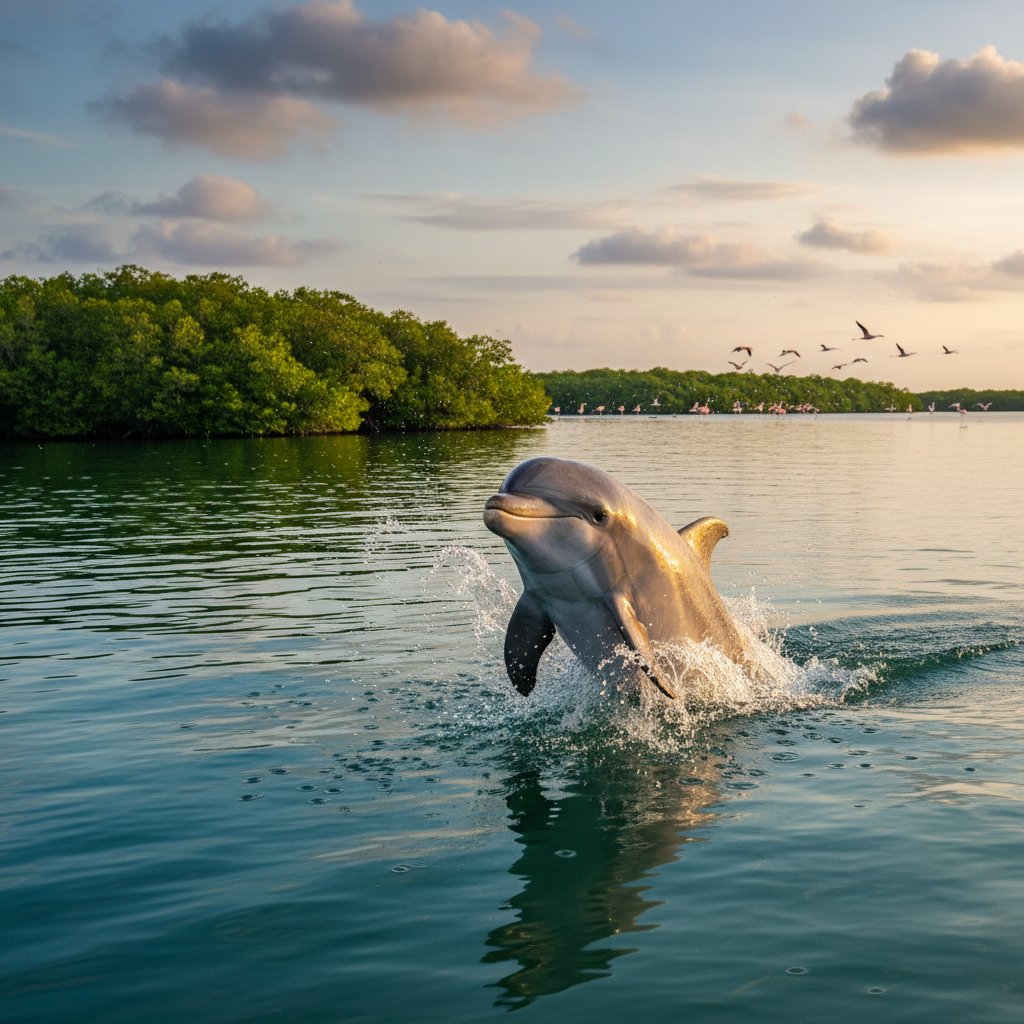
In a deeply concerning development for wildlife health, at least ten bottlenose dolphins were found deceased in Florida's Indian River Lagoon. Subsequent investigations have confirmed that the cause of these untimely deaths is avian influenza, commonly known as bird flu. This specific strain of the virus, highly pathogenic avian influenza (HPAI), has been wreaking havoc on bird populations globally, but its ability to jump to mammals like these dolphins underscores a troubling trend in disease transmission.
The Indian River Lagoon, a vital estuary along Florida's east coast, is renowned for its incredible biodiversity, serving as a critical habitat for a vast array of marine and avian species. The presence of such a virulent pathogen within this sensitive ecosystem raises significant alarms about the health of other wildlife and the potential for broader ecological impacts. The precise pathway of transmission to the dolphins is still under investigation, but it likely involved direct contact with infected birds or contaminated environmental sources.
Why It Matters
While the tragic deaths of these dolphins may seem distant from the daily care of our beloved dogs and cats, this incident serves as a critical reminder of the interconnectedness of all living beings and ecosystems. The spread of avian influenza to marine mammals underscores a broader environmental health crisis that can, directly or indirectly, affect our pets. Zoonotic diseases, which can jump from animals to humans or other animal species, are a growing concern. While bird flu primarily targets avian species, its ability to infect mammals like dolphins (and in rare instances, even domestic pets) means that responsible pet ownership now extends beyond vet visits and proper nutrition to understanding and advocating for global animal health.
For readers of GreenNest Living, this event resonates deeply within the 'PetCare' theme by highlighting that the health of wild populations and their environments directly impacts the health of our domestic companions. A robust, balanced ecosystem acts as a natural buffer against widespread disease. When wild animal populations are under stress from environmental degradation or novel pathogens, the risk of disease emergence and spillover increases, potentially affecting everything from local wildlife to our own backyards and pet communities. It’s a call to broaden our understanding of 'PetCare' to encompass 'Planetary Care' for all animals.
Moreover, the incident in the Indian River Lagoon is a sentinel event, indicating that our environmental health is deteriorating, creating conditions ripe for disease emergence and spread. Protecting natural habitats, mitigating pollution, and addressing climate change are not just abstract environmental goals; they are crucial steps in safeguarding public health and the well-being of all animals, wild and domestic alike. Our vigilance regarding wildlife health today directly contributes to a healthier environment for our pets tomorrow.
What You Can Do
- Stay Informed Locally: Keep abreast of local wildlife health advisories and environmental news, especially if you live near natural habitats or water bodies.
- Support Conservation: Donate to or volunteer with organizations dedicated to marine conservation and ecosystem protection, particularly those focusing on places like the Indian River Lagoon.
- Practice Good Hygiene: Always wash your hands thoroughly after contact with wild animals, their droppings, or natural environments to minimize any potential disease transmission.
- Report Sick or Deceased Wildlife: If you encounter sick, injured, or dead wildlife, do not approach or touch them. Instead, immediately contact your local animal control, wildlife rehabilitation center, or state wildlife agency.
- Educate Yourself on Zoonotic Diseases: Understand how diseases can jump between species and the importance of biosecurity measures, even for your domestic pets, especially if they have outdoor access.
- Advocate for Environmental Policies: Support policies and initiatives that protect wildlife habitats, reduce pollution, and address climate change, recognizing their crucial role in preventing future disease outbreaks.
FAQs
Q: Can bird flu affect domestic pets like dogs or cats?
A: While avian influenza primarily affects birds, it can, in rare cases, jump to mammals, including domestic pets. The risk to pets from this specific dolphin outbreak in Florida is currently considered low, but vigilance and awareness of general biosecurity practices, especially if your pet interacts with wild birds or their environment, are always important.
Q: What is the Indian River Lagoon?
A: The Indian River Lagoon is a 156-mile long estuary system on Florida's Atlantic coast. It is one of the most biodiverse estuaries in North America, home to thousands of species, including manatees, dolphins, fish, and birds, and is a crucial nursery ground for many marine animals. It faces ongoing environmental challenges from pollution and habitat degradation.
Q: How does bird flu spread to dolphins?
A: The exact transmission route can vary, but it's believed dolphins could contract bird flu through direct contact with infected birds (e.g., scavenging on carcasses), by ingesting contaminated water, or by consuming prey that has been exposed to the virus. Waterfowl are common carriers of the virus, and their presence in coastal ecosystems facilitates potential cross-species transmission.
Sources
This article is based on reporting by The Animal Reader.
Original source
Whole Dog Journal
Author, Digital Entrepreneur & AI Creator
More from PetCare
- Rescue Dogs: Nurturing a New Beginning in Your Green Home — May 14, 2026
- Beagle Rescue: Unmasking the Ethics of Pet Product Testing — May 13, 2026
- Fresh Home, Happy Pup: Sustainable Ways to Beat Pet Odors — May 11, 2026
- Green PetCare: The Truth About Vaseline and Your Dog — May 10, 2026
- Mass Beagle Rescue Shines Light on Ethical Pet Sourcing — May 9, 2026