CRISPR's Promise: Gene-Editing for Sustainable Food
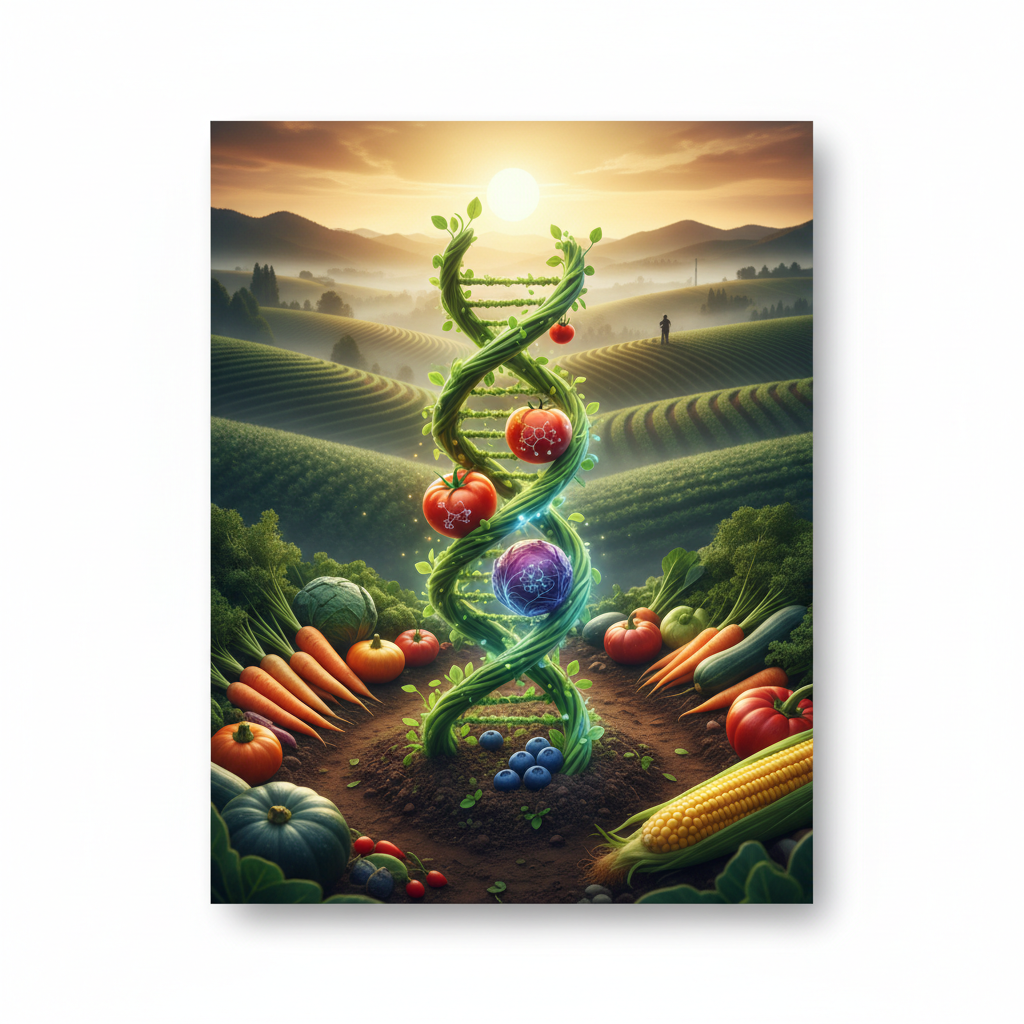
Key Takeaways
- CRISPR is a precise gene-editing technology applicable to agriculture.
- It can create crops with enhanced resistance to diseases, pests, and environmental stress.
- CRISPR holds potential for improving nutritional content and reducing reliance on chemical inputs.
- The technology provides a faster and more targeted approach than traditional breeding.
- Understanding and discussing CRISPR's ethical and regulatory implications is crucial for its responsible adoption.
As global populations soar and climate change intensifies, the future of our food supply hangs in a delicate balance. Now, a groundbreaking technology known as CRISPR is stepping into the spotlight, offering powerful new tools that could revolutionize how we grow our food, enhance its nutritional value, and build resilience into our agricultural systems.
Understanding CRISPR is no longer just for scientists; it's vital for anyone concerned about feeding the planet sustainably. Food Tank's latest primer signals a critical moment for us to engage with this innovation and consider its profound implications for our plates and our planet.
TL;DR: Key Facts
- CRISPR (Clustered Regularly Interspaced Short Palindromic Repeats) is a gene-editing technology that allows scientists to make precise changes to DNA.
- In agriculture, CRISPR can be used to develop crops with enhanced traits like disease resistance, drought tolerance, and improved nutritional content.
- It offers a faster and more precise alternative to traditional breeding and some older genetic modification techniques.
- Potential applications include reducing pesticide reliance, increasing crop yields, and creating allergen-free foods.
- CRISPR-edited organisms may face different regulatory pathways than traditional GMOs due to the precision and nature of the edits.
What Happened
Food Tank, a leading organization focused on the future of food, has published a new primer titled “Food Tank Explains: CRISPR.” This educational piece aims to demystify CRISPR technology and shed light on its potential applications within our food and agriculture systems. The primer serves as a foundational resource, exploring how gene-editing tools like CRISPR can be harnessed to address some of the most pressing challenges facing global food security and environmental sustainability.
By explaining the mechanics of CRISPR and illustrating its practical uses, Food Tank invites readers to understand how this scientific breakthrough could shape the crops we grow, the livestock we raise, and the nutritional value of our diets. It highlights the technology's capacity to introduce desirable traits more efficiently and precisely than conventional breeding methods, thereby opening new avenues for innovation in agricultural production.
Why It Matters
The advent of CRISPR in agriculture represents a pivotal moment for both food systems and environmental stewardship. In an era defined by unpredictable weather patterns, dwindling natural resources, and the urgent need to feed nearly 10 billion people by 2050, CRISPR offers targeted solutions. Imagine crops engineered to withstand devastating blights, requiring fewer chemical inputs, or flourishing in saline soils – these advancements could dramatically reduce agriculture's environmental footprint, conserve biodiversity, and stabilize food supplies in vulnerable regions.
Moreover, CRISPR has the potential to enhance human nutrition directly. We could see staple crops fortified with essential vitamins and minerals, helping to combat hidden hunger and improve public health outcomes globally. For GreenNest Living readers, this technology speaks to the core values of sustainability and well-being. However, its emergence also necessitates robust public dialogue about ethics, regulation, and equitable access, ensuring that these powerful tools are wielded responsibly and for the benefit of all, not just a select few.
What You Can Do
- Educate Yourself: Read Food Tank's primer and other reputable sources to deeply understand CRISPR's science and applications. Knowledge is key to informed decisions.
- Support Responsible Research: Advocate for transparent, ethical research and development in gene-editing for agriculture, emphasizing public benefit and environmental safety.
- Engage in Dialogue: Participate in local and national conversations about food technology, expressing your concerns and hopes to policymakers and food producers.
- Seek Information on Labels: As CRISPR-edited foods potentially enter the market, look for clear labeling and understand what it signifies.
- Back Sustainable Practices: Continue to support farmers and companies that prioritize sustainable, regenerative agriculture, whether or not they integrate gene-editing technologies.
Ciro's Take
As an environmental advocate, I view CRISPR with a mix of cautious optimism and profound hope. The promise of feeding a growing world with less land, water, and fewer pesticides is incredibly compelling and aligns perfectly with GreenNest Living's mission. However, we must ensure that this technological leap is accompanied by rigorous ethical oversight and broad societal input, not just corporate interests. This isn't just about tweaking genes; it's about shaping the very foundation of our future food system, and that demands transparency, equity, and a deep respect for our planet's intricate ecosystems. We have a chance to get this right, creating a food future that is both innovative and truly sustainable.
FAQs
Q: Is CRISPR the same as traditional GMOs?
A: Not exactly. While both involve genetic modification, CRISPR is much more precise, often making small, targeted edits within an organism's existing DNA, rather than inserting foreign DNA. This precision can lead to different regulatory classifications in some regions.
Q: Are CRISPR-edited foods safe to eat?
A: Regulatory bodies worldwide, including the USDA and FDA in the U.S., are developing frameworks to assess the safety of CRISPR-edited crops. The scientific consensus generally indicates that precise gene edits are as safe as, if not safer than, foods developed through conventional breeding methods, but each product is evaluated on a case-by-case basis.
Q: What are the main benefits of CRISPR in agriculture?
A: Key benefits include developing crops that are more resistant to diseases and pests, tolerant to adverse environmental conditions (like drought or salinity), require fewer chemical inputs, and have enhanced nutritional profiles or longer shelf lives.
Sources
This article is based on reporting by Food Tank.
Original source
Food Tank
Author, Digital Entrepreneur & AI Creator
More from Food & Environment
- Women Farmers: Unsung Heroes, Overlooked Health — June 12, 2026
- Next Farm Bill: Empowering Farmers to Reduce Fertilizer Dependence — June 11, 2026
- USDA's Shake-Up: A Strain on American Agriculture's Future — June 9, 2026
- Urgent Recall: Popular Pancake Mixes Pose High Health Risk — June 8, 2026