CT Greenlights Plug-In Solar: A Game Changer for Homeowners
Key Takeaways
- Connecticut approves plug-in solar for easier home energy generation.
- These systems connect simply to household outlets, reducing installation complexity.
- The move lowers barriers, making solar accessible to more residents.
- It enables incremental investment in renewable energy for individual homes.
- Promotes energy independence and reduces reliance on traditional grid sources.
For homeowners and sustainable living enthusiasts, the news from Connecticut represents a significant leap forward in making clean energy truly accessible, right here, right now. This isn't just another policy change; it's a practical invitation to individuals to take control of their energy future, offering a tangible path to reduce utility bills and carbon footprints without the traditional complexities of solar installation.
TL;DR: Key Facts
- Connecticut has officially approved the use of plug-in solar systems for residents.
- Plug-in solar offers a simpler, more accessible way for homeowners to generate their own renewable electricity.
- These systems typically connect directly to standard household outlets, bypassing complex wiring and extensive permitting.
- The approval aims to reduce barriers to solar adoption, making it feasible for a broader range of homes and budgets.
- It empowers individuals to incrementally invest in solar, potentially starting with smaller, modular setups.
What Happened
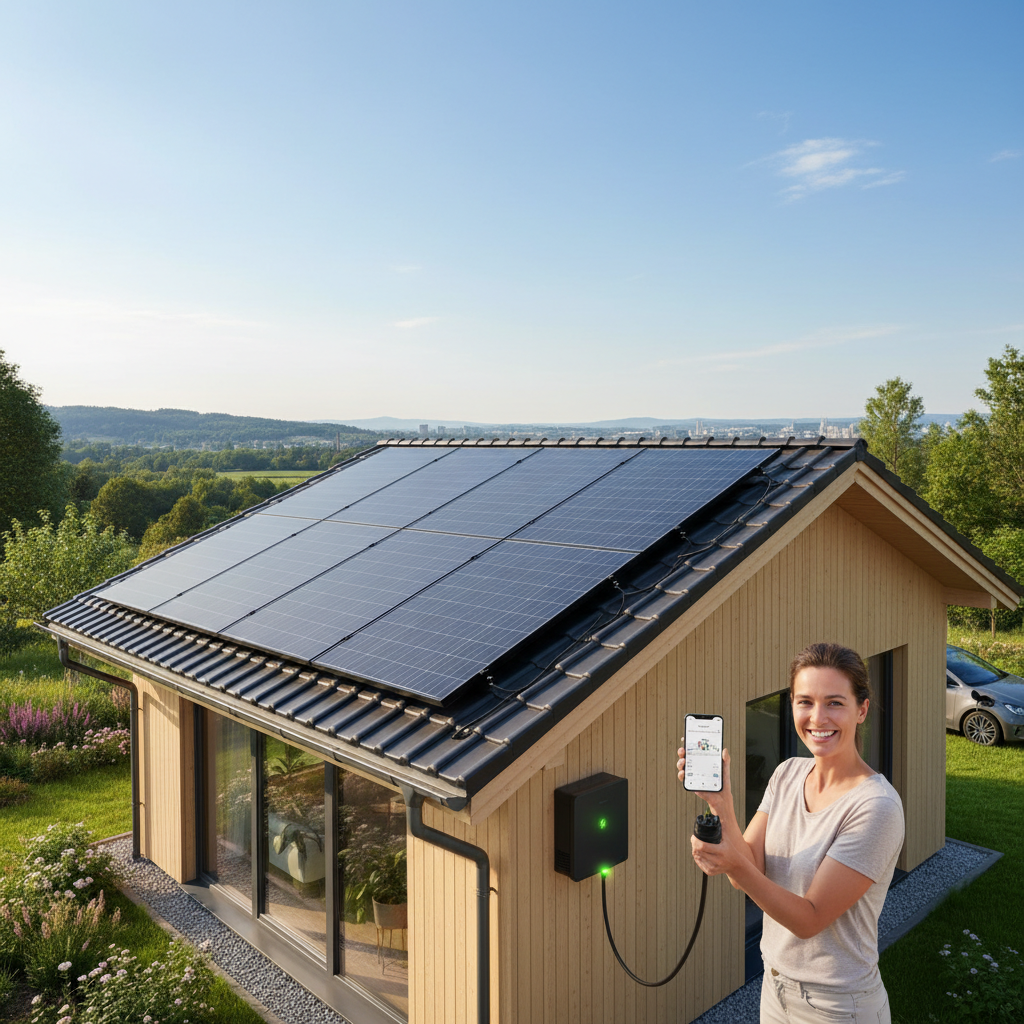
Connecticut has recently given the green light to plug-in solar systems, a move that significantly streamlines the process for residents looking to adopt solar power. This approval means that homeowners, even those with simpler or older properties, can now install solar panels that connect directly into their existing household electrical outlets, much like any other appliance. The CleanTechnica report highlights the excitement surrounding this development, particularly for those who might find traditional, large-scale solar installations too daunting or expensive.
Unlike conventional grid-tied solar arrays that require intricate wiring, professional installation, and often extensive permitting, plug-in solar systems are designed for ease of use and often self-installation. They typically consist of a few panels, microinverters, and a simple plug that connects to a dedicated circuit. This regulatory shift in Connecticut paves the way for a new era of energy independence, allowing more residents to tap into the sun's power with minimal hassle.
Why It Matters
This development in Connecticut isn't just a local policy update; it's a powerful signal for the broader green tech landscape and a beacon for sustainable living. Historically, solar power has been perceived as a significant investment requiring substantial upfront costs, complex installations, and often bureaucratic hurdles. Plug-in solar shatters these barriers, effectively democratizing access to renewable energy. It transforms solar from a luxury item into an accessible tool for everyday homeowners.
For GreenNest Living readers, this matters immensely because it aligns perfectly with the ethos of practical sustainability. It provides a tangible, actionable step towards reducing reliance on fossil fuels, lowering electricity bills, and fostering energy independence at the individual household level. This approach allows for incremental adoption, enabling more people to contribute to a cleaner energy grid, irrespective of their home's age, size, or the complexity of their existing electrical infrastructure. It's about empowering consumers to be part of the climate solution, one plug-in panel at a time, ultimately accelerating the transition to a more resilient and renewable energy future.
What You Can Do
- Research Plug-In Solar Options: Explore available plug-in solar kits and systems that are approved for use in your region. Look for reputable brands offering robust warranties.
- Verify Local Regulations & Utility Policies: While Connecticut has approved these, rules vary. Always check with your local municipality and electricity provider for specific guidelines, interconnection agreements, or any required notifications for plug-in systems.
- Start Small to Offset Base Loads: Consider beginning with a smaller system (e.g., 1-2 panels) to offset your home's constant background energy consumption (refrigerators, standby electronics), offering immediate savings.
- Prioritize Safety & Efficiency: Choose systems with certified microinverters for optimal performance and safety, ensuring they meet electrical standards. Professional advice for circuit loading is always recommended.
- Advocate for Accessibility: If plug-in solar isn't yet approved or widely supported in your area, contact your local representatives and utility company to express interest and advocate for similar regulatory changes.
- Monitor Your Energy Usage: Pair your plug-in solar with smart home energy monitoring devices to track your production and consumption, maximizing your savings and understanding your energy patterns.
Ciro's Take
As an environmental advocate and someone deeply invested in the future of green tech, Connecticut's approval of plug-in solar is genuinely thrilling. It embodies the essence of what I believe sustainable living should be: accessible, practical, and empowering. For too long, renewable energy has felt like a distant, complex dream for many, but this move shatters that perception. It puts the power, quite literally, into the hands of individual homeowners, allowing them to take a direct, tangible step towards a greener future without needing a massive overhaul. This isn't just about reducing carbon; it's about fostering a sense of agency and demonstrating that climate action can start right on your patio or balcony. This small change in policy has massive implications for democratizing our energy grid, and I hope other states follow suit, inspiring a new wave of citizen-powered sustainability.
FAQs
Q: What exactly is "plug-in solar"?
A: Plug-in solar refers to small-scale photovoltaic (PV) systems that can be easily installed by homeowners and connected directly to a standard electrical outlet in their home, feeding solar-generated electricity directly into the house's grid.
Q: Is plug-in solar safe for my home?
A: When installed correctly and adhering to local electrical codes and manufacturer guidelines, particularly using systems with certified microinverters, plug-in solar is designed to be safe. It's crucial to ensure your electrical circuit can handle the input.
Q: How much can plug-in solar save me on my electricity bill?
A: Savings depend on the size of your system, your electricity rates, and your household's energy consumption. While individual systems are typically smaller, they can effectively offset a portion of your baseline energy usage, leading to noticeable reductions in your monthly bill.
Sources
This article is based on reporting by CleanTechnica.
Original source
CleanTechnica
Author, Digital Entrepreneur & AI Creator
More from Green Tech
- Illinois Leads the Way: New Law Curbs Plastic Pellet Pollution — May 30, 2026
- Philippines' EV Paradox: Nickel Riches, Slow Lane Adoption — May 29, 2026
- Tech Giants' Coal Deal: A Green Pledge Backslide for Google and Amazon? — May 28, 2026
- MA Uber/Lyft Drivers Unionize: A Green Gig Economy Milestone — May 27, 2026