Embrace the Dry: How Gravel Gardens Redefine Sustainable Landscapes
Key Takeaways
- New book 'The Gravel Garden' aims to demystify dry gardening techniques.
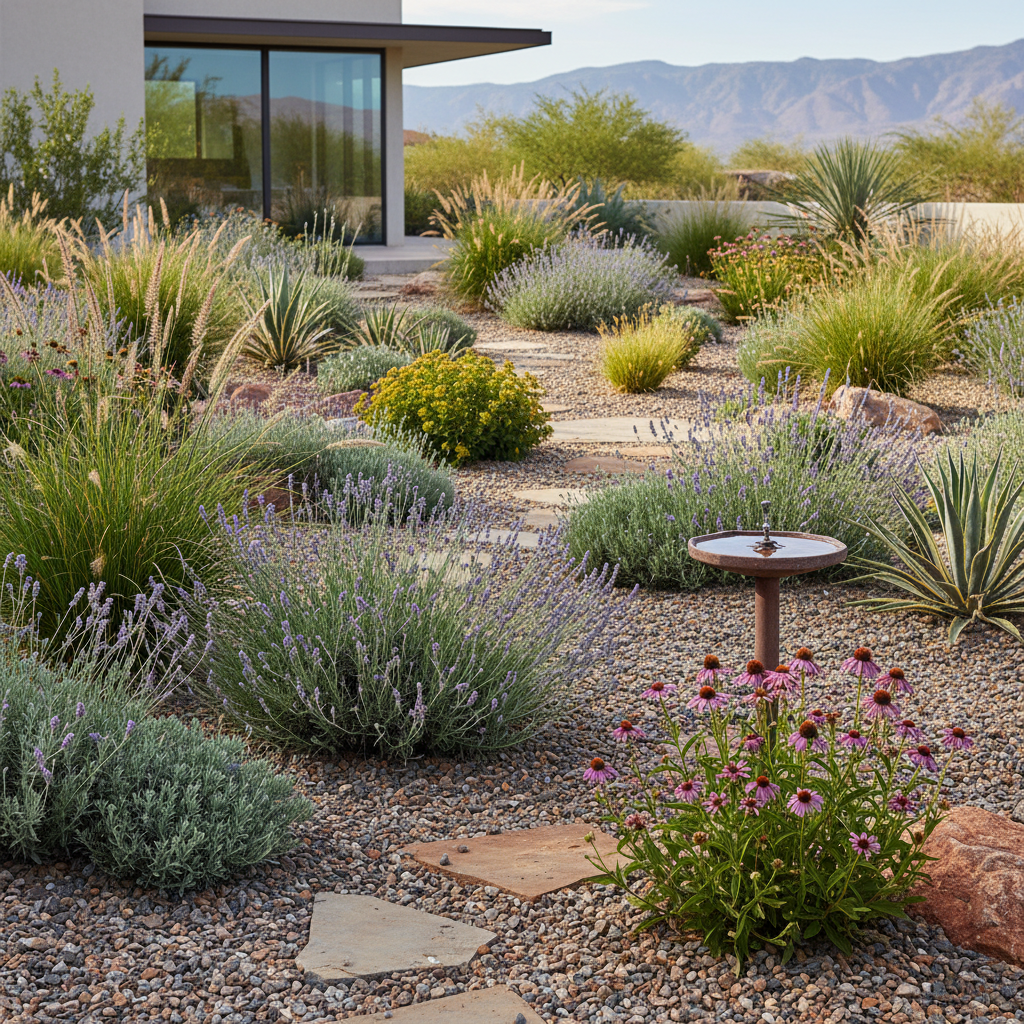
- Gravel gardening involves removing topsoil and using gravel as a planting medium/mulch.
- This method promotes significant water conservation and drought resilience.
- It challenges traditional gardening perceptions, offering a sustainable alternative.
- The approach supports biodiversity and reduces garden maintenance needs.
As droughts become more common and water conservation a critical necessity, the traditional lush, thirsty garden is increasingly becoming a relic of the past. Enter gravel gardening, a practice that might sound unconventional but is quickly emerging as a practical, beautiful, and profoundly sustainable answer to our environmental challenges. A new book, 'The Gravel Garden,' is aiming to usher this innovative approach into the mainstream, proving that beauty and resilience can indeed coexist.
TL;DR: Key Facts
- 'The Gravel Garden' is a new book demystifying the concept of dry gardening.
- Gravel gardening involves removing topsoil and covering the ground with gravel to create a unique planting environment.
- The technique is often perceived as unusual or counterintuitive by many gardeners.
- It promotes water conservation and drought resilience, making it highly relevant in today's climate.
- The book seeks to inspire both seasoned and novice gardeners to explore this sustainable method.
What Happened
The esteemed Gardenista publication has highlighted a new essential read for the gardening community: 'The Gravel Garden.' This book is poised to transform how many perceive and practice gardening, especially in regions facing water scarcity. Traditionally, the idea of a 'gravel garden' might conjure images of barren, uninviting spaces, but the book promises to reveal the intricate beauty and practical benefits of this method.
The core concept of gravel gardening, as introduced by the book, involves a seemingly radical departure from conventional practices. Instead of nurturing rich topsoil for planting, gardeners are instructed to scrape it away and then cover the earth with a layer of gravel. While this might initially sound counterintuitive to those accustomed to traditional soil-based gardening, the approach is rooted in creating an environment where specific, often drought-tolerant plants can thrive with minimal irrigation.
The book's mission is to educate and inspire gardeners, from the most seasoned veterans to curious newcomers, to embrace this dry gardening technique. By 'demystifying' what might appear to be a strange or niche practice, 'The Gravel Garden' aims to broaden its appeal and demonstrate its viability as a gorgeous, sustainable alternative to high-maintenance, water-intensive landscapes.
Why It Matters
For GreenNest Living readers and the broader 'Garden & Plants' community, the emergence of 'The Gravel Garden' is incredibly significant. In an era defined by climate change and increasingly unpredictable weather patterns, including more frequent droughts, traditional gardening methods are becoming unsustainable. Gravel gardening offers a robust solution by dramatically reducing the need for irrigation, thus conserving precious water resources.
Beyond water savings, this approach fosters biodiversity by creating ideal conditions for a diverse array of drought-tolerant and native plants, which in turn support local wildlife. It also significantly cuts down on garden maintenance – less watering means less time spent on irrigation and often, less weeding as the gravel acts as a natural weed suppressor. This translates to more time enjoying your outdoor space and a lower environmental footprint. Embracing gravel gardens means designing landscapes that are not just beautiful, but also ecologically responsible and resilient in the face of our changing climate.
What You Can Do
Here are actionable steps you can take to explore dry gardening:
- Read 'The Gravel Garden': Get your hands on this book to fully understand the principles and practices of successful dry gardening.
- Research Local Drought-Tolerant Plants: Identify native or adapted plants in your region that thrive in dry conditions. Many beautiful options exist!
- Start Small: Don't overhaul your entire garden at once. Design a small section or border as a gravel garden to experiment with the technique.
- Observe Your Microclimates: Pay attention to sunny, dry spots in your garden that might be perfect candidates for a gravel bed.
- Consider Drainage: Ensure your chosen site has good drainage, as excess moisture is the enemy of many dry-loving plants.
- Plan for Aesthetics: Think about textures, colors, and plant forms to create an appealing and dynamic gravel garden design.
Ciro's Take
As an environmental advocate, the rise of resources like 'The Gravel Garden' fills me with immense hope for the future of our landscapes. For too long, our gardening ideals have been dictated by water-intensive European styles ill-suited to many climates, especially here in North America. This book, and the movement it represents, is a clarion call to embrace resilience and adaptability in our outdoor spaces. It's not just about saving water; it's about redesigning our relationship with nature, recognizing that true beauty lies in harmony with our local ecosystems. I believe that integrating dry gardening principles into our practices is no longer an option, but a vital step towards creating genuinely sustainable and vibrant green spaces for generations to come.
FAQs
Q: Is gravel gardening truly sustainable?
A: Yes, it is highly sustainable. By drastically reducing water consumption and promoting drought-tolerant plants, it lessens reliance on irrigation and supports local ecosystems.
Q: What kind of plants thrive in a gravel garden?
A: Many plants suited to Mediterranean, steppe, or desert climates thrive, including various ornamental grasses, succulents, salvias, lavender, sedums, and certain native wildflowers.
Q: Is a gravel garden high maintenance?
A: Generally, no. Once established, gravel gardens require significantly less watering and often have fewer weed issues compared to traditional beds, thanks to the gravel mulch.
Sources
This article is based on reporting by Gardenista.
Original source
Gardenista
Author, Digital Entrepreneur & AI Creator
More from Garden & Plants
- Cultivating Bistort: A Resilient Edible for Your Garden — June 5, 2026
- Benton End's Rebirth: A Historic Garden's New Chapter — June 4, 2026
- Cultivating Joy: Finding Personal Fulfillment in Ecological Gardens — June 3, 2026
- Mindful May: Discovering Sustainable Inspiration — June 2, 2026