Netherlands Tackles Bird Flu: A Sustainable Shift?
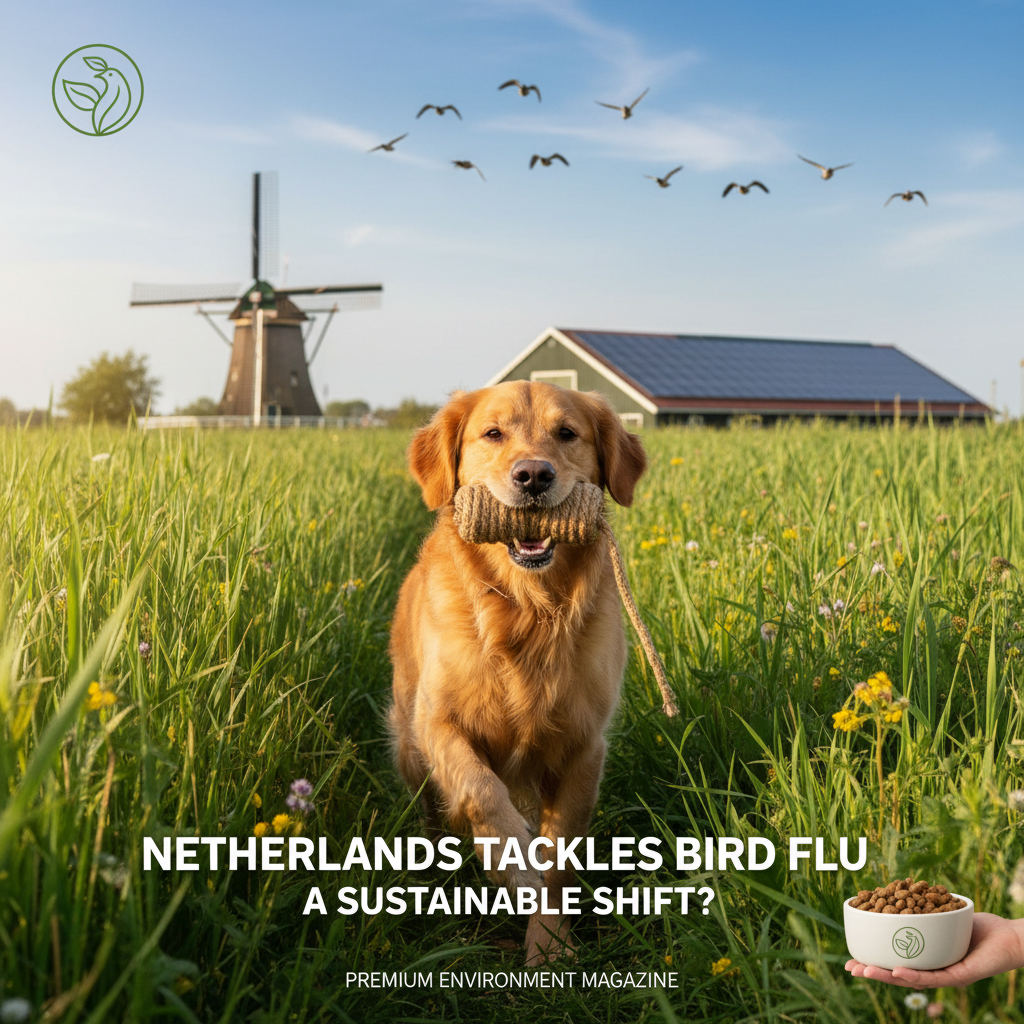
Key Takeaways
- Netherlands to vaccinate millions of chickens against bird flu.
- Potential shift from culling to vaccination in poultry industry.
- Aims to protect animal welfare and egg supply stability.
- Highlights challenges and ethical considerations in global animal agriculture.
- Could influence international trade and animal health policies.
A silent threat continues to loom over global food systems and animal welfare: avian influenza, commonly known as bird flu. But a significant move by one of the world's largest egg exporters could be a game-changer, impacting everything from your breakfast table to the ethics of mass animal farming.
TL;DR: Key Facts
- The Netherlands, a top global egg exporter, intends to begin vaccinating millions of its chickens against bird flu.
- This move signifies a potential shift in disease prevention strategies from culling to vaccination for major poultry producers.
- The decision aims to protect both animal welfare and the stability of the egg supply chain.
- Mass vaccination presents logistical challenges and potential trade implications.
- It underscores the ongoing global struggle to manage zoonotic diseases in large-scale animal agriculture.
What Happened
The Dutch government has announced its intention to commence a mass vaccination program for millions of chickens against avian influenza. The Netherlands is a significant player in the global egg market, making this decision particularly impactful for international food trade and animal health protocols. The primary goal is to prevent widespread outbreaks of bird flu, which have historically led to the culling of millions of birds, causing immense economic losses and severe animal welfare concerns.
Bird flu outbreaks have been a recurring and devastating problem for poultry farmers worldwide. Traditional methods of control have often involved rapid depopulation of affected flocks to prevent further spread. The shift towards vaccination represents a proactive and potentially more humane approach, aiming to build immunity within the poultry population rather than resorting to culling as the primary measure once an outbreak occurs. This policy shift by a major exporter like the Netherlands could set a precedent for other nations grappling with similar challenges.
Why It Matters
For GreenNest Living readers, this isn't just news about chickens; it's a critical development in sustainable food systems and ethical PetCare, broadly defined to include the animals that contribute to our daily lives. The decision to vaccinate rather than solely cull speaks to a growing recognition of animal welfare, even in large-scale agricultural settings. It highlights an evolving approach to managing animal health in a way that minimizes suffering and environmental disruption.
From a PetCare perspective, this initiative addresses the systemic vulnerabilities inherent in high-density animal farming. When zoonotic diseases like bird flu spread, they don't just threaten the animals directly affected; they can pose risks to other animal populations and potentially humans, emphasizing the interconnectedness of all living beings. A stable, disease-resistant food supply means less volatility in the market and potentially higher welfare standards for animals, which aligns with the values of conscious consumers.
Furthermore, this move could influence global trade policies. Nations importing poultry products often have strict rules regarding vaccinated animals, sometimes leading to trade bans. If the Netherlands successfully implements this program and navigates international trade agreements, it could pave the way for a more sustainable and humane global standard for poultry production, allowing for disease control without the catastrophic losses associated with culling.
What You Can Do
- Stay Informed: Follow reliable news sources for updates on global animal health initiatives and their impact on food systems.
- Support Ethical Sourcing: Choose eggs and poultry from farms that prioritize animal welfare and sustainable practices, where available. Look for certifications like 'Pasture-Raised' or 'Certified Humane'.
- Advocate for Policy: Contact your local representatives to express support for proactive animal health policies, including vaccination programs, that reduce the need for mass culling.
- Reduce Consumption (Optional): Consider reducing your consumption of animal products to lessen the overall demand on industrial farming systems, mitigating disease risks and environmental impact.
- Practice Biosecurity: If you keep backyard chickens or other birds, educate yourself on biosecurity measures to protect your flock from diseases like bird flu.
- Educate Others: Share information about the importance of sustainable animal agriculture and responsible disease management with your friends and family.
Ciro's Take
As an environmental advocate, seeing the Netherlands pivot towards vaccination for bird flu fills me with cautious optimism. For too long, the response to mass animal disease outbreaks has been a heartbreaking cycle of culling – a practice that is both ethically challenging and environmentally disruptive. This move signals a more enlightened approach, one that values animal life and stability over pure expediency. It's a crucial step towards recognizing that the health of farmed animals is deeply intertwined with our own well-being and the health of the planet. I truly hope this becomes a model, inspiring other nations to invest in preventative, humane solutions rather than reactive, destructive ones for the future of PetCare and sustainable living.
FAQs
Q: Will vaccinated eggs be safe to eat?
Yes, vaccines used in poultry are rigorously tested and approved by food safety authorities, ensuring that eggs and meat from vaccinated birds remain safe for human consumption.
Q: How does this impact organic or free-range eggs?
The specific regulations for organic and free-range farming regarding vaccination can vary by region. Generally, vaccination is permitted, as it's considered a preventative health measure, but consumers should always check specific certification standards.
Q: Could vaccinating chickens lead to new, more resistant strains of bird flu?
Vaccination is a complex science. While the possibility of viral evolution always exists, modern vaccines are designed to target conserved viral components, and the overall benefit of reducing viral load and spread through vaccination is generally considered to outweigh this risk.
Sources
This article is based on reporting by The Animal Reader.
Original source
The Animal Reader
Author, Digital Entrepreneur & AI Creator
More from PetCare
- Beyond Our Homes: Unveiling Shelter Suffering in Romania — May 19, 2026
- Ethical Tides: Orcas and Dolphins Depart Marineland — May 18, 2026
- Sustainable Chews: Durable Toys for Happy Pups — May 17, 2026
- Massive Shark Fin Seizure Exposes Wildlife Trafficking Threat — May 16, 2026