Optimize Mealtime: The Benefits of Slow Feeder Dog Bowls
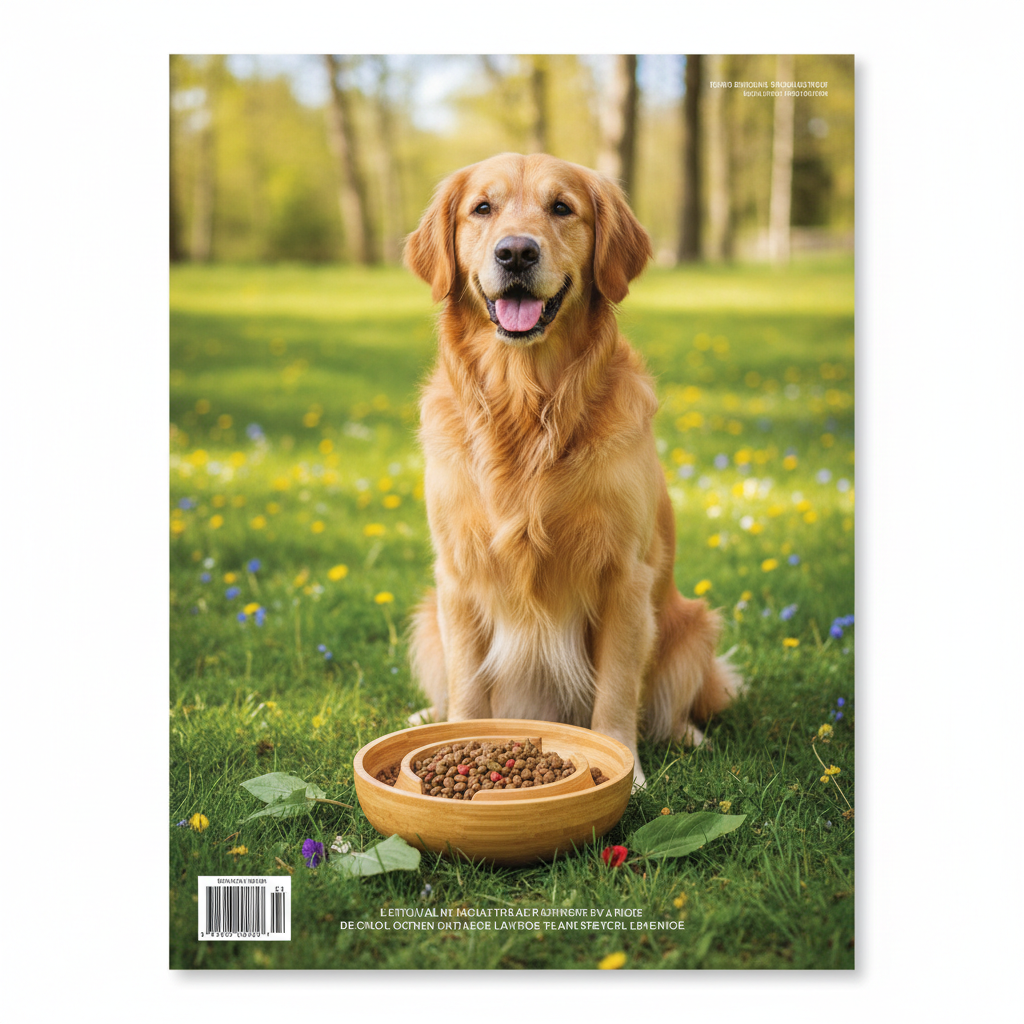
Key Takeaways
- Fast eating leads to health problems.
- Slow feeders extend mealtime for better digestion.
- They provide mental enrichment.
- Preventative measure against bloat and vomiting.
- Many designs available to suit different dogs.
In our fast-paced world, it's easy for even our beloved canine companions to rush through their meals. However, a dog that 'gobbles down their food in 10 seconds' isn't just a speedy eater; they could be setting themselves up for a host of health problems. This often overlooked mealtime habit can have serious implications for their digestion and overall well-being. Thankfully, a simple yet revolutionary solution exists right in their feeding routine: the slow feeder dog bowl. Discover why making this change now is a vital step towards ensuring your dog's long-term health and happiness.
TL;DR: Key Facts
- Fast eating in dogs can lead to serious health issues like bloat and indigestion.
- Slow feeder bowls are designed to significantly extend your dog's mealtime.
- Beyond slowing consumption, these bowls offer engaging mental enrichment during feeding.
- They are a proactive tool to improve digestion, reduce gas, and prevent vomiting.
- Choosing the right slow feeder can transform your dog's daily routine and health.
What Happened
Recent insights from Whole Dog Journal highlight a common concern among pet parents: dogs who consume their meals in mere seconds. The publication underscores that such rapid eating isn't just an inefficient way to eat; it's a behavior that warrants attention. Specifically, the article points out that if your dog "gobbles down their food in 10 seconds," incorporating a slow feeder dog bowl into their routine could be profoundly beneficial.
The core idea behind these specialized bowls is twofold: to consciously extend the duration of your dog's mealtime and to provide a form of 'engaging enrichment' during what would otherwise be a fleeting activity. By presenting food in a way that requires more effort and thought to access, slow feeders actively work against the instinct to scarf down meals, thereby addressing potential health repercussions associated with quick ingestion.
Why It Matters
At GreenNest Living, we champion choices that foster a healthier, more sustainable life for all members of the family, including our pets. The seemingly simple act of switching to a slow feeder dog bowl exemplifies this philosophy perfectly. For far too long, the speed at which a dog eats has been dismissed as a quirk, when in reality, it's a significant indicator of potential digestive distress and a precursor to serious health conditions. This isn't just about slowing down; it's about preventive care, responsible pet ownership, and enhancing the quality of life for our canine companions.
Rapid eating is a major risk factor for Gastric Dilatation-Volvulus (GDV), commonly known as bloat, a life-threatening emergency in dogs where the stomach twists. Beyond this critical danger, fast eaters often experience indigestion, excessive gas, vomiting, and nutrient malabsorption because their digestive system simply can't keep up. By actively engaging your dog during mealtime, slow feeder bowls transform eating from a race into a thoughtful activity. This not only aids in better digestion and nutrient absorption but also provides vital mental stimulation, combating boredom and potentially reducing anxiety. Embracing slow feeders means investing in your pet's long-term health, potentially reducing costly emergency vet visits, and promoting a calmer, more satisfied dog – a truly sustainable approach to pet care that benefits both animal and owner.
What You Can Do
- Observe Your Dog's Eating Habits: Pay close attention to how quickly your dog finishes their meals. If they clear their bowl in under a minute, they are likely candidates for a slow feeder.
- Research Slow Feeder Designs: Explore the wide variety of slow feeder bowls available. Consider your dog's breed, size, and personality. Some have simple ridges, others complex mazes, or even puzzle-like elements.
- Introduce Gradually: When introducing a new bowl, mix their regular food with a small portion in the slow feeder to help them adjust. Some dogs may be confused initially.
- Monitor for Positive Changes: Look for signs of improved digestion, such as less gas, no vomiting after meals, and a generally calmer demeanor. Observe if mealtime becomes a more engaging activity for them.
- Combine with Mental Enrichment: Beyond slowing eating, use mealtime as an opportunity for mental exercise. Consider rotating different slow feeder designs or incorporating kibble-dispensing toys for variety.
- Consult Your Veterinarian: If your dog continues to exhibit digestive issues, excessive gas, or discomfort even with a slow feeder, consult your veterinarian to rule out underlying health conditions.
FAQs
Q: What are the main benefits of a slow feeder bowl?
Slow feeder bowls primarily prevent rapid eating, which significantly reduces the risk of bloat (GDV), indigestion, gas, and vomiting. They also provide mental enrichment, making mealtime more engaging and less stressful for your dog.
Q: Can any dog use a slow feeder?
Most dogs can benefit from a slow feeder, especially those who tend to eat too quickly. There are designs suitable for puppies, senior dogs, and dogs with various facial structures (like brachycephalic breeds). However, always ensure the design is appropriate for your dog to avoid frustration or injury.
Q: How do I choose the right slow feeder for my dog?
Consider your dog's size, breed, and typical eating speed. Dogs who are extremely fast eaters might benefit from more complex maze designs, while those needing a slight slowdown might do well with simpler ridges. Look for durable, food-safe materials and a non-slip base. Ensure the bowl is easy to clean.
Sources
This article is based on reporting by Whole Dog Journal.
Original source
Whole Dog Journal
Author, Digital Entrepreneur & AI Creator
More from PetCare
- Rescue Dogs: Nurturing a New Beginning in Your Green Home — May 14, 2026
- Beagle Rescue: Unmasking the Ethics of Pet Product Testing — May 13, 2026
- Fresh Home, Happy Pup: Sustainable Ways to Beat Pet Odors — May 11, 2026
- Green PetCare: The Truth About Vaseline and Your Dog — May 10, 2026
- Mass Beagle Rescue Shines Light on Ethical Pet Sourcing — May 9, 2026