Orelha's Tragic End: A Call for Animal Welfare in Brazil
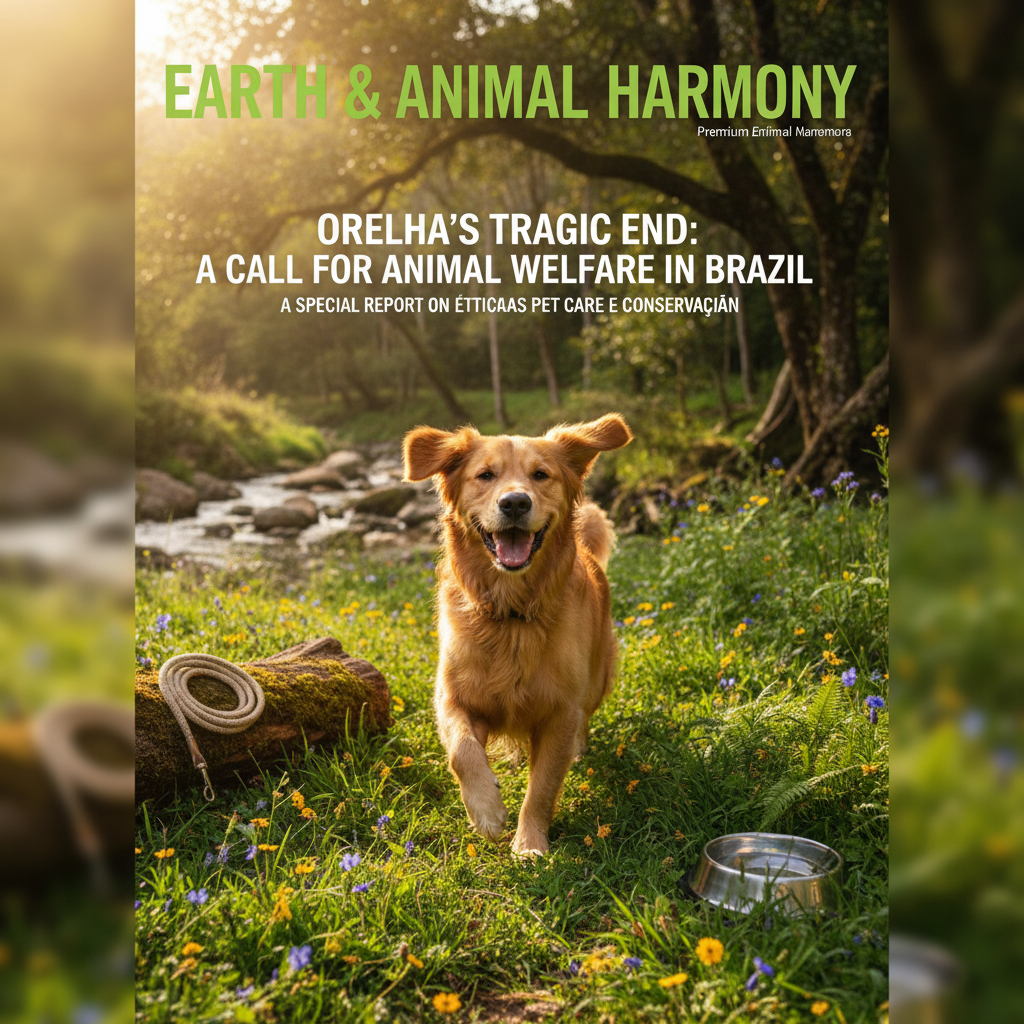
Key Takeaways
- Orelha, a 10-year-old community dog in Brazil, was brutally murdered.
- The incident has ignited widespread national outrage across Brazil.
- Community dogs are often reliant on local care and protection.
- The event highlights significant gaps in animal welfare enforcement and public awareness.
- International attention is now focused on Brazil's animal protection efforts.
A deeply disturbing incident in Brazil is forcing us to confront the harsh realities of animal cruelty and the vulnerability of community pets. The brutal murder of Orelha, a beloved 10-year-old community dog, has sent shockwaves through the nation, sparking outrage and demanding immediate attention to animal welfare. This isn't just a story about one dog; it's a stark reminder of our collective responsibility towards the animals sharing our communities.
TL;DR: Key Facts
- Orelha, a 10-year-old community dog, was brutally murdered in Brazil.
- The incident has provoked widespread national outrage and condemnation across Brazil.
- Community dogs, often cherished members of their neighborhoods, rely on human protection and care.
- This tragedy highlights pressing issues in animal welfare legislation and enforcement within Brazil.
- The case is drawing significant international scrutiny to how animal cruelty is addressed globally.
What Happened
Orelha, a 10-year-old dog, was a familiar and cherished figure in his community in Brazil. For years, he was cared for by local residents, embodying the spirit of a true community pet—loved, fed, and watched over by many. His friendly presence was a quiet, comforting constant in the daily lives of those who lived alongside him, making his sudden and violent end all the more devastating to the neighborhood.
Tragically, Orelha was brutally murdered, an act of unimaginable cruelty that quickly ignited a firestorm of national outrage. Social media platforms and news outlets in Brazil have been flooded with condemnations and fervent calls for justice, reflecting a profound public sorrow and anger over the heinous act. The incident has thrust the issue of animal cruelty and the safety of community animals into the national spotlight, prompting urgent discussions about accountability, prevention, and the need for stronger legal protections.
Why It Matters
For GreenNest Living readers, this isn't just a distant news item; it's a profound reflection on our shared responsibility for animal welfare within our own communities, irrespective of geography. The concept of a "community dog" is beautiful, signifying a collective embrace of a creature that offers companionship and often, a sense of belonging to a neighborhood. When such a vulnerable member is subjected to unspeakable cruelty, it signals a breakdown in societal empathy and highlights the urgent need for robust protections and stricter enforcement of animal rights, demonstrating that the well-being of all living creatures is a barometer of a truly sustainable and compassionate society.
This incident serves as a crucial reminder that pet care extends beyond our own household pets. It encompasses how we treat all animals, including those who may not have a single owner but are loved and supported by an entire community. The outrage in Brazil isn't just about Orelha; it's about the broader moral fabric of a society and its commitment to preventing suffering. It prompts us to examine the legal frameworks in place to deter such acts and to question how effectively we are educating future generations about compassion, respect, and stewardship for all living beings, values central to sustainable living.
Moreover, Orelha's story underlines the interconnectedness of human and animal well-being. A community that tolerates cruelty to animals is one where other forms of violence may also fester, signaling a disregard for life itself. Protecting animals is not merely an act of kindness; it's a cornerstone of a healthy, sustainable, and ethical society. For us, this tragedy is a powerful call to action to advocate for stronger animal protection laws, support organizations working on the ground, and foster a culture where every animal, regardless of its ownership status, is valued, safe, and treated with dignity.
What You Can Do
- Report Cruelty: If you witness any act of animal cruelty, immediately report it to local authorities, animal control, or humane societies. Document everything with photos or videos if safe and possible to do so.
- Support Animal Welfare Organizations: Donate your time, resources, or financial support to reputable local and international organizations dedicated to protecting animals and advocating for stronger animal rights legislation.
- Advocate for Stronger Laws: Contact your local, state, and national representatives to express your support for more stringent animal protection laws and effective enforcement mechanisms in your area and beyond.
- Educate Your Community: Share information about responsible pet ownership, the importance of spaying/neutering, and the ethical treatment of all animals with friends, family, and neighbors to foster a culture of respect.
- Be a Responsible Pet Owner: Ensure your own pets are well-cared for, vaccinated, identified (microchipped/tagged), and properly socialized. This sets a positive example and reduces the number of vulnerable animals.
- Support Community Animals: If you have community pets in your area, consider collaborating with neighbors to provide consistent food, fresh water, adequate shelter, and seek veterinary care or spay/neuter services when needed.
FAQs
Q: What is a "community dog"?
A: A community dog, often referred to as a street or stray dog, is an animal that lives outdoors but is frequently cared for and fed by multiple residents within a neighborhood. These dogs typically form bonds with the local population without having a single, formal owner, relying on collective kindness.
Q: How can I help protect community animals in my area?
A: You can help by providing food and water, ensuring they have access to shelter, facilitating spay/neuter services through local organizations, and encouraging responsible behavior from others towards these animals. Collaboration with local animal welfare groups is also key for long-term impact.
Q: What are the consequences for animal cruelty?
A: Consequences for animal cruelty vary significantly by region, country, and the severity of the act. Penalties can range from substantial fines and mandatory community service to imprisonment. Public outrage, as seen with Orelha's case, often pressures authorities to pursue maximum penalties and advocate for law reform.
Sources
This article is based on reporting by The Animal Reader.
Original source
The Animal Reader
Author, Digital Entrepreneur & AI Creator
More from PetCare
- Rescue Dogs: Nurturing a New Beginning in Your Green Home — May 14, 2026
- Beagle Rescue: Unmasking the Ethics of Pet Product Testing — May 13, 2026
- Fresh Home, Happy Pup: Sustainable Ways to Beat Pet Odors — May 11, 2026
- Green PetCare: The Truth About Vaseline and Your Dog — May 10, 2026
- Mass Beagle Rescue Shines Light on Ethical Pet Sourcing — May 9, 2026