Our Pets, Ourselves: The Science of Dog Dreams
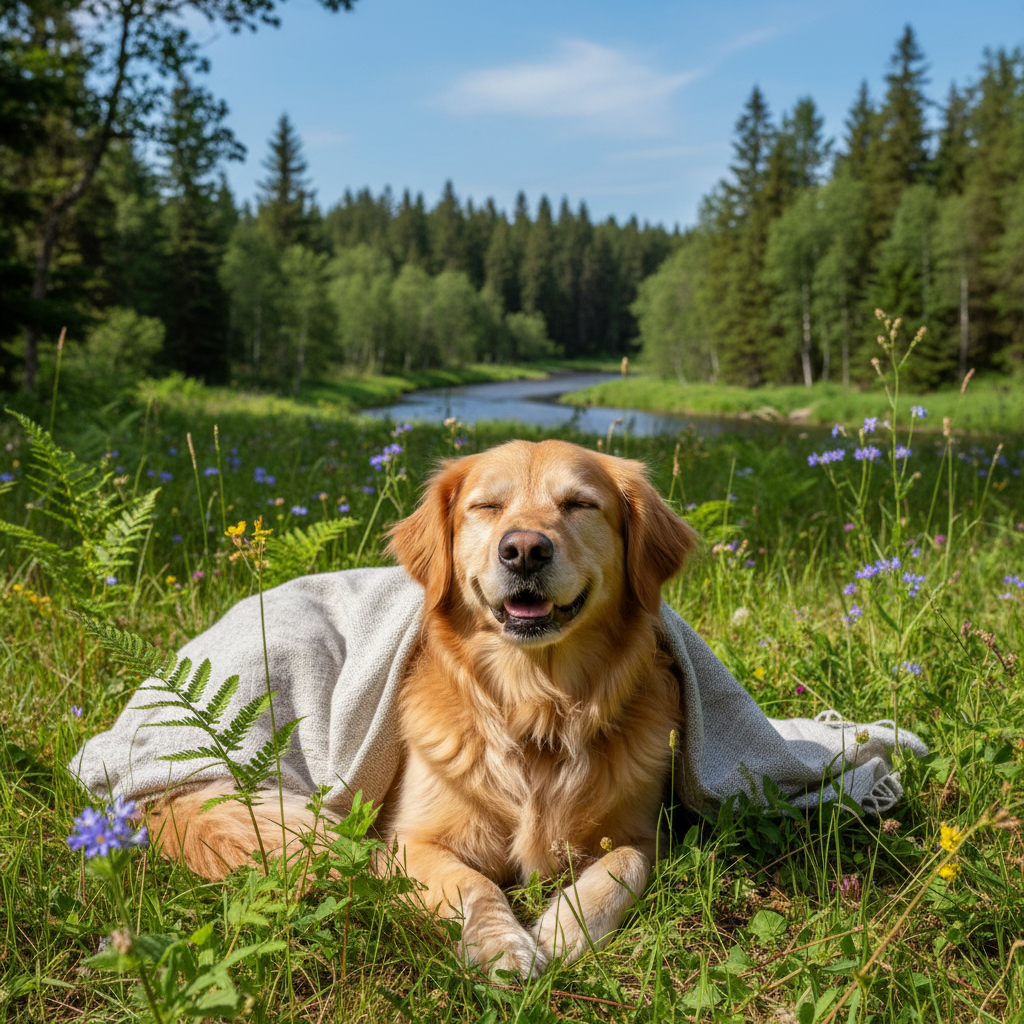
Key Takeaways
- Dogs experience REM sleep, similar to humans.
- REM sleep involves intense brain activity and vivid dreams for dogs.
- This scientific understanding blurs the distinction between human and animal consciousness.
- Recognizing canine dream lives fosters deeper empathy for pets.
- Respecting their inner world enhances responsible pet ownership.
As the days grow longer and we seek comfort in our routines, a fascinating new insight into the inner lives of our canine companions is emerging. Recent scientific findings are shedding light on the rich dream world of dogs, prompting us to rethink the very nature of our relationship with these cherished family members.
TL;DR: Key Facts
- Dogs experience Rapid Eye Movement (REM) sleep, similar to humans.
- REM sleep in dogs involves intense brain activity and is associated with vivid dreams.
- This scientific understanding further blurs the traditional distinctions between human and animal consciousness.
- Recognizing canine dream lives fosters deeper empathy and understanding for our pets.
- Respecting their complex inner world enhances responsible, holistic pet ownership.
What Happened
Recent scientific exploration, as highlighted by Whole Dog Journal, is significantly advancing our understanding of canine sleep. For years, anecdotal evidence suggested our furry friends were active sleepers, twitching paws and making soft noises as if chasing imaginary rabbits. Now, science confirms these observations: dogs, much like humans, experience Rapid Eye Movement (REM) sleep, a crucial stage characterized by heightened brain activity and what scientists believe to be vivid dreams.
This revelation isn't just about confirming what many pet owners already suspected; it's a profound scientific step that further blurs the traditional distinctions between human and animal consciousness. The presence of complex dream states, where the brain actively processes and consolidates experiences from the waking day, suggests a level of cognitive and emotional depth in dogs that demands our attention. It underscores that our canine companions are not simply instinct-driven creatures but sentient beings with rich, internal lives, processing their world through a lens far more intricate than previously acknowledged.
Why It Matters
For GreenNest Living readers, this new understanding isn't just a scientific curiosity; it's a foundational shift in how we approach PetCare. If our dogs experience such deep, vivid dream states, it fundamentally underscores their profound sentience and emotional complexity. This calls for a more empathetic, holistic approach to their well-being, recognizing that their mental and emotional health are as crucial as their physical comfort and nutritional needs. We are called to move beyond simply feeding and walking our pets, to truly understanding and nurturing their entire being, including their need for quality rest and a stimulating, yet calming, daily life.
This realization profoundly reinforces the GreenNest philosophy: that all life is interconnected and worthy of respect. Understanding our dogs' dream lives encourages us to foster home environments that promote deep, restorative sleep, free from chronic stress and discomfort. It challenges us to consider their psychological needs more deeply, acknowledging that a well-rested dog is likely a happier, healthier companion. This deeper appreciation of their inner world strengthens the human-animal bond, transforming it from a simple cohabitation to a relationship built on mutual understanding and profound respect.
Furthermore, a deeper connection to our pets, built on understanding and empathy, inherently promotes more sustainable pet ownership. When we truly value and recognize the complex inner life of our animals, we are naturally more inclined to make responsible choices that support their long-term health and happiness. This extends to sourcing sustainable pet products, reducing our pet's environmental paw print, and fostering a lifelong commitment to their care, thereby reducing the unfortunate cycles of abandonment and neglect. This deep-seated commitment aligns perfectly with a sustainable lifestyle, where compassion and responsibility extend to all living creatures under our care.
What You Can Do
- Create a Sanctuary Sleep Space: Designate a quiet, dark, and comfortable area for your dog to sleep, away from high-traffic zones. Ensure it's temperature-controlled and free from sudden noises.
- Establish a Consistent Routine: Dogs thrive on predictability. Maintaining a regular feeding, exercise, and bedtime schedule helps regulate their internal clock and promotes better sleep quality.
- Ensure Adequate Mental & Physical Stimulation: A tired dog is often a well-rested dog. Engage them in daily walks, playtime, and mentally stimulating puzzle toys appropriate for their breed and age to fulfill their innate needs.
- Minimize Nighttime Disruptions: Limit loud noises, bright lights, and human activity around their sleeping area, especially during peak REM cycles, to allow for uninterrupted, restorative sleep.
- Observe and Learn Their Cues: Pay attention to your dog's sleep patterns. Are they restless? Do they seem uncomfortable? These observations can provide clues to underlying issues affecting their sleep and overall well-being.
- Prioritize Pre-Sleep Calming Rituals: Just like humans, dogs can benefit from winding down. A gentle massage, a short, calm walk, or quiet cuddle time before bed can signal it's time to rest and encourage deeper sleep.
Ciro's Take
As an environmental advocate, this news about the dream life of dogs resonates deeply with me. It’s a powerful reminder that sentience isn't exclusive to humans, and that our animal companions share more with us than we often acknowledge. This scientific bridge between species compels us to reconsider our stewardship role, not just for the wild world, but for the creatures sharing our homes. For me, truly understanding the intricate inner world of a dog—knowing they dream and process experiences—reinforces the imperative for compassionate, sustainable pet care. It transforms a pet from a possession into a conscious being deserving of the highest respect, urging us to make choices that support their well-being and, by extension, the health of the entire planet we share.
FAQs
Q: Do dogs truly dream in the same way humans do?
A: While we can't definitively ask them, scientific observations of canine REM sleep—the stage associated with vivid dreaming in humans—show intense brain activity. This strongly suggests dogs are processing daily events, learning, and potentially experiencing sensory-rich "dreams" akin to ours, involving sights, sounds, and even smells from their waking lives.
Q: How can I recognize if my dog is dreaming?
A: When a dog is in deep sleep, particularly REM, you might observe subtle signs like twitching paws, soft whimpers, muffled barks, or rapid eye movements under their eyelids. Their breathing might become irregular or shallow. These are normal indications of an active dream state and generally not a cause for concern.
Q: Are there environmental factors that can impact my dog's dream quality?
A: Absolutely. A noisy, chaotic, or uncomfortable sleeping environment can significantly disrupt a dog's sleep cycles, including their REM phase. Ensuring a quiet, safe, and comfortable bed in a stable temperature, coupled with sufficient mental and physical exercise during the day, contributes to more restful and restorative sleep, likely leading to better dream experiences.
Sources
This article is based on reporting by Whole Dog Journal.
Original source
Whole Dog Journal
Author, Digital Entrepreneur & AI Creator
More from PetCare
- Rescue Dogs: Nurturing a New Beginning in Your Green Home — May 14, 2026
- Beagle Rescue: Unmasking the Ethics of Pet Product Testing — May 13, 2026
- Fresh Home, Happy Pup: Sustainable Ways to Beat Pet Odors — May 11, 2026
- Green PetCare: The Truth About Vaseline and Your Dog — May 10, 2026
- Mass Beagle Rescue Shines Light on Ethical Pet Sourcing — May 9, 2026