Robot Lawnmowers: Germany Debates Ban to Protect Hedgehogs
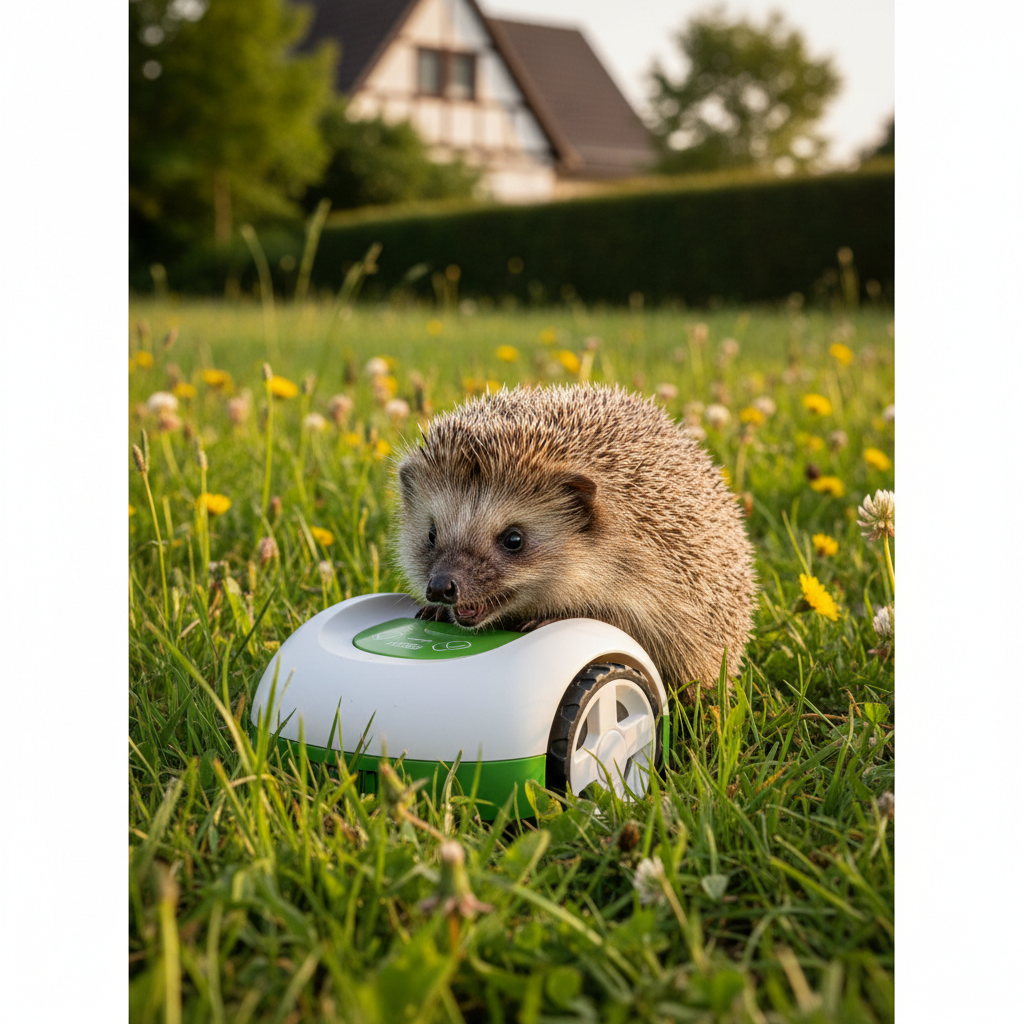
In our pursuit of convenience and perfectly manicured lawns, are we inadvertently endangering the very creatures that bring our gardens to life? A pressing issue is emerging from Germany, where a nationwide ban on nighttime robot lawnmower operation is being urgently called for. This isn't just about garden aesthetics; it's about the lives of vulnerable wildlife, particularly the beloved hedgehog, that share our green spaces.
This concern strikes at the heart of sustainable living and responsible home management, urging us to consider the hidden costs of modern technology on our local ecosystems right now.
TL;DR: Key Facts
- Mayors across Germany are advocating for a nationwide ban on robot lawnmowers operating at night.
- The primary motivation for this proposed ban is the documented harm and fatalities inflicted upon hedgehogs.
- Other small wild animals are also reportedly at significant risk from these autonomous machines.
- Hedgehogs, being nocturnal and slow-moving, are particularly vulnerable to the fast-moving blades.
- The growing concern highlights a critical need to balance modern convenience with wildlife protection in our gardens.
What Happened
An alarming trend has prompted mayors across Germany to call for a nationwide prohibition on the nighttime use of robot lawnmowers. The independent news platform, "The Animal Reader," based in the Netherlands, has highlighted this urgent plea, detailing how these automated garden tools are proving deadly for hedgehogs and other small wildlife.
Hedgehogs, a protected species in many European countries, are nocturnal by nature, making them active during the hours when many robot lawnmowers are programmed to operate autonomously. Their natural defense mechanism of curling into a ball offers no protection against the sharp, fast-moving blades of these machines, leading to severe injuries, dismemberment, and often, death.
This call for a ban reflects a growing understanding among local authorities of the unintended ecological consequences of common household technology. The focus on a nationwide ban underscores the widespread nature of the problem and the need for a comprehensive, standardized solution to protect vulnerable garden inhabitants.
Why It Matters
For GreenNest Living readers, this news is a stark reminder that our "PetCare" responsibilities extend beyond our domesticated companions to the wild creatures that inhabit our gardens and surrounding environments. Hedgehogs are not just a charming part of the European landscape; they are vital indicators of ecological health and often act as natural pest controllers, consuming slugs and insects.
The rise of robot lawnmowers, initially welcomed for their convenience and perceived eco-friendliness (electric vs. petrol), has introduced an unforeseen and tragic risk. This situation forces us to confront the ethical implications of our household technologies and evaluate whether our pursuit of a pristine lawn comes at an unacceptable cost to local biodiversity. It highlights that 'sustainable living' isn't just about reducing our carbon footprint, but also about fostering a harmonious relationship with all forms of life in our immediate vicinity.
As stewards of our properties, we have a profound impact on the local ecosystem. The plight of the hedgehog due to robot lawnmowers serves as a powerful call to action, urging us to re-evaluate our gardening practices and choose solutions that genuinely support a thriving, diverse environment, rather than inadvertently harming it. It challenges us to broaden our definition of 'PetCare' to encompass the holistic well-being of our entire shared habitat.
What You Can Do
Protecting hedgehogs and other garden wildlife from robot lawnmowers is achievable with a few thoughtful adjustments to your gardening routine:
- Restrict Nighttime Operation: Always program your robot lawnmower to operate exclusively during daylight hours. Hedgehogs are primarily active from dusk till dawn.
- Perform a Thorough Garden Check: Before each mowing session, manually inspect your lawn and garden borders for any resting or foraging wildlife, especially hedgehogs, birds, or amphibians.
- Create Designated Wildlife Havens: Provide safe spaces like log piles, leaf litter, or dense shrubs where small animals can safely shelter during the day and night.
- Install Hedgehog Gaps in Fences: Ensure there are small, 13x13 cm (5x5 inch) gaps in fences and walls to allow hedgehogs to move freely between gardens, avoiding being trapped in one area.
- Consider Manual or Attended Mowing: If possible, opt for traditional manual mowers, or be present and vigilant when your robot mower is operating to intervene if wildlife is spotted.
- Support Local Wildlife Initiatives: Get involved with or donate to organizations working to protect hedgehogs and other local wildlife, helping to raise awareness and fund conservation efforts.
FAQs
Q: Why are hedgehogs particularly vulnerable to robot lawnmowers?
A: Hedgehogs are nocturnal animals, meaning they are active at night when many robot mowers are scheduled to operate. When threatened, their natural defense is to curl into a ball, which offers no protection against rotating blades, often leading to severe, fatal injuries.
Q: Are all robot lawnmowers equally dangerous?
A: While all robot lawnmowers operating at night pose a risk, newer models with advanced sensor technology designed to detect small obstacles might offer slightly better safety. However, no robot mower is foolproof, and manual checks and daytime operation remain the safest practices.
Q: Is this issue confined to Germany, or is it a broader concern?
A: While the call for a ban originates from Germany, the risk to hedgehogs and other ground-dwelling wildlife from robot lawnmowers is a concern wherever these animals and devices coexist, particularly in Europe where hedgehog populations are already in decline.
Sources
This article is based on reporting by The Animal Reader.
Original source
The Animal Reader
Author, Digital Entrepreneur & AI Creator
More from PetCare
- Rescue Dogs: Nurturing a New Beginning in Your Green Home — May 14, 2026
- Beagle Rescue: Unmasking the Ethics of Pet Product Testing — May 13, 2026
- Fresh Home, Happy Pup: Sustainable Ways to Beat Pet Odors — May 11, 2026
- Green PetCare: The Truth About Vaseline and Your Dog — May 10, 2026
- Mass Beagle Rescue Shines Light on Ethical Pet Sourcing — May 9, 2026