Smart Cars: A Data Privacy Nightmare?
Key Takeaways
- Cars ranked worst among consumer products for data privacy by Mozilla Foundation.
- Vehicles collect vast personal data, including sensitive biometric and even genetic info.
- Most manufacturers admit to sharing/selling data to third parties, often without clear consent.
- Consumers have minimal control over their car's data collection and usage.
- Report highlights pervasive lack of transparency and misleading privacy policies in the automotive industry.
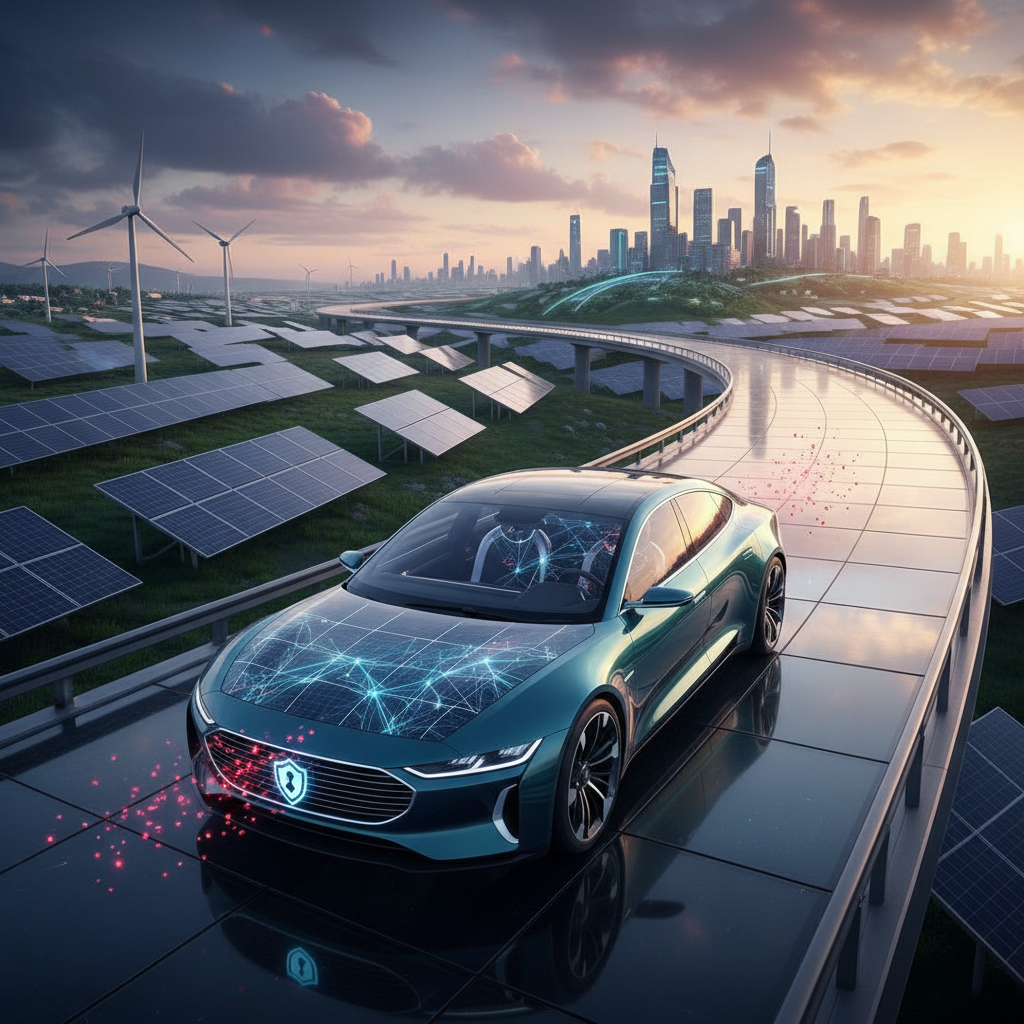
As our vehicles become increasingly intelligent, offering eco-friendly electric powertrains and cutting-edge connectivity, a darker side is emerging: a profound invasion of personal privacy. The very technology designed to make our lives greener and more convenient is now spotlighted for its alarming data collection practices, challenging what it truly means for a product to be 'sustainable'.
TL;DR: Key Facts
- The Mozilla Foundation recently ranked cars as the worst consumer product category for data privacy.
- Vehicles collect an unprecedented range of personal data, including highly sensitive information like driving habits, location, biometric data, and even genetic information.
- Most car manufacturers admit to sharing or selling this data to third parties, including data brokers and government entities.
- Consumers have minimal control over what data is collected, how it's used, or with whom it's shared.
- The report highlights a significant lack of transparency and often misleading privacy policies across the automotive industry.
What Happened
The Mozilla Foundation, known for its advocacy for an open and private internet, has released a scathing report condemning the automotive industry's data privacy practices. Their comprehensive study found that modern cars are collecting an astonishing array of personal information from their drivers and passengers. This data goes far beyond what might be expected for vehicle operation, encompassing sensitive details like precise location history, driving patterns, app usage within the vehicle, and even biometric data (e.g., facial recognition, voice prints). Shockingly, some cars were found to collect information about sexual activity, immigration status, race, and even genetic information, often inferred or collected through connected apps.
The report details how nearly all car brands assessed admit to sharing or selling this collected data to various third parties, including data brokers, law enforcement, and government agencies. This sharing often occurs without clear, informed consent from the consumer. Adding to the concern, Mozilla found that an alarming majority of car companies have vague and unreadable privacy policies, making it nearly impossible for consumers to understand what they are agreeing to. Furthermore, very few manufacturers offer owners any meaningful control over their data, such as the ability to delete it or opt-out of sharing.
This widespread and largely unchecked data collection paints a grim picture for consumer rights in the age of connected vehicles. The Foundation argues that the automotive sector's approach to data privacy is far worse than other consumer electronics, establishing a new low bar for digital security and personal autonomy.
Why It Matters
For readers of GreenNest Living, this news transcends mere technological concern; it strikes at the heart of what 'sustainable living' truly means in the 21st century. As we champion electric vehicles and smart transportation as pillars of a greener future, it's critical to ensure that these advancements don't come at the cost of fundamental human rights, specifically privacy. The promise of green tech isn't just about reducing emissions; it's about building a better, more ethical future, and that includes respecting the digital well-being of individuals.
This pervasive data collection creates a paradox for environmental advocates. How can we fully embrace cleaner transportation when the very act of driving a 'green' vehicle might expose our most intimate personal details to unknown entities? The ethical implications are enormous. Without robust privacy protections, the data collected could be used for targeted advertising, discriminatory practices, or even surveillance, undermining the trust essential for widespread adoption of smart, connected green technologies. It forces us to ask: Is a vehicle truly 'sustainable' if its operational model exploits personal information?
Moreover, this issue highlights the urgent need for consumers and policymakers to demand more from manufacturers. As green tech innovation accelerates, so too must the development of ethical guidelines and regulatory frameworks. We must push for a future where technology serves humanity holistically, protecting both our planet and our individual freedoms, ensuring that advancements in sustainability are not built on a foundation of data exploitation.
What You Can Do
Here’s an actionable checklist to help you navigate this complex issue:
- Read Your Car's Privacy Policy: Yes, it’s tedious, but understand what data your vehicle collects and how it's used. Look for clear opt-out options.
- Disable Unnecessary Features: Turn off location tracking, connected services, and other data-sharing options in your car’s infotainment system if you don't use them or feel uncomfortable.
- Be Wary of Third-Party Apps: Exercise caution when connecting your car to smartphone apps or other third-party services, as these can be additional avenues for data collection.
- Demand Transparency: Contact your car manufacturer to express your concerns about data privacy and request clearer policies and more control over your information.
- Advocate for Stronger Laws: Support organizations pushing for comprehensive data privacy legislation, similar to GDPR, that specifically addresses connected vehicles and IoT devices.
- Consider Older Models: If privacy is a paramount concern, and you're in the market for a new car, consider simpler models with fewer 'smart' features or older used vehicles.
Ciro's Take
As someone deeply committed to sustainable living, this revelation from Mozilla is profoundly disturbing. It forces us to confront a uncomfortable truth: green technology, while vital for our planet, is not inherently ethical or privacy-preserving. The push for electric and autonomous vehicles, for all its ecological benefits, is laying the groundwork for unprecedented data harvesting. This isn't just about my personal driving habits; it's about defining the very essence of a 'smart' and 'sustainable' future. Do we accept a trade-off where environmental progress demands a surrender of our digital autonomy? I believe we must fiercely advocate for a future where innovation is married to integrity, where the cars that save our planet also respect our individual rights. It's a critical next frontier for environmental advocacy.
FAQs
Q: What kind of data do cars collect that is considered invasive?
A: Modern cars collect a wide range of data, including precise location history, driving speed, braking patterns, in-car voice commands, connected smartphone data, contacts, messages, and even inferred information about health, sexual activity, and political views through algorithms and connected apps.
Q: Can I stop my car from collecting data?
A: It's extremely difficult, and often impossible, to completely stop modern cars from collecting data. While you can disable some features (like GPS tracking or certain connected services), manufacturers often embed data collection deep into the vehicle's operating system, with opaque privacy settings and policies.
Q: Why is this a "Green Tech" issue for GreenNest Living readers?
A: While not directly about environmental impact, the ethical considerations of data privacy in connected vehicles are crucial for a holistic view of sustainable living. Green Tech should not just be environmentally friendly, but also socially responsible and respectful of human rights. Unchecked data collection undermines the trust and ethical foundation required for broad, sustainable societal adoption of these new technologies.
Sources
This article is based on reporting by CleanTechnica.
Original source
CleanTechnica
Author, Digital Entrepreneur & AI Creator
More from Green Tech
- Geely's European Leap: Ford Factory Sale Reshapes EV Map — May 22, 2026
- Hyundai Supercharges India's EV Future with Expanded Research — May 21, 2026
- Ontario's Grid Puzzle: Hydrostor vs. BESS Reality Check — May 20, 2026
- F1's Carbon U-Turn? Ford's V-8 Engine Plans Raise Eyebrows — May 19, 2026