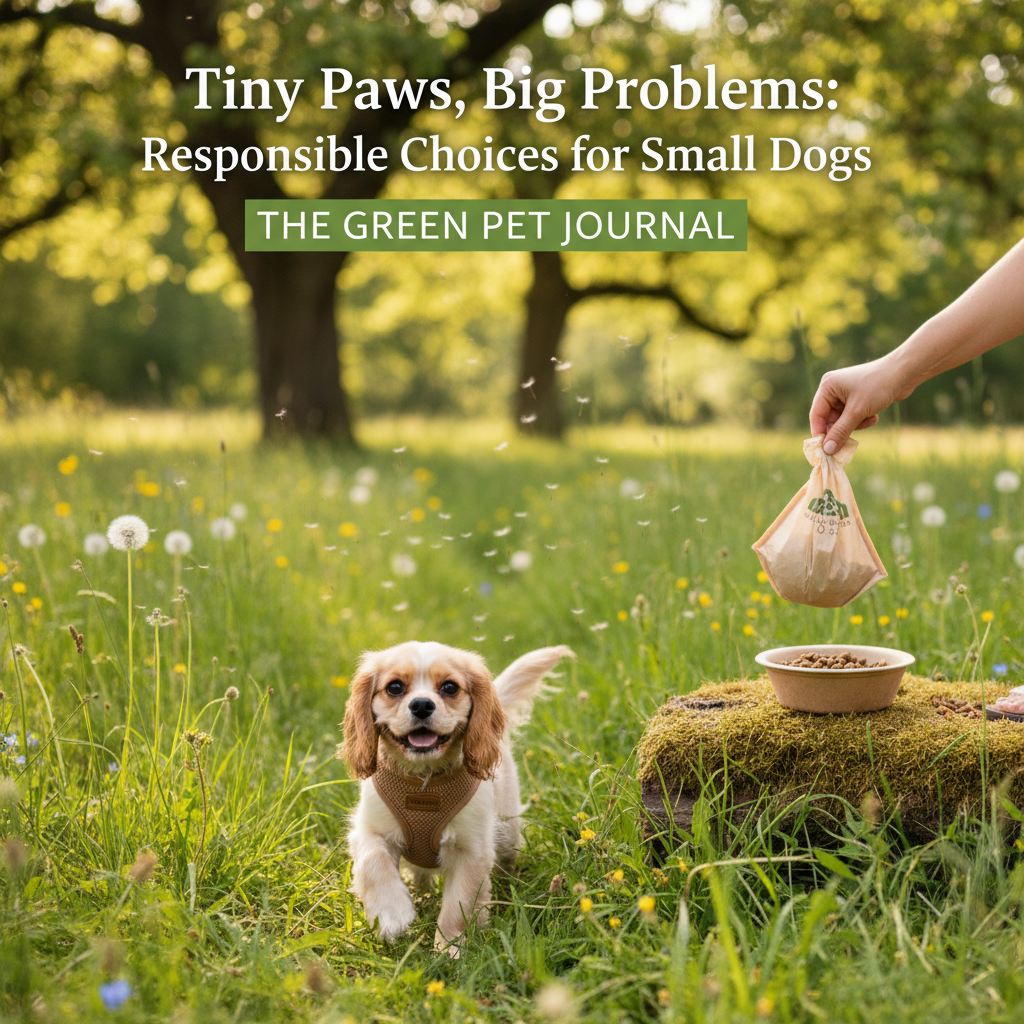
Tiny Paws, Big Problems: Responsible Choices for Small Dogs
Key Takeaways
- The term 'teacup dog' is a red flag for irresponsible breeding.
- Unethical breeding leads to severe health and longevity issues for dogs.
- Demand for tiny dogs, especially in cities, fuels these practices.
- Healthy, small dog alternatives exist through responsible breeders or adoption.
- Making informed choices supports animal welfare and sustainable pet ownership.
Tiny Paws, Big Problems: Responsible Choices for Small Dogs
The trend of owning miniature pets continues to capture hearts, but a closer look reveals a concerning underbelly, especially when it comes to so-called 'teacup dogs'. What might seem like an adorable choice for small spaces or city living can often be a red flag for unethical practices that compromise an animal's well-being. It's time for us, as compassionate pet guardians and advocates for sustainable living, to understand the true cost behind these tiny companions and make informed, ethical decisions.
As consumers, our choices directly impact the pet industry. By understanding the implications of terms like 'teacup dog', we can help shift demand away from irresponsible breeding and toward practices that prioritize health, longevity, and the overall welfare of these beloved creatures. This isn't just about finding a pet; it's about fostering a more humane and sustainable approach to pet ownership.
TL;DR: Key Facts
- The term 'teacup dog' commonly indicates irresponsible breeding practices.
- These breeding methods often lead to significant health and longevity issues for the dogs.
- The popularity of small dogs, especially in urban areas, drives demand for these tiny breeds.
- Healthy, responsibly-bred small dog alternatives exist without compromising welfare.
- Making informed choices is crucial to support ethical pet ownership.
What Happened
The allure of tiny dogs is undeniable, with their small stature making them incredibly appealing to many prospective pet owners. Often marketed under charming monikers such as 'teacup dog,' these miniature canines are seen as perfect companions for those with limited space, common in urban environments, or simply for their undeniable cuteness. The desire for a compact pet is a significant driver in this market segment.
However, the designation 'teacup dog' carries a significant warning sign within the pet community. Experts highlight that this term, while sounding endearing, often points directly to breeding practices that are far from ethical or responsible. Such methods typically prioritize extreme smallness above all else, frequently leading to genetic weaknesses, chronic health conditions, and significantly shortened lifespans for the animals involved.
Thankfully, the good news is that acquiring a small dog doesn't have to come at the expense of its well-being. The issue isn't with small dogs themselves, but rather with the irresponsible practices associated with the 'teacup' label. There are healthy, responsibly bred small dog options available that can fulfill the desire for a compact pet without contributing to unethical breeding. The key lies in understanding the difference and making informed choices, ensuring that the decision to bring a small dog into one's home prioritizes the animal's health and quality of life over mere size.
Why It Matters
For readers of GreenNest Living, the implications of supporting responsible pet ownership extend far beyond the individual animal. This issue encapsulates our core values: ethical consumerism, animal welfare, and the promotion of sustainable practices. When we choose a pet, we're not just bringing a companion into our home; we're also making a statement about the kind of industry we wish to support.
The practice of breeding 'teacup dogs' often involves deliberate malnourishment, premature separation from mothers, and breeding from runts of litters, all to achieve an unnaturally small size. This emphasis on aesthetics over health results in dogs prone to hypoglycemia, fragile bones, heart defects, respiratory problems, and neurological disorders. Our pets deserve a life free from suffering caused by human demand for novelty. By being educated, we empower ourselves to make choices that prevent unnecessary animal suffering and contribute to a healthier pet population overall.
Furthermore, responsible pet ownership is a cornerstone of sustainable living. It means making choices that reduce our environmental footprint and uphold ethical standards. Supporting responsible breeders or adopting from shelters ensures that we are not inadvertently contributing to puppy mills or exploitative practices. It's about recognizing that every living being, regardless of size, deserves respect, care, and the chance for a healthy, full life. For GreenNest Living readers, this means aligning our compassion with our purchasing power, advocating for a pet industry that reflects our values of integrity and kindness.
What You Can Do
- Educate Yourself Thoroughly: Before getting a small dog, research reputable breeds and understand their specific health needs. Be wary of any breeder using the term 'teacup' as a primary selling point.
- Seek Responsible Breeders: A responsible breeder will prioritize health, temperament, and adherence to breed standards, not just size. They should be transparent about health screenings for parents and allow you to visit their facility.
- Consider Adoption: Many small dogs of various breeds and mixes end up in shelters and rescues. Adopting gives a deserving animal a second chance and avoids supporting commercial breeding operations.
- Prioritize Health Over Size: Focus on finding a dog with a clear health history from well-documented lineage, rather than fixating on the smallest possible size. A slightly larger small dog might be a healthier dog.
- Prepare for Small Dog Needs: Understand that tiny dogs have unique needs, including fragile bones, susceptibility to cold, and specific dietary requirements. Ensure you can provide the right environment and care.
- Consult a Veterinarian: Discuss your pet ownership plans with a vet before committing. They can offer advice on breed health, potential issues, and responsible pet care.
FAQs
Q: What exactly is a 'teacup dog'?
A: 'Teacup dog' is not an official breed classification but a marketing term for exceptionally small dogs, often weighing under 5 pounds when fully grown. This extreme smallness is frequently achieved through irresponsible breeding practices rather than natural genetic selection.
Q: What health problems are common in 'teacup dogs'?
A: Due to their unnaturally small size, they are prone to a range of serious health issues including hypoglycemia (low blood sugar), fragile bones, heart defects, respiratory problems, seizures, and hydrocephalus. Many also have compromised immune systems and dental problems.
Q: How can I find a healthy small dog responsibly?
A: Look for breeders who specialize in recognized small dog breeds and can provide health clearances for the parents. Ask for references, visit their facility, and avoid breeders who refuse to show you the parents or provide health guarantees. Alternatively, consider adopting a small dog from a reputable rescue organization or shelter.
Sources
This article is based on reporting by Whole Dog Journal.
Original source
Whole Dog Journal
Author, Digital Entrepreneur & AI Creator
More from PetCare
- Rescue Dogs: Nurturing a New Beginning in Your Green Home — May 14, 2026
- Beagle Rescue: Unmasking the Ethics of Pet Product Testing — May 13, 2026
- Fresh Home, Happy Pup: Sustainable Ways to Beat Pet Odors — May 11, 2026
- Green PetCare: The Truth About Vaseline and Your Dog — May 10, 2026
- Mass Beagle Rescue Shines Light on Ethical Pet Sourcing — May 9, 2026