Tragic Whale Death: A Call to Action for Ocean Stewardship
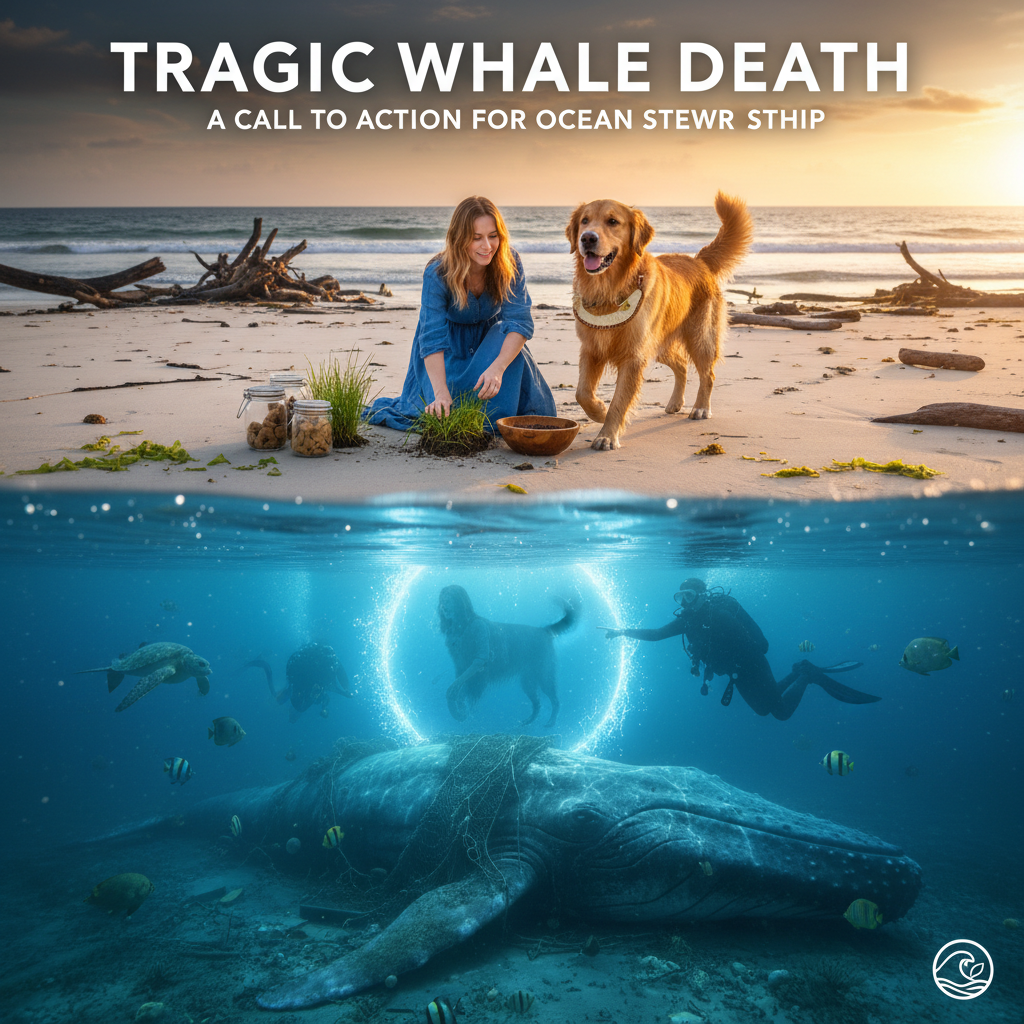
Key Takeaways
- A critically endangered North Atlantic right whale was found dead off Virginia.
- This is the second confirmed death this year for a species with only ~360 individuals.
- Primary threats include vessel strikes and fishing gear entanglement.
- The incident underscores the urgent need for stronger conservation efforts.
- Our collective actions and consumer choices directly impact marine wildlife and ocean health.
The tragic discovery of a critically endangered North Atlantic right whale found dead off the coast of Virginia is more than just a news item; it's a profound alarm bell for environmentalists, policymakers, and indeed, every individual who shares this planet. This is not merely an incident but a stark indicator of the immense pressures facing our oceans' most vulnerable inhabitants, demanding immediate reflection and action from us all.
TL;DR: Key Facts
- A critically endangered North Atlantic right whale was found deceased off the coast of Virginia.
- This marks the second confirmed death of this species in the year, further depleting its already fragile population.
- North Atlantic right whales are one of the world's most endangered large whale species, with an estimated population of only around 360 individuals.
- Primary threats to these whales include vessel strikes and entanglement in fishing gear.
- The incident underscores the urgent need for enhanced conservation efforts and human activity mitigation in their habitat.
What Happened
An independent news platform, The Animal Reader, reported the discovery of a deceased North Atlantic right whale, a species teetering on the brink of extinction. The whale was found off the coast of Virginia, adding a grim tally to the species' rapidly declining numbers. This marks the second confirmed mortality for the critically endangered mammal in the current year, a devastating blow given the species' precarious survival status.
Experts estimate the global population of North Atlantic right whales to be alarmingly low, hovering around just 360 individuals. Each death represents a significant loss, making their recovery an uphill battle. While the specific cause of this latest death has not yet been detailed in the initial reports, previous mortalities in this species are overwhelmingly linked to human activities, predominantly collisions with large vessels and entanglement in commercial fishing gear.
Why It Matters
While the news of a whale's death might seem distant from the day-to-day concerns of 'PetCare,' the connection is deeper than you might think, especially for readers of GreenNest Living. If we embrace the broader philosophy of caring for living beings and their environments, the plight of the North Atlantic right whale becomes an extension of our collective 'pet care' responsibility. Our pets, whether dogs, cats, or birds, thrive in healthy environments. The health of our global ecosystem, including our oceans, directly impacts the health of our local environments and, by extension, our beloved domestic companions.
The right whale's struggle is a poignant reminder that we are all stewards of this planet. Just as we ensure our pets have clean water, safe spaces, and proper nutrition, we must advocate for the same for all species, wild or domesticated. The issues threatening these whales—ocean noise, plastic pollution, unsustainable fishing practices, and habitat destruction—are often byproducts of human lifestyles and consumer choices. Many of these choices, from the food we eat to the products we buy, indirectly affect marine ecosystems. Therefore, extending our ethic of care from our household pets to the 'global pets' of our planet, like these majestic whales, is a moral imperative. Their survival is an indicator of the ocean's health, which in turn influences global climate patterns, food security, and the very air we breathe.
When we lose a species like the North Atlantic right whale, we lose more than just an animal; we lose a critical piece of biodiversity, a complex ecological role, and a testament to natural wonder. For GreenNest Living readers, understanding this interconnectedness means recognizing that responsible 'pet care' isn't just about what's in our homes, but about fostering a healthy, balanced planet where all life can thrive. Their continued decline sends a dire message about the state of our shared world and the urgent need for a more sustainable approach to living.
What You Can Do
Our collective actions, however small, can contribute to the preservation of marine life and the health of our oceans. Here are some practical steps you can take:
- Support Sustainable Seafood Choices: Research and choose seafood products that are certified as sustainable, indicating they are caught or farmed in ways that minimize environmental impact and don't harm endangered species or their habitats. This reduces demand for destructive fishing practices that can entangle whales.
- Reduce Plastic Consumption: Single-use plastics are a major source of ocean pollution, posing entanglement and ingestion risks for marine animals. Opt for reusable bags, bottles, and containers, and participate in local clean-up initiatives.
- Advocate for Stronger Protections: Contact your elected officials to express support for policies that protect marine wildlife, such as stricter regulations on vessel speeds in whale habitats and the development of 'whale-safe' fishing gear.
- Practice Responsible Boating: If you enjoy recreational boating, educate yourself on marine wildlife viewing guidelines. Maintain safe distances from all marine animals, operate at safe speeds in known whale zones, and report any sightings of entangled or distressed animals to authorities immediately.
- Educate and Inspire Others: Share information about the plight of the North Atlantic right whale and other endangered species with your friends, family, and social networks. Awareness is the first step towards collective action and fostering a culture of environmental stewardship.
- Donate to Conservation Organizations: Support reputable non-profits dedicated to marine conservation and research. These organizations often lead critical efforts in policy advocacy, scientific study, and on-the-ground protection for endangered species like the right whale.
FAQs
Q: Why are North Atlantic right whales so endangered?
A: They face severe threats primarily from human activities. Historically, they were heavily hunted, and despite protection, their population struggles due to ongoing threats like collisions with large ships and entanglement in fishing gear, coupled with a low reproductive rate and climate change impacts on their food sources.
Q: What are the primary threats to these whales?
A: The two leading causes of mortality and serious injury are vessel strikes, where whales are hit by boats, and entanglement in fixed fishing gear like lobster and crab pot lines. These incidents can lead to severe injuries, drowning, or slow, agonizing deaths.
Q: How can I help if I see a whale or other marine mammal in distress?
A: If you encounter an entangled, injured, or dead whale or marine mammal, it's crucial not to approach it yourself. Immediately contact your local marine mammal stranding network or the appropriate government agency (e.g., NOAA Fisheries in the US). Provide clear details about the location, size, and condition of the animal. Your safety and the animal's well-being depend on professional intervention.
Sources
This article is based on reporting by The Animal Reader.
Original source
The Animal Reader
Author, Digital Entrepreneur & AI Creator
More from PetCare
- Rescue Dogs: Nurturing a New Beginning in Your Green Home — May 14, 2026
- Beagle Rescue: Unmasking the Ethics of Pet Product Testing — May 13, 2026
- Fresh Home, Happy Pup: Sustainable Ways to Beat Pet Odors — May 11, 2026
- Green PetCare: The Truth About Vaseline and Your Dog — May 10, 2026
- Mass Beagle Rescue Shines Light on Ethical Pet Sourcing — May 9, 2026