Unlocking Their World: The Astonishing Power of Your Dog's Nose
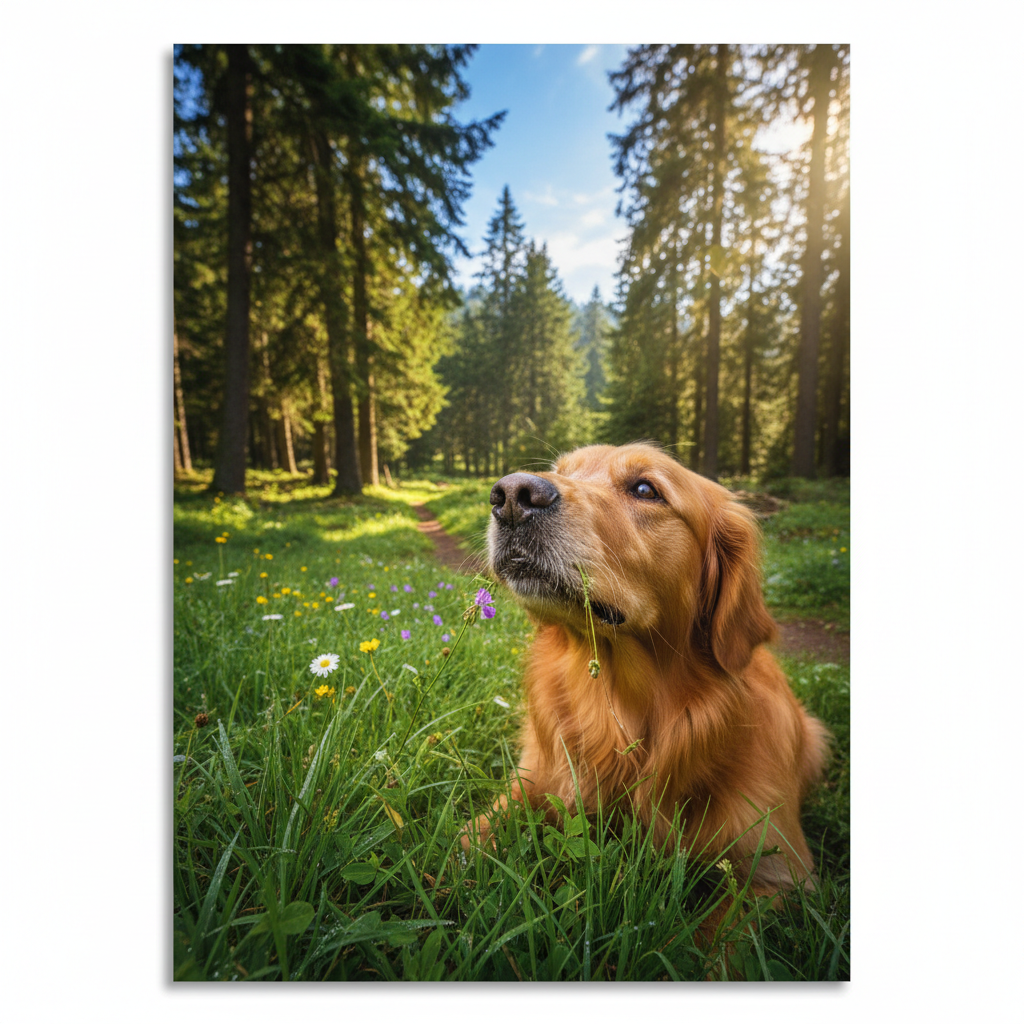
Key Takeaways
- Dogs primarily experience the world through scent, not sight or sound, due to an olfactory system vastly superior to humans'.
- Their noses can detect individual scent particles over extremely long distances, shaping their perception of reality.
- Understanding this super-sense is key to providing essential mental and physical enrichment for your dog.
- Allowing 'sniff walks' and engaging in scent games (like 'find it' or using snuffle mats) significantly improves canine well-being and reduces anxiety.
- Embracing their natural scent drive fosters a deeper, more respectful, and sustainable bond with your dog, honoring their innate biological needs.
Understanding Our Four-Legged Companions Through Their Primary Sense
As humans, we often navigate the world through our eyes and ears, interpreting the vibrant tapestry of sights and sounds that surround us. But imagine a different reality, one where the whispers of the wind carry stories from miles away, where every surface holds a rich narrative, and where the air itself is a symphony of information. This isn't science fiction; it's the everyday experience of your dog.
At GreenNest Living, we’re always eager to deepen our understanding of the natural world and our place within it, including the beloved creatures who share our homes. That's why a recent insight from Whole Dog Journal caught our attention, highlighting just how profound a dog’s sense of smell truly is. The article, "How Far Can a Dog Smell?," underscores a truth we often overlook: for our canine companions, smell is where it’s at. Their nose isn’t just a cute wet button; it’s a biological marvel, a primary tool for experiencing and understanding their world, capable of detecting scents that are quite literally miles away.
This isn't merely a fascinating tidbit; it's a revelation that calls us to reconsider how we interact with and care for our dogs. By understanding the extraordinary capabilities of their olfactory system, we can unlock new ways to enrich their lives, strengthen our bond, and foster a more harmonious existence rooted in their natural instincts. It’s an invitation to step into their world, nose first.
The Olfactory Marvel: A Symphony of Scent Particles
When Whole Dog Journal mentions a dog's ability to smell things "miles away," it's not an exaggeration. The canine olfactory system is an engineering masterpiece of evolution, far surpassing our own in every conceivable metric. To truly grasp this, let's break down some of the biological distinctions:
-
Receptor Count: While humans possess a respectable 5-6 million olfactory receptors, dogs boast an astounding 200-300 million, or even more depending on the breed. This sheer volume means they have significantly more "sensors" to pick up scent molecules.
-
Olfactory Bulb: The part of the brain responsible for processing smells, the olfactory bulb, is proportionally much larger in dogs. For some breeds, it's 40 times larger than in humans relative to total brain size, indicating a massive dedication of brain power to scent analysis.
-
Nasal Structure: Inside a dog's nose are intricate folds of bone and tissue called ethmoturbinates, which dramatically increase the surface area available for scent detection. They also have a unique air-flow system; when a dog sniffs, a fold of tissue separates incoming air (for smelling) from outgoing air (for breathing). This allows them to continuously sample new scents without exhaling them away.
-
Vomeronasal Organ (Jacobson's Organ): Beyond detecting general odors, dogs possess a specialized organ dedicated to sensing pheromones – chemical signals that convey information about other animals' reproductive status, emotions, and identity. This organ, located in the roof of their mouth, provides a whole additional layer of social information.
What this means in practical terms is that a single inhaled breath for a dog is an explosion of detailed information. They can detect individual components of complex smells, separate them, and even trace the direction of a scent, identifying which nostril received a stronger signal. This incredible sensitivity allows them to detect faint traces of scent diluted over vast distances, whether it's a deer trail from hours ago or the subtle residue of a human presence miles upwind.
Beyond the Sniff: How Dogs 'See' Their World Through Scent
For us, seeing is believing. For dogs, sniffing is knowing. Their highly evolved sense of smell is not just about finding food; it's their primary mode of interacting with and understanding their environment. They construct a detailed, dynamic mental map of their world based on odors, much like we do with visual landmarks.
-
Navigation and Memory: Dogs use scent to navigate and remember places. A familiar scent trail can guide them home, while new odors mark uncharted territory.
-
Social Communication: Every tree, every lamppost, every patch of grass is a "scent post." Urine, feces, and glandular secretions leave messages for other dogs, conveying information about identity, sex, health, and even emotional state.
-
Emotional Detection: Your dog can literally smell your emotions. When you're stressed, happy, or anxious, your body releases subtle chemical changes in your sweat and breath, which your dog's keen nose can detect, influencing their behavior and response.
-
Predator/Prey Detection: In the wild, this super-sense is crucial for both hunting and avoiding danger. For domestic dogs, it translates to heightened awareness of squirrels, rabbits, or even unfamiliar humans approaching.
When your dog is on a walk, they're not just taking a stroll; they're reading the daily newspaper of their neighborhood, absorbing every headline, every classified ad, and every editorial written in the language of scent. Denying them this opportunity is akin to forcing us to walk through a beautiful park with our eyes closed.
Enriching Your Dog's Life Through Scent: Practical Applications for Pet Parents
Understanding the fundamental role of scent in your dog's life provides a powerful pathway to improving their well-being. At GreenNest Living, we advocate for living in harmony with nature, and that extends to recognizing and honoring the innate needs of our animal companions. Here’s how you can leverage your dog's incredible nose:
-
Embrace the Sniff Walk: This is perhaps the simplest yet most impactful change you can make. Instead of marching your dog along a strict path, allow them time to stop, sniff, and explore. Let them linger at a particularly interesting patch of grass or a fire hydrant. These "sniffaris" are incredibly mentally stimulating and satisfying for dogs, reducing stress and providing a sense of purpose. Think of it as their daily dose of intellectual engagement.
-
Introduce Scent Games and Nose Work: Engage their natural hunting instincts with structured scent activities. These can be as simple or as complex as you like:
-
"Find It" Games: Hide treats around your home or yard and encourage your dog to find them. Start easy and gradually increase difficulty.
-
Snuffle Mats & Puzzle Toys: These are excellent tools for slow feeding and mental enrichment, requiring your dog to use their nose to extract kibble or treats.
-
Scent Trails: Drag a favorite toy or a treat along the ground for a short distance and let your dog follow the trail. This mimics tracking behavior.
-
K9 Nose Work/Scent Detection Classes: For the truly enthusiastic, formal classes teach dogs to find specific odors, building confidence and providing immense mental satisfaction.
-
-
Vary Their Environment: Introduce new, safe smells into their routine. This could mean walking different routes, letting them safely explore a new park (ensure it's dog-friendly and safe), or even bringing in natural elements like leaves or sticks from a short nature walk for them to investigate (ensure no toxic plants or pests).
-
Be Mindful of Cleaning Products and Air Fresheners: While we might enjoy a freshly scented home, strong artificial odors can be overwhelming for a dog’s sensitive nose. Opt for natural, unscented, or lightly scented pet-safe cleaning products.
-
Observe and Learn: Pay attention to what your dog is sniffing and how they react. Are they particularly interested in a certain bush? Do they perk up when a specific smell passes by? This observation can give you clues about their preferences and the rich world they inhabit.
A GreenNest Perspective: Fostering Deeper Connections
For us at GreenNest Living, the insights from Whole Dog Journal about a dog's extraordinary sense of smell resonate deeply with our philosophy of sustainable living. Sustainable living isn't just about eco-friendly products; it's about fostering a mindful, respectful, and harmonious relationship with our environment and all its inhabitants, including our pets.
By understanding and honoring our dog's primary sensory experience, we move beyond a purely human-centric view of companionship. We acknowledge their intrinsic nature, providing enrichment that taps into their biological predispositions rather than forcing them into molds that suit only our convenience. This respectful approach leads to happier, more balanced dogs, which in turn reduces behavioral issues and strengthens the bond between pet and owner.
Engaging your dog's nose is a form of natural enrichment that often requires minimal resources, relying more on time and observation than expensive toys. It encourages us to appreciate the intricate design of nature – the incredible biology of a canine nose – and to incorporate these natural wonders into our daily lives. It’s a sustainable approach to pet care that prioritizes mental well-being and natural fulfillment.
Conclusion: Uncover Their World, Deepen Your Bond
The remarkable finding from Whole Dog Journal — that a dog's nose is capable of detecting scents from miles away — serves as a powerful reminder of the profound and often hidden world our dogs inhabit. Their super-sense of smell isn't just a quirky trait; it's the lens through which they perceive, understand, and connect with everything around them.
By simply allowing our dogs to indulge in their natural inclination to sniff, and by intentionally incorporating scent work into their routines, we offer them a gift of profound enrichment. We reduce their stress, stimulate their minds, and provide an outlet for their most ancient and powerful instinct. This mindful approach to pet care doesn't just benefit our dogs; it deepens our own understanding and appreciation for these incredible creatures, fostering a richer, more meaningful connection. So, the next time you step out with your furry friend, remember the silent, vibrant world unfolding beneath their magnificent nose, and let them lead the way.
Original source
GreenNest Living Editorial
Author, Digital Entrepreneur & AI Creator
More from PetCare
- Rescue Dogs: Nurturing a New Beginning in Your Green Home — May 14, 2026
- Beagle Rescue: Unmasking the Ethics of Pet Product Testing — May 13, 2026
- Fresh Home, Happy Pup: Sustainable Ways to Beat Pet Odors — May 11, 2026
- Green PetCare: The Truth About Vaseline and Your Dog — May 10, 2026
- Mass Beagle Rescue Shines Light on Ethical Pet Sourcing — May 9, 2026