Cultivating Hope: Gaza Farmers Revive Land, Fight Famine
Key Takeaways
- Farmers in Gaza are restoring agricultural land and replanting trees.
- This effort aims to establish food sovereignty in a region facing starvation.
- It highlights the resilience of communities in extreme adversity.
- The initiative emphasizes local, sustainable food production.
- It serves as a powerful example of environmental action and self-reliance during crisis.
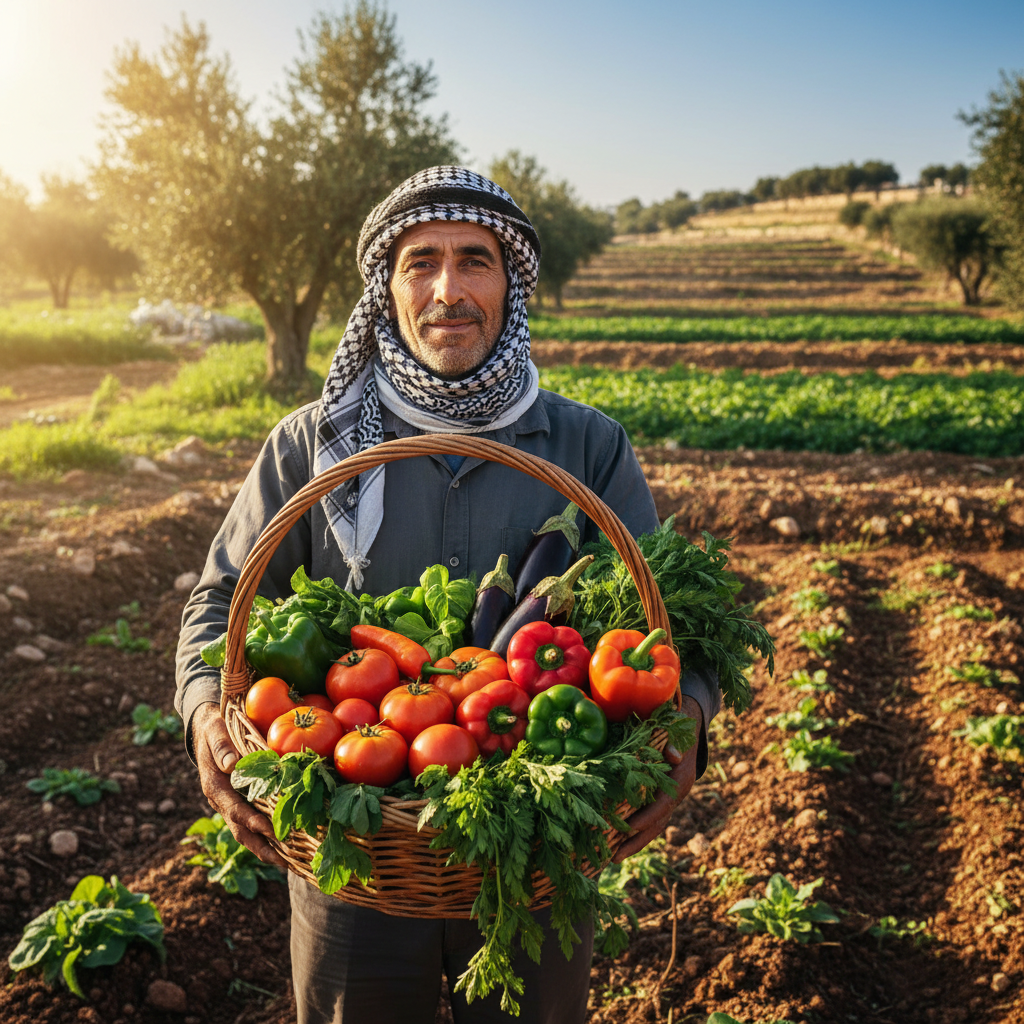
In a world grappling with escalating crises, the stories of human resilience often emerge from the most desperate circumstances. Today, as global attention turns to the dire humanitarian situation in Gaza, an astonishing narrative of hope and proactive environmental stewardship is unfolding. Amidst unprecedented starvation and devastation, local farmers are not just surviving; they are actively working to restore their devastated farmlands, replanting trees, and laying the groundwork for long-term food sovereignty.
TL;DR: Key Facts
- Gaza's local farmers are undertaking ambitious efforts to rehabilitate damaged agricultural land.
- The initiative involves replanting trees and restoring soil fertility, directly addressing environmental degradation.
- These grassroots actions are a direct response to widespread starvation and food insecurity.
- The ultimate goal is to achieve food sovereignty, allowing communities to control their food systems.
- This represents a powerful demonstration of self-reliance and environmental resilience in a profound crisis.
What Happened
The situation in Gaza has reached a critical juncture, with humanitarian organizations warning of widespread famine and an acute lack of essential resources. Amidst this catastrophe, a remarkable and profoundly hopeful movement is taking root. Local farmers, driven by an inherent need for survival and a deep connection to their land, are refusing to succumb to despair. Instead, they are rolling up their sleeves and embarking on a monumental task: the revival of Gaza's agricultural heartland.
Their efforts are not merely about planting a few crops; they encompass a holistic approach to agricultural restoration. Farmers are meticulously working to clear debris from fields, mend damaged irrigation systems, and, crucially, replant trees that have been destroyed. These trees, often fruit-bearing or olive trees, are not only vital for food production but also play a critical role in soil stability, combating desertification, and maintaining local ecosystems. This grassroots movement is a direct, defiant stand against the forces that seek to strip the community of its ability to feed itself.
The overarching ambition behind these laborious efforts is the reclaiming of food sovereignty. In an environment where external aid is often insufficient, delayed, or politically constrained, the ability to grow one's own food becomes the ultimate form of independence and resilience. By restoring their farmland, these farmers are not just securing the next meal; they are rebuilding a sustainable future for their families and communities, proving that even in the face of profound adversity, human ingenuity and environmental stewardship can offer a path forward.
Why It Matters
For GreenNest Living readers, this story resonates deeply with our core values of sustainable living and environmental resilience. The farmers in Gaza are not just surviving; they are actively regenerating their environment under unimaginable pressure. This initiative powerfully illustrates the inherent link between human well-being and ecological health. Replanting trees, for instance, isn't just about future harvests; it's about restoring biodiversity, improving soil quality, regulating microclimates, and fostering a sense of continuity and hope. In a conflict zone where infrastructure is obliterated and environmental degradation is rampant, these farmers are performing an act of profound ecological healing, demonstrating that even in crisis, the principles of regenerative agriculture can be applied to rebuild and sustain life.
This pursuit of food sovereignty is a critical lesson for communities worldwide, especially those grappling with the vulnerabilities of globalized food systems. When supply chains are disrupted by conflict, climate change, or economic instability, the capacity for local food production becomes paramount. Gaza's farmers are demonstrating that true food security comes not from dependence on external aid, but from community control over food systems – from seed to plate. This localized approach minimizes reliance on external inputs, reduces carbon footprints, and ensures culturally appropriate food. It challenges the conventional aid model, advocating instead for empowering communities to cultivate their own sustainable futures, even when the immediate focus is on survival.
Furthermore, this narrative underscores the extraordinary power of agency and community action. It’s a testament to the fact that even when faced with overwhelming odds, human spirit, coupled with a deep understanding of ecological principles, can forge pathways to sustainability. For a magazine dedicated to inspiring a greener, more resilient way of life, Gaza's farmers offer a stark yet inspiring example. Their actions underscore that sustainable living isn't a luxury; it’s a fundamental necessity, a proactive stance against environmental degradation and a blueprint for survival and thriving in the face of escalating global challenges, from climate change to geopolitical instability. It forces us to reflect on our own roles in fostering such resilience, both locally and globally, by supporting similar initiatives that empower communities to control their environmental and food destinies.
What You Can Do
- Support Food Security Initiatives: Research and donate to reputable humanitarian organizations working on long-term food security and agricultural development in conflict-affected regions. Look for groups that focus on empowering local farmers and building resilient food systems, not just emergency aid.
- Learn About Food Sovereignty: Educate yourself on the principles of food sovereignty. Understand how communities around the world are working to regain control over their food systems, from seed saving to local distribution. This knowledge empowers you to advocate for similar approaches in your own community.
- Advocate for Peace and Environmental Protection: Use your voice to advocate for peaceful resolutions in conflict zones and for the protection of environmental resources during hostilities. Support policies that prioritize humanitarian access and the rehabilitation of agricultural lands.
- Support Local, Sustainable Agriculture: Invest in your own local food systems. Purchase produce from local farmers' markets, join a Community Supported Agriculture (CSA) program, or even start a backyard garden. These actions strengthen local food resilience and reduce reliance on fragile global supply chains.
- Reduce Food Waste: Every bit of food waste contributes to the inefficiency of our global food system. By reducing waste at home, composting scraps, and planning meals mindfully, you contribute to a more sustainable planet and ease the demand on resources.
- Share the Story: Spread awareness about the resilience of these farmers and the importance of food sovereignty. Use social media, engage in conversations, and encourage others to learn about and support these vital efforts. Awareness is the first step towards collective action.
FAQs
Q: What is "food sovereignty" and how does it differ from food security?
A: Food sovereignty is the right of peoples to healthy and culturally appropriate food produced through sustainable methods, and their right to define their own food and agriculture systems. It differs from food security, which often focuses on ensuring everyone has enough to eat, by emphasizing control over *how* food is produced and *by whom*.
Q: How can farming continue in a conflict zone like Gaza?
A: Despite immense challenges, dedicated farmers often find ways to cultivate land, sometimes in highly unconventional or dangerous circumstances. This persistence is often driven by a desperate need for survival. Efforts typically focus on resilient crops, small-scale plots, and community-led initiatives, often with limited resources and under constant threat.
Q: What are the long-term benefits of these agricultural restoration efforts?
A: Beyond immediate food provision, these efforts build long-term resilience by restoring ecological balance, improving soil health, and combating desertification. They empower communities, reduce reliance on external aid, strengthen local economies, and preserve traditional agricultural knowledge, laying a foundation for sustainable development post-conflict.
Sources
This article is based on reporting by Food Tank.
Original source
Food Tank
Author, Digital Entrepreneur & AI Creator
More from Food & Environment
- Gardening: A Neurosurgeon's Secret to Longevity & Well-being — May 13, 2026
- Farm to School: Nourishing Kids, Cultivating Community Growth — May 12, 2026
- High-Risk Cheese Outbreak: FDA Alert Amid E. coli Fears — May 11, 2026
- Are Your 'Healthy' Foods Truly Nutritious? New Study Investigates — May 10, 2026
- Australia Battles Food Waste: A Global Sustainability Push — May 9, 2026