Electric Revolution on Wheels: Latin America's Bus Fleet Goes Green
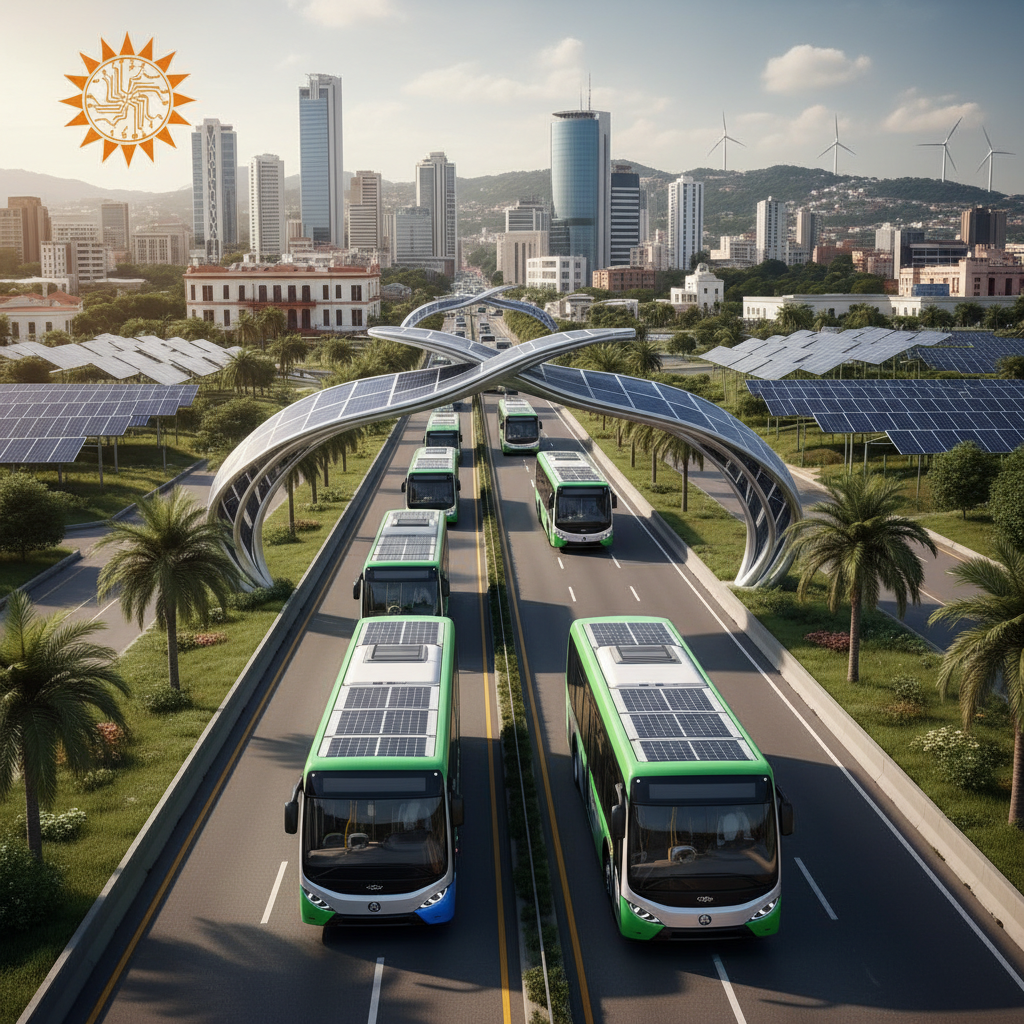
Key Takeaways
- Latin America has over 9,900 operating electric buses, making it a regional leader.
- Public transport electrification is advancing significantly, often overshadowed by personal EV news.
- This trend contributes directly to cleaner urban air, reduced noise, and stronger climate action.
- It highlights the impactful results of municipal and regional sustainability efforts in green infrastructure.
Electric Revolution on Wheels: Latin America's Bus Fleet Goes Green
While much of the buzz around electric vehicles often centers on shiny new cars hitting personal driveways, a quieter, yet profoundly impactful, transformation is unfolding in public transport. Latin America is emerging as a global leader in electrifying its bus fleets, a critical step towards sustainable urban living that deserves our immediate attention.
TL;DR: Key Facts
- Over 9,900 electric buses are now actively operating across Latin America, marking a substantial shift in regional public transportation.
- This significant electrification of bus fleets often goes unnoticed amidst the prevalent focus on personal electric vehicles like cars, e-bikes, and motorcycles.
- The report highlights a growing commitment to green public infrastructure and demonstrates the scalability of electric mobility solutions beyond individual consumer choices.
- This trend positions Latin America as a leader in deploying sustainable urban transport, offering valuable insights for other global regions.
What Happened
CleanTechnica recently highlighted a remarkable milestone in sustainable transportation: over 9,900 electric buses are now operating across Latin America. This impressive figure points to a significant, yet often underreported, advancement in the global push for electrification. While news headlines frequently focus on the personal transportation sector – from electric cars and SUVs to e-bikes and motorcycles – the quiet revolution happening in public transit networks is proving to be a powerful force for change.
The report emphasizes that this growth is not just about numbers; it represents a strategic investment in healthier, cleaner cities. Public transportation serves millions daily, and electrifying these fleets has a direct, immediate impact on urban air quality, noise pollution, and carbon emissions. This regional success story demonstrates a strong commitment from various Latin American nations to embrace green technology as a backbone of their urban infrastructure.
Why It Matters
This surge in electric buses across Latin America is a prime example of green tech making a tangible difference in people's daily lives and the environment, often at a systemic level. For GreenNest Living readers, it illustrates that sustainability isn't solely about individual purchases but also about large-scale infrastructure investments that create collective benefits. Electric buses address several critical environmental and social challenges simultaneously: they drastically reduce tailpipe emissions in dense urban areas, combating air pollution that contributes to respiratory illnesses, and they significantly cut down on urban noise, improving the quality of life for residents.
Furthermore, this trend showcases the maturity and scalability of electric vehicle technology beyond the consumer market. It proves that EVs are not just a luxury item or a niche personal choice but a viable, cost-effective solution for heavy-duty, high-usage applications like public transit. This regional commitment sets an important precedent, demonstrating how policy, urban planning, and technological adoption can converge to accelerate the transition to a sustainable future, offering a blueprint for other cities and regions globally.
It's a powerful reminder that while personal EV adoption is crucial, the electrification of public fleets has a magnified impact, democratizing access to cleaner, more efficient transportation for a broader population, thereby reducing overall carbon footprints and promoting energy independence.
What You Can Do
- Advocate for Electrification: Contact your local government officials and transit authorities to express support for electric bus initiatives and ask about plans for your city's fleet.
- Support Green Infrastructure: Vote for political leaders and policies that prioritize funding for public electric transportation infrastructure and renewable energy sources to power them.
- Utilize Public Transit: Whenever possible, choose electric or low-emission public transportation options to reduce your personal carbon footprint and demonstrate demand for these services.
- Educate Your Community: Share the benefits of electric public buses – cleaner air, quieter streets, lower operational costs – with friends, family, and social networks to build broader support.
- Explore Investment Opportunities: If you're an investor, research companies involved in electric bus manufacturing, battery technology, or charging infrastructure that contribute to sustainable transit solutions.
Ciro's Take
As an environmental advocate, seeing the quiet yet monumental progress in Latin America's electric bus adoption fills me with genuine hope. It's easy to get caught up in the individual consumer choices, but this story underscores the profound impact of collective action and visionary urban planning. When cities prioritize clean public transport, they're not just buying buses; they're investing in the health of their citizens, the vibrancy of their communities, and the long-term sustainability of our planet. This isn't just green tech; it's smart, equitable living, and it shows what's possible when we look beyond personal cars to reimagine our shared urban future.
FAQs
Q: Which countries in Latin America are leading this electric bus trend?
While the report didn't specify individual country numbers, cities like Santiago (Chile), Bogotá (Colombia), and São Paulo (Brazil) have been at the forefront of adopting large electric bus fleets, often being cited as leaders in the region.
Q: What are the main environmental benefits of electric buses compared to traditional diesel buses?
Electric buses produce zero tailpipe emissions, significantly reducing urban air pollution (particulates, NOx) and greenhouse gas emissions. They are also much quieter, reducing noise pollution in cities, and often have lower operating and maintenance costs over their lifespan.
Q: Is this trend sustainable and replicable in other regions globally?
Yes, the trend is highly sustainable and replicable. The success in Latin America demonstrates that with political will, supportive policies, and investment in charging infrastructure, widespread electric bus adoption is achievable, offering a viable model for cities in North America, Europe, Asia, and beyond.
Sources
This article is based on reporting by CleanTechnica.
Original source
CleanTechnica
Author, Digital Entrepreneur & AI Creator
More from Green Tech
- Northeast States Fight to Revive Offshore Wind Power — June 3, 2026
- Underwater Data Centers: Cool Tech, Realistic Expectations — June 2, 2026
- CT Greenlights Plug-In Solar: A Game Changer for Homeowners — May 31, 2026
- Illinois Leads the Way: New Law Curbs Plastic Pellet Pollution — May 30, 2026